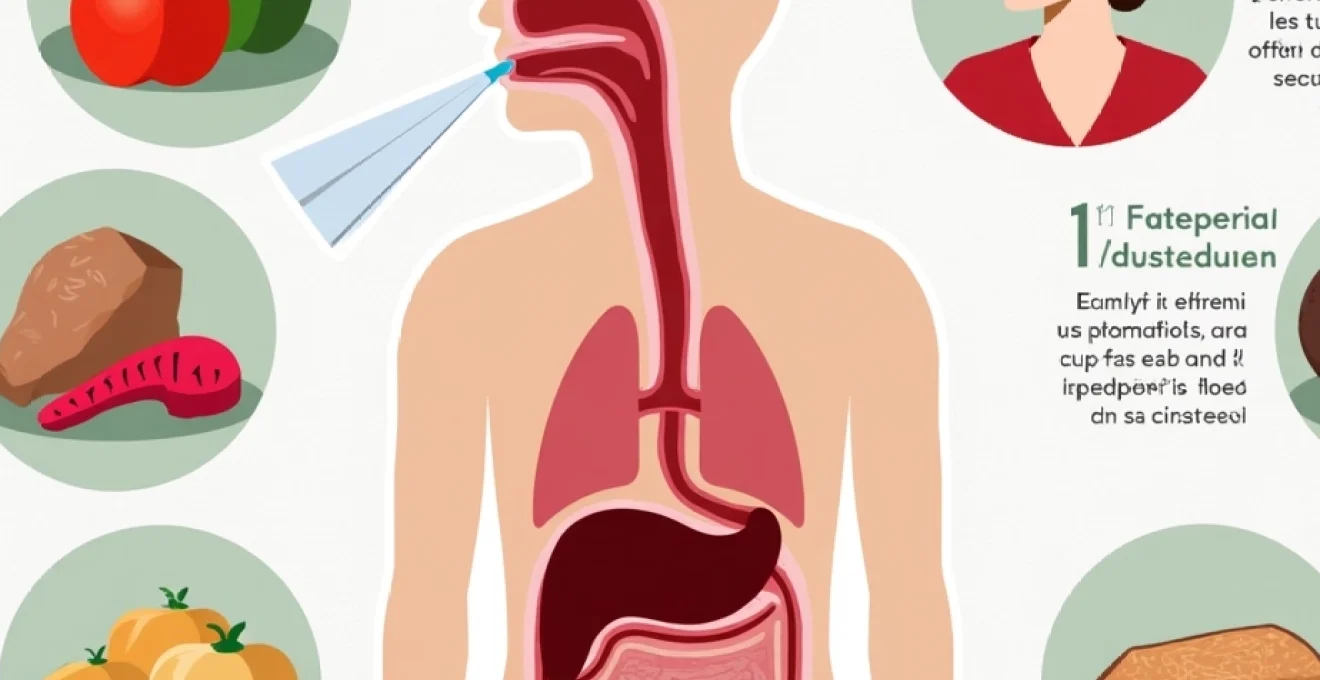
Experiencing severe coughing after meals can be both distressing and disruptive to daily life. This phenomenon affects millions of people worldwide, ranging from occasional mild irritation to persistent, debilitating episodes that interfere with social dining and nutritional intake. Post-prandial coughing, as it’s medically termed, represents a complex symptom that can stem from various underlying pathological processes affecting the respiratory and digestive systems.
The intricate relationship between eating and coughing involves multiple anatomical structures, including the oesophagus, larynx, pharynx, and respiratory tract. When these systems malfunction or become irritated, the body’s natural protective mechanism—coughing—activates to clear potential threats from the airways. Understanding the diverse causes of severe post-meal coughing is crucial for proper diagnosis and effective treatment, as the underlying conditions can range from benign reflux disorders to more serious structural abnormalities requiring immediate medical attention.
Gastroesophageal reflux disease (GERD) and Post-Prandial cough mechanisms
Gastroesophageal reflux disease stands as the most prevalent cause of severe coughing after eating, affecting approximately 20% of the adult population in developed countries. This condition occurs when stomach acid and digestive contents repeatedly flow backward into the oesophagus, creating a cascade of inflammatory responses that can extend well beyond the digestive tract. The pathophysiology involves multiple mechanisms that directly trigger cough reflexes, making GERD a primary consideration in any diagnostic evaluation of post-meal coughing.
The relationship between GERD and coughing becomes particularly pronounced after meals when gastric acid production increases and intra-abdominal pressure rises. During eating, the lower oesophageal sphincter naturally relaxes to allow food passage, creating opportunities for acid reflux. When acidic gastric contents reach the upper oesophagus and potentially the pharynx or larynx, they irritate sensitive mucous membranes equipped with abundant cough receptors. This irritation can persist long after the initial reflux episode, leading to prolonged coughing fits that may seem disproportionate to the triggering meal.
Lower oesophageal sphincter dysfunction and acid reflux triggers
The lower oesophageal sphincter functions as a critical barrier between the stomach and oesophagus, maintaining appropriate pressure gradients to prevent gastric content reflux. When this muscular valve becomes incompetent due to various factors including obesity, pregnancy, hiatal hernia, or certain medications, acid reflux episodes become more frequent and severe. Sphincter dysfunction often worsens after large meals when gastric distension increases pressure against the weakened valve, forcing acidic contents upward into the oesophagus and potentially reaching the respiratory tract.
Specific dietary triggers can exacerbate lower oesophageal sphincter dysfunction, including fatty foods, chocolate, caffeine, alcohol, and carbonated beverages. These substances either directly relax the sphincter muscle or increase gastric acid production, creating ideal conditions for severe post-prandial reflux. The timing of cough onset relative to eating provides valuable diagnostic clues—immediate coughing suggests direct acid contact with upper respiratory structures, whilst delayed coughing may indicate slower acid clearance mechanisms or secondary inflammatory responses.
Laryngopharyngeal reflux (LPR) and vocal cord irritation
Laryngopharyngeal reflux represents a distinct entity where gastric contents reach the larynx, pharynx, and even nasal passages, often without the typical heartburn symptoms associated with classic GERD. This “silent reflux” can cause severe coughing after eating as stomach acid directly contacts highly sensitive laryngeal tissues. The larynx contains numerous sensory nerve endings that immediately trigger protective cough reflexes when exposed to acidic irritants, explaining why LPR-related coughing can be particularly violent and persistent.
The pathophysiology of LPR involves not only direct acid contact but also pepsin activation in alkaline laryngeal environments. Unlike the oesophagus, which has some natural acid resistance, laryngeal tissues are extremely vulnerable to even minimal acid exposure. Studies indicate that LPR can occur with pH levels as high as 5.0 , much less acidic than typical gastric contents, making this condition particularly challenging to diagnose through conventional pH monitoring techniques.
Pepsin-mediated tissue damage in the upper respiratory tract
Pepsin, the primary protein-digesting enzyme in gastric juice, plays a crucial role in LPR-related tissue damage and subsequent coughing. When gastric contents reach the larynx and pharynx, pepsin becomes activated in the relatively alkaline environment of these tissues, causing direct cellular damage and inflammation. This enzymatic activity can persist for hours after the initial reflux episode, explaining why coughing may continue long after eating has concluded.
Research demonstrates that pepsin can be detected in laryngeal tissues of patients with LPR, indicating that this enzyme becomes embedded in respiratory tract mucosa where it continues causing damage. The presence of pepsin triggers inflammatory cascades that sensitise cough receptors, making patients more susceptible to severe coughing episodes triggered by subsequent meals or even non-acidic stimuli. This mechanism helps explain why some individuals experience progressively worsening post-prandial coughing over time as cumulative tissue damage occurs.
Hiatal hernia complications and cough reflex amplification
Hiatal hernias, present in approximately 15% of adults over 50, significantly amplify the risk of severe post-prandial coughing by disrupting normal anatomical relationships between the stomach and oesophagus. When portions of the stomach protrude through the diaphragmatic hiatus into the thoracic cavity, the natural anti-reflux mechanisms become compromised. This anatomical distortion creates a reservoir for acidic contents above the diaphragm, increasing the likelihood of reflux reaching the upper respiratory tract after meals.
Large hiatal hernias can create additional complications including delayed gastric emptying and increased gastro-oesophageal pressure gradients that facilitate reflux. Patients with hiatal hernias often experience more severe coughing after eating compared to those with simple GERD, as the anatomical abnormality makes acid clearance more difficult. The cough reflex may become amplified due to vagal nerve stimulation caused by abnormal stomach positioning within the thoracic cavity, creating a complex interplay between mechanical and chemical irritation.
Oropharyngeal dysphagia and Aspiration-Related cough responses
Oropharyngeal dysphagia encompasses a spectrum of swallowing disorders affecting the mouth, pharynx, and upper oesophageal sphincter, leading to impaired bolus transport and increased aspiration risk. When swallowing coordination becomes disrupted, food particles and liquids can enter the respiratory tract during or immediately after eating, triggering severe protective coughing responses. This condition affects approximately 8% of the global population, with prevalence increasing significantly in elderly individuals and those with neurological conditions.
The complexity of normal swallowing involves precise coordination between over 50 pairs of muscles and multiple cranial nerves, making this process vulnerable to various pathological disruptions. During normal deglutition, the larynx elevates and moves anteriorly whilst the epiglottis tilts backward to protect the airway. Simultaneously, the vocal cords adduct and breathing temporarily ceases to prevent aspiration. When any component of this intricate mechanism fails, severe coughing after eating becomes a predictable consequence as the body attempts to clear aspirated material from the respiratory tract.
Dysphagia-related coughing serves as a critical protective mechanism, but when swallowing disorders become severe, this reflex may become inadequate to prevent aspiration pneumonia and other serious complications.
Silent aspiration and microaspiration events during swallowing
Silent aspiration represents a particularly dangerous form of swallowing dysfunction where food particles or liquids enter the respiratory tract without triggering the normal cough reflex. This phenomenon occurs in up to 40% of patients with oropharyngeal dysphagia and can lead to recurrent respiratory infections and pneumonia. However, many patients with silent aspiration do experience delayed severe coughing after meals as accumulated aspirated material eventually stimulates deeper respiratory tract receptors or triggers inflammatory responses.
Microaspiration events involve minimal quantities of oral secretions, food particles, or liquids entering the respiratory tract—amounts too small to trigger immediate coughing but sufficient to cause cumulative respiratory tract irritation. These microscopic aspiration episodes can occur multiple times during a single meal, leading to progressive airway inflammation that manifests as severe post-prandial coughing. Videofluoroscopic studies reveal that microaspiration occurs in nearly 20% of healthy elderly individuals , highlighting the importance of considering age-related swallowing changes in diagnostic evaluations.
Neurogenic dysphagia from stroke and parkinson’s disease
Neurological conditions significantly increase the risk of severe post-meal coughing through various mechanisms affecting swallowing coordination and respiratory protection. Stroke patients experience dysphagia in approximately 50% of cases, with severity correlating directly with the frequency and intensity of post-prandial coughing episodes. The location of cerebrovascular damage determines specific swallowing deficits—cortical strokes typically affect voluntary swallowing initiation, whilst brainstem strokes disrupt automatic protective reflexes including cough responses.
Parkinson’s disease creates unique challenges for swallowing and cough production due to progressive deterioration of motor control and coordination. Patients with Parkinson’s often develop reduced tongue mobility, delayed swallowing initiation, and weakened cough reflexes, creating a perfect storm for severe post-eating coughing. The disease’s characteristic bradykinesia affects not only swallowing speed but also the ability to generate effective cough responses, potentially leading to more severe and prolonged coughing episodes as the body struggles to clear aspirated material.
Zenker’s diverticulum and food particle retention
Zenker’s diverticulum, a posterior pharyngeal pouch that develops due to increased pressure during swallowing, creates a reservoir where food particles and secretions can accumulate and subsequently regurgitate. This anatomical abnormality affects primarily elderly individuals and can cause severe coughing after eating as retained food material either spills over into the larynx or triggers reflex coughing when regurgitated. The diverticulum typically enlarges over time, making symptoms progressively worse and increasing the risk of aspiration pneumonia.
Food retention within Zenker’s diverticulum can persist for hours or even days after eating, leading to delayed severe coughing episodes that may seem unrelated to recent meals. The stagnant food material often undergoes bacterial fermentation, creating additional irritants that can trigger intense coughing when regurgitated. Patients frequently report that certain food textures , particularly sticky or fibrous items, exacerbate symptoms by becoming trapped more easily within the diverticular pouch.
Cricopharyngeal muscle dysfunction and bolus clearance issues
The cricopharyngeal muscle functions as the upper oesophageal sphincter, coordinating the transition between pharyngeal and oesophageal phases of swallowing. When this muscle becomes hypertonic, fails to relax appropriately, or develops fibrotic changes, bolus clearance becomes impaired, leading to pharyngeal residue that can trigger severe coughing. Cricopharyngeal dysfunction often develops secondary to neurological conditions, radiation therapy, or age-related muscle changes, making it particularly common in elderly patients.
Incomplete cricopharyngeal relaxation creates a functional obstruction at the pharyngoesophageal junction, forcing swallowed material to accumulate in the pharynx where it can easily spill into the laryngeal inlet. This mechanism explains why patients with cricopharyngeal dysfunction often experience severe coughing immediately after swallowing, particularly with liquid consistencies that flow more readily into the respiratory tract. The timing and severity of coughing provide valuable diagnostic information about the specific nature of the swallowing dysfunction.
Food-specific allergic reactions and eosinophilic oesophagitis
Food allergies represent a significant cause of severe post-prandial coughing, affecting approximately 8% of children and 4% of adults globally. These immune-mediated reactions can range from mild respiratory irritation to life-threatening anaphylaxis, with coughing often serving as an early warning sign of systemic allergic responses. The pathophysiology involves IgE-mediated degranulation of mast cells and basophils, releasing inflammatory mediators that directly affect respiratory tract function and trigger protective cough reflexes.
Eosinophilic oesophagitis has emerged as an increasingly recognised cause of severe coughing after eating, particularly in patients with concurrent asthma or atopic conditions. This chronic inflammatory disorder involves eosinophil infiltration of oesophageal tissues in response to food allergens, creating persistent inflammation that can extend to adjacent respiratory structures. Unlike classic food allergies, eosinophilic oesophagitis typically causes delayed reactions that may not become apparent until hours after eating, making diagnostic connections more challenging to establish.
The increasing prevalence of food allergies and eosinophilic oesophagitis in developed countries suggests that environmental and dietary factors play crucial roles in the development of post-prandial coughing syndromes.
Ige-mediated food allergies and immediate hypersensitivity responses
IgE-mediated food allergies trigger immediate hypersensitivity reactions that can cause severe coughing within minutes of allergen exposure. The most common culprits include milk, eggs, peanuts, tree nuts, shellfish, fish, soy, and wheat, though any food protein can potentially trigger allergic reactions. When specific IgE antibodies encounter their corresponding allergens, they initiate rapid degranulation of mast cells located throughout the respiratory tract, releasing histamine, leukotrienes, and other inflammatory mediators that cause bronchospasm, mucus hypersecretion, and severe coughing.
The severity of allergic coughing can escalate rapidly from mild throat irritation to severe bronchospasm and respiratory distress. Biphasic allergic reactions occur in approximately 20% of severe cases , where initial symptoms subside only to recur several hours later with potentially greater severity. This pattern emphasises the importance of continued medical observation for patients experiencing severe post-prandial coughing suspected to be allergic in nature, as delayed reactions can be more dangerous than initial presentations.
Eosinophilic oesophagitis triggers and inflammatory cascades
Eosinophilic oesophagitis involves complex inflammatory cascades triggered by both food allergens and environmental factors, leading to eosinophil infiltration of oesophageal tissues that can exceed 15 cells per high-power field. Common trigger foods include milk, wheat, eggs, and soy, though individual patients may react to multiple allergens simultaneously. The inflammatory process involves Th2-mediated immune responses with elevated IL-4, IL-5, and IL-13 levels, creating a chronic inflammatory state that makes the oesophagus hypersensitive to various stimuli.
The relationship between eosinophilic oesophagitis and severe coughing involves both direct oesophageal irritation and referred respiratory symptoms. Eosinophil-derived inflammatory mediators can sensitise vagal afferent nerves that innervate both the oesophagus and respiratory tract, creating cross-sensitisation effects that amplify cough responses. Patients often report that specific food textures or temperatures exacerbate symptoms, suggesting that mechanical factors interact with underlying inflammation to trigger severe coughing episodes.
Cross-reactive food proteins and oral allergy syndrome
Oral allergy syndrome, also known as pollen-food allergy syndrome, affects individuals with environmental pollen allergies who develop cross-reactive responses to structurally similar proteins in certain foods. This condition can cause severe coughing after eating raw fruits, vegetables, or nuts that contain proteins resembling pollen allergens. Common cross-reactions include birch pollen with apples, cherries, and hazelnuts; ragweed with melons and bananas; and grass pollens with tomatoes and potatoes.
The mechanism involves IgE antibodies originally developed against pollen proteins that cross-react with homologous food proteins, triggering localised allergic reactions in the oral cavity and upper respiratory tract. Cooking typically denatures the cross-reactive proteins , explaining why patients with oral allergy syndrome often tolerate cooked versions of problematic foods better
than raw versions. The severity of coughing varies depending on the degree of cross-reactivity and individual immune sensitivity, with some patients experiencing only mild throat irritation whilst others develop severe respiratory symptoms requiring emergency treatment.
Histamine release mechanisms and respiratory tract inflammation
Histamine release during allergic reactions plays a central role in triggering severe post-prandial coughing through multiple physiological pathways. When food allergens bind to specific IgE antibodies on mast cell surfaces, rapid degranulation occurs, releasing preformed histamine along with newly synthesised inflammatory mediators. This histamine directly stimulates H1 receptors in respiratory tract smooth muscle, causing bronchoconstriction and increased mucus production that triggers protective cough reflexes. The response can be immediate and severe, particularly in individuals with concurrent asthma or reactive airway disease.
The inflammatory cascade extends beyond simple histamine release to include leukotriene and prostaglandin production, creating sustained respiratory tract inflammation that can persist for hours after the initial allergic trigger. Leukotriene C4 is particularly potent in causing bronchospasm, often requiring specific leukotriene receptor antagonists for effective treatment. Secondary inflammatory responses involving eosinophils and neutrophils can develop, creating a biphasic pattern where initial coughing subsides only to return with greater intensity as cellular infiltration occurs. This mechanism explains why some patients experience delayed severe coughing several hours after eating apparently tolerated foods.
Anatomical abnormalities and structural causes of post-meal coughing
Structural abnormalities within the upper aerodigestive tract can create mechanical conditions that predispose individuals to severe coughing after eating. These anatomical variants may be congenital or acquired, ranging from subtle functional impairments to obvious structural deformities that significantly impact swallowing safety and respiratory protection. Conditions such as vocal cord paralysis, laryngeal webs, subglottic stenosis, and pharyngeal pouches can all contribute to post-prandial coughing through different mechanisms involving impaired airway protection or abnormal bolus flow patterns.
Tracheoesophageal fistulas represent a particularly serious anatomical abnormality where abnormal communications exist between the respiratory and digestive tracts. These connections, whether congenital or acquired through trauma or malignancy, allow direct passage of ingested material into the respiratory system, causing immediate and severe coughing with eating. Acquired fistulas may develop gradually, initially causing mild symptoms that progressively worsen as the communication enlarges. Radiation-induced fistulas occur in approximately 5% of patients receiving high-dose radiation therapy for head and neck cancers, often developing months or years after treatment completion.
Laryngeal stenosis, whether involving the supraglottis, glottis, or subglottis, can impair normal respiratory protection during swallowing and create turbulent airflow patterns that trigger cough reflexes. The stenotic area acts as a functional obstruction that alters normal pressure relationships between the respiratory and digestive tracts during swallowing. This mechanical disruption can cause aspirated material to become trapped above the stenotic segment, leading to persistent coughing as the body attempts to clear the obstructed airway. Progressive stenosis often results in escalating severity of post-prandial symptoms as the effective airway diameter decreases over time.
Medication-induced cough and drug-food interactions
Medication-induced cough represents an underrecognised cause of severe post-prandial coughing, particularly when drug-food interactions amplify cough-inducing effects. Angiotensin-converting enzyme (ACE) inhibitors cause chronic cough in approximately 15% of users through mechanisms involving bradykinin accumulation and substance P sensitisation of cough receptors. When combined with certain foods or taken in temporal proximity to meals, these effects can be significantly magnified, creating severe coughing episodes that patients may mistakenly attribute to food-related causes rather than medication effects.
The timing of medication administration relative to meals can dramatically influence cough severity and frequency. Medications that cause gastric irritation, such as non-steroidal anti-inflammatory drugs (NSAIDs), bisphosphonates, or certain antibiotics, may trigger reflux-mediated coughing when taken with food. Conversely, some medications require food for optimal absorption but can cause direct mucosal irritation that manifests as post-meal coughing. Alendronate and other bisphosphonates must be taken on an empty stomach but can cause severe oesophageal irritation if patients eat too soon after dosing, leading to delayed but severe coughing episodes.
Drug metabolism can also be significantly altered by food interactions, potentially affecting serum levels of medications that influence cough thresholds. Theophylline levels can fluctuate dramatically based on dietary factors, with high-fat meals potentially causing toxic levels that manifest as increased cough sensitivity and severity. Similarly, warfarin interactions with vitamin K-rich foods can affect anticoagulation status, potentially increasing bleeding risk in respiratory tract tissues sensitised by chronic coughing. These complex interactions emphasise the importance of comprehensive medication reviews in patients presenting with severe post-prandial coughing, particularly when symptoms develop or worsen after medication changes.
Diagnostic approaches and clinical assessment protocols
Comprehensive evaluation of severe post-prandial coughing requires systematic assessment protocols that consider the multifactorial nature of this symptom complex. Initial diagnostic approaches should begin with detailed symptom characterisation, including timing relationships to meals, food-specific triggers, associated symptoms, and response to therapeutic interventions. A structured clinical history must explore medication use, underlying medical conditions, previous surgical procedures, and environmental exposures that might contribute to cough development. Physical examination should focus on upper aerodigestive tract assessment, including laryngeal function, swallowing coordination, and respiratory tract evaluation.
Instrumental diagnostic procedures play crucial roles in identifying specific causative mechanisms underlying severe post-meal coughing. Videofluoroscopic swallowing studies (VFSS) provide dynamic assessment of swallowing function, revealing aspiration events, pharyngeal residue, and structural abnormalities that may not be apparent on static imaging. Flexible endoscopic evaluation of swallowing (FEES) offers direct visualisation of laryngeal and pharyngeal structures during swallowing, allowing real-time assessment of airway protection mechanisms and identification of anatomical variants contributing to symptoms. Combined VFSS and FEES approaches provide complementary information that significantly improves diagnostic accuracy compared to either method alone.
Ambulatory pH monitoring remains the gold standard for diagnosing gastroesophageal reflux disease and laryngopharyngeal reflux, though newer impedance-pH systems provide enhanced sensitivity for detecting non-acidic reflux events. These studies should ideally be performed whilst patients consume their typical diet to capture real-world reflux patterns associated with symptomatic episodes. High-resolution oesophageal manometry can identify motility disorders that predispose to reflux or impair oesophageal clearance mechanisms, whilst CT imaging may reveal structural abnormalities such as hiatal hernias, masses, or anatomical variants contributing to symptoms. Allergological evaluation, including skin prick tests, serum IgE measurements, and food challenge procedures, becomes essential when food-specific triggers are suspected based on clinical history.