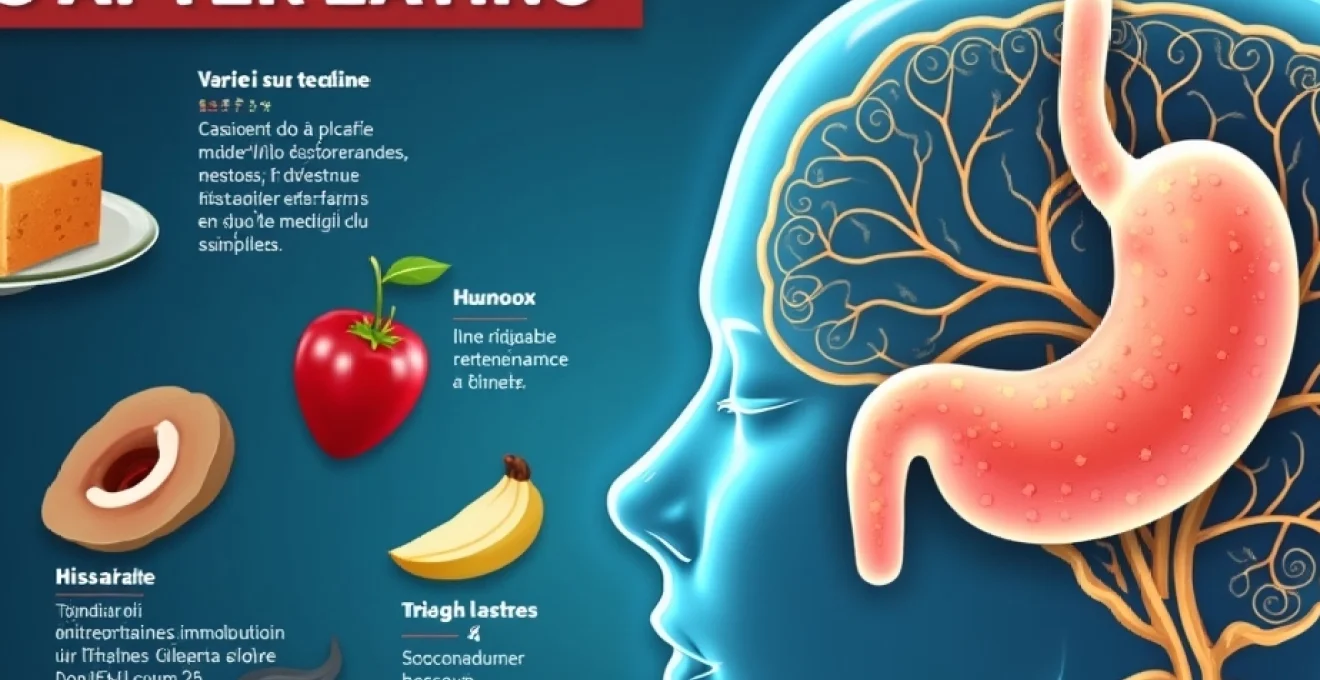
Experiencing tingling sensations throughout your body after eating can be both perplexing and concerning. This phenomenon, medically termed post-prandial paraesthesia, affects individuals across various demographics and can stem from multiple physiological mechanisms. Understanding these sensations requires examining the complex interplay between your digestive system, nervous system, and immune responses that occur during and after food consumption.
The human body’s response to food intake involves intricate neurological pathways, hormonal cascades, and potential allergen interactions that can manifest as tingling, numbness, or other sensory disturbances. While some post-meal tingling may be harmless and temporary, certain instances warrant immediate medical attention, particularly when accompanied by difficulty breathing, facial swelling, or cardiovascular symptoms.
Neurological mechanisms behind Post-Meal paraesthesia and sensory responses
The neurological foundation of post-meal tingling involves complex interactions between your autonomic nervous system and digestive processes. When you consume food, your body initiates a sophisticated cascade of neural responses designed to optimise digestion and nutrient absorption. These responses can sometimes produce unexpected sensory phenomena that extend beyond the gastrointestinal tract.
Vagus nerve stimulation and Gastrointestinal-Neural pathways
The vagus nerve, your body’s longest cranial nerve, plays a pivotal role in post-meal sensory experiences. This extensive neural pathway connects your brainstem to various organs throughout your thoracic and abdominal cavities, including your stomach, intestines, and heart. When food enters your digestive system, vagal stimulation increases dramatically to coordinate digestive secretions and gut motility.
This heightened vagal activity can produce sensations that radiate throughout your body, manifesting as tingling in your extremities or generalised paraesthesia. The phenomenon occurs because the vagus nerve influences not only digestive function but also heart rate variability, inflammatory responses, and peripheral circulation patterns. Some individuals experience heightened sensitivity to these vagal responses, particularly those with underlying autonomic dysfunction or heightened stress responses.
Histamine release patterns during digestive processes
Your digestive system contains numerous histamine-producing cells, particularly mast cells and enterochromaffin-like cells, which release histamine as part of normal digestive function. This histamine release serves essential roles in gastric acid production and intestinal motility regulation. However, some individuals experience exaggerated histamine responses that can trigger systemic sensations including tingling, flushing, or generalised discomfort.
The magnitude of histamine release varies significantly based on food composition, individual sensitivity levels, and concurrent medications. Foods rich in natural histamine or those that trigger endogenous histamine release can overwhelm your body’s degradation capacity, leading to temporary histamine accumulation. This accumulation affects peripheral nerve function and can produce the characteristic tingling sensations many individuals report after eating.
Serotonin production in enterochromaffin cells and systemic effects
Your gastrointestinal tract produces approximately 90% of your body’s serotonin through specialised enterochromaffin cells lining the intestinal walls. Food intake stimulates these cells to release substantial quantities of serotonin, which serves multiple physiological functions beyond mood regulation. This gut-derived serotonin influences peripheral nerve sensitivity, vascular tone, and sensory processing pathways.
Excessive serotonin release or impaired serotonin metabolism can produce systemic effects including paraesthesia, particularly in individuals with compromised serotonin transport mechanisms. The interplay between dietary tryptophan availability, gut microbiome composition, and enterochromaffin cell responsiveness creates individual variations in post-meal serotonin responses, explaining why some people consistently experience tingling after eating whilst others remain unaffected.
Trigeminal nerve activation through gustatory stimuli
The trigeminal nerve system responds to various gustatory and thermal stimuli present in food, potentially contributing to post-meal tingling sensations. This cranial nerve network detects mechanical, thermal, and chemical stimuli within your oral cavity and can produce referred sensations throughout your head, neck, and even upper extremities. Certain foods contain compounds that intensely stimulate trigeminal pathways, creating lingering sensory effects that persist after swallowing.
Spicy foods, carbonated beverages, and temperature extremes can create prolonged trigeminal activation patterns that manifest as tingling or numbness. The phenomenon becomes more pronounced when consuming foods containing menthol, capsaicin, or other vanilloid receptor agonists that directly interact with pain and temperature sensing pathways.
Food allergy and intolerance manifestations causing cutaneous sensations
Food allergies and intolerances represent significant causes of post-meal tingling, ranging from mild sensory disturbances to life-threatening systemic reactions. Understanding the distinction between true allergic responses and food intolerances helps determine appropriate management strategies and urgency of medical intervention.
Ige-mediated hypersensitivity reactions and dermal symptoms
True food allergies involve IgE antibody-mediated immune responses that can produce rapid-onset systemic symptoms including cutaneous tingling, urticaria, and potentially life-threatening anaphylaxis. These reactions typically occur within minutes to two hours after consuming trigger foods, with severity varying considerably between individuals and exposure incidents.
The most common allergenic foods include shellfish, tree nuts, peanuts, eggs, milk, soy, wheat, and fish, though virtually any protein can potentially trigger allergic responses. IgE-mediated reactions cause mast cell degranulation throughout your body, releasing histamine, leukotrienes, and other inflammatory mediators that directly affect peripheral nerve function and vascular permeability.
Early allergic symptoms often include perioral tingling, lip swelling, and generalised skin sensations that may progress to more severe manifestations. Recognising these initial sensory symptoms as potential harbingers of serious allergic reactions enables prompt intervention with antihistamines or epinephrine when indicated.
Oral allergy syndrome Cross-Reactivity with environmental allergens
Oral allergy syndrome represents a specific form of food allergy characterised by cross-reactivity between environmental pollens and structurally similar proteins found in certain fruits, vegetables, and nuts. This phenomenon affects individuals with established seasonal allergies, particularly those sensitive to birch, ragweed, or grass pollens.
Common trigger foods include apples, cherries, carrots, celery, melons, and various tree nuts, depending on your specific pollen sensitivities. The reaction typically produces localised tingling and itching confined to your mouth and throat, though some individuals experience more widespread sensory disturbances. Cooking or processing these foods often eliminates the allergenic proteins, making cooked versions tolerable whilst raw forms trigger symptoms.
Lactose intolerance systemic inflammatory response patterns
Lactose intolerance, affecting approximately 65% of adults worldwide, can produce unexpected systemic symptoms beyond typical gastrointestinal complaints. When undigested lactose reaches your colon, bacterial fermentation produces various metabolites and inflammatory mediators that can affect peripheral nerve function and systemic comfort levels.
The inflammatory cascade associated with lactose maldigestion sometimes produces generalised malaise, headaches, and even mild tingling sensations, particularly during episodes of acute lactose overload. These systemic effects reflect the interconnected nature of gut health and neurological function, emphasising how digestive disturbances can manifest as seemingly unrelated sensory phenomena.
Scombrotoxin poisoning from Histamine-Rich fish species
Scombrotoxin poisoning, also known as histamine fish poisoning, occurs when consuming fish with elevated histamine levels due to bacterial decomposition. This condition primarily affects dark-fleshed fish species including tuna, mackerel, sardines, and anchovies that have been improperly stored or handled.
Symptoms develop rapidly after consumption and include facial flushing, tingling sensations, headache, and gastrointestinal distress. The tingling typically begins around your mouth and face before potentially spreading to other areas. Unlike true fish allergies, scombrotoxin poisoning represents a toxic reaction that can affect anyone consuming contaminated fish, regardless of previous fish tolerance.
Monosodium glutamate sensitivity and neurological symptom clusters
Monosodium glutamate (MSG) sensitivity remains a controversial topic within medical literature, though some individuals report consistent symptoms following MSG consumption. These symptoms can include tingling sensations, particularly around the face and neck, accompanied by headaches, flushing, and generalised discomfort.
MSG-sensitive individuals often describe a characteristic pattern of symptoms beginning 10-30 minutes after consuming foods containing significant MSG quantities. The proposed mechanism involves glutamate receptor activation in peripheral tissues, though definitive scientific evidence remains limited. Common sources include processed foods, restaurant meals, and certain Asian cuisines that traditionally employ MSG as a flavour enhancer.
Specific dietary compounds triggering somatic sensory disturbances
Beyond allergies and intolerances, various naturally occurring compounds and food additives can directly stimulate sensory pathways, producing tingling or other paraesthetic sensations. Understanding these mechanisms helps distinguish between pathological reactions and normal physiological responses to bioactive food components.
Capsaicin receptor activation and TRPV1 channel response
Capsaicin, the active compound responsible for chilli pepper heat, directly activates TRPV1 channels (vanilloid receptors) throughout your nervous system. These receptors detect heat, pH changes, and various chemical irritants, producing the characteristic burning sensation associated with spicy foods. However, capsaicin’s effects extend beyond immediate oral sensations.
Systemic capsaicin exposure can produce widespread tingling, particularly in individuals consuming large quantities or those with heightened TRPV1 sensitivity. The compound’s ability to cross cellular membranes and interact with peripheral nerve endings explains why some people experience generalised sensory effects after eating particularly spicy meals. These sensations typically resolve within 30-60 minutes as capsaicin levels decline.
Tyramine-induced vasoactive effects in aged cheese and fermented foods
Tyramine, a biogenic amine formed during protein fermentation, accumulates in aged cheeses, cured meats, fermented beverages, and other preserved foods. This compound possesses potent vasoactive properties, influencing blood pressure regulation and vascular tone throughout your body.
Individuals with reduced monoamine oxidase activity or those taking certain medications may experience exaggerated responses to tyramine consumption. These responses can include tingling sensations, particularly in the head and neck regions, accompanied by flushing, headaches, or palpitations. The severity depends on tyramine concentration, individual metabolism rates, and concurrent medication use.
Salicylate sensitivity from natural food sources and additives
Salicylates occur naturally in numerous fruits, vegetables, herbs, and spices, whilst also serving as preservatives in processed foods. Some individuals develop sensitivity to these compounds, experiencing various symptoms including tingling sensations, particularly affecting the mouth, face, and extremities.
High-salicylate foods include berries, stone fruits, leafy greens, herbs, spices, and certain beverages like tea and wine. Salicylate-sensitive individuals often notice symptom patterns correlating with their intake of these foods, though symptoms may be delayed by several hours. The mechanism involves interference with inflammatory pathways and potential effects on nerve membrane stability.
Theobromine and Caffeine-Mediated adrenergic stimulation
Methylxanthines, including caffeine and theobromine found in chocolate, coffee, and tea, stimulate your sympathetic nervous system and can produce various sensory phenomena. These compounds block adenosine receptors whilst enhancing catecholamine activity, potentially resulting in tingling sensations, particularly in sensitive individuals.
The effects become more pronounced with higher doses or in individuals with reduced methylxanthine metabolism. Chocolate consumption can be particularly problematic due to the combined presence of theobromine, caffeine, and other bioactive compounds that synergistically affect nervous system function. These sensations typically correlate with peak blood levels occurring 30-120 minutes after consumption.
Underlying medical conditions associated with Post-Prandial tingling
Several medical conditions can predispose individuals to experiencing tingling sensations after eating. These conditions often involve underlying metabolic, neurological, or vascular abnormalities that become more apparent during the postprandial state when physiological demands increase.
Idiopathic postprandial syndrome (IPS) represents one such condition where individuals experience hypoglycaemia-like symptoms, including tingling and shakiness, despite maintaining normal blood glucose levels after eating. This condition affects the body’s glucose regulation mechanisms and can produce various neurological symptoms that mimic hypoglycaemia. The syndrome appears more common in individuals consuming high-carbohydrate meals and may relate to exaggerated insulin responses or altered glucose sensing mechanisms.
Diabetes mellitus and prediabetes can significantly influence post-meal sensory experiences through multiple mechanisms. Fluctuating blood glucose levels, particularly rapid changes following carbohydrate consumption, can affect peripheral nerve function and produce tingling sensations. Additionally, diabetic neuropathy, affecting up to 50% of diabetic patients, can become more symptomatic during periods of metabolic stress such as post-meal glucose spikes.
Peripheral neuropathy symptoms can be exacerbated by dietary choices, with high-sugar and processed carbohydrate consumption contributing to nerve inflammation and sensory disturbances.
Cardiovascular conditions, including hypertension and cardiac arrhythmias, may manifest with increased symptoms during the postprandial period. The physiological demands of digestion can unmask underlying cardiovascular instability, potentially producing tingling sensations related to altered circulation patterns or cardiac rhythm disturbances. These symptoms warrant careful evaluation, particularly when accompanied by chest discomfort or palpitations.
Autoimmune conditions such as multiple sclerosis, systemic lupus erythematosus, or Sjögren’s syndrome can produce fluctuating neurological symptoms that may worsen after eating due to inflammatory responses or metabolic demands. The relationship between food intake and symptom exacerbation in autoimmune conditions often involves complex interactions between dietary antigens, immune system activation, and pre-existing tissue inflammation.
Diagnostic approaches and clinical assessment protocols
Proper evaluation of post-meal tingling requires systematic assessment to identify underlying causes and exclude serious medical conditions. Healthcare providers typically begin with detailed symptom characterisation, including timing, distribution, severity, and associated symptoms that accompany the tingling episodes.
Food diary maintenance represents a crucial diagnostic tool, enabling identification of potential trigger foods and symptom patterns. Detailed records should include specific foods consumed, quantities, preparation methods, timing of symptom onset, and duration of episodes. This information helps distinguish between allergic reactions, food intolerances, and other dietary sensitivities.
Laboratory investigations may include complete blood count, comprehensive metabolic panel, vitamin B12 levels, thyroid function tests, and inflammatory markers to assess for underlying metabolic or nutritional deficiencies. Specific allergy testing through skin prick tests or serum IgE measurements can identify food allergies, whilst additional testing may explore autoimmune markers or specialised metabolic assessments.
Elimination diets, conducted under medical supervision, can help identify problematic foods through systematic removal and reintroduction protocols. These approaches require careful planning to ensure nutritional adequacy whilst maximising diagnostic yield. The process typically spans several weeks and requires meticulous documentation of symptoms and dietary changes.
Specialised testing may include glucose tolerance tests for suspected postprandial syndrome, electrophysiological studies for peripheral neuropathy assessment, or cardiac monitoring if cardiovascular causes are suspected. The diagnostic approach should be tailored to individual symptom patterns and risk factors, avoiding unnecessary testing whilst ensuring comprehensive evaluation of serious conditions.
Management strategies and therapeutic interventions for Food-Related paraesthesia
Treatment strategies for post-meal tingling depend entirely on the underlying cause identified through proper diagnostic evaluation. For individuals with confirmed food allergies, strict allergen avoidance remains the cornerstone of management, supported by emergency preparedness including antihistamine medications and epinephrine auto-injectors when indicated.
Dietary modifications form the foundation of management for many conditions causing post-meal tingling. These modifications may include reducing processed carbohydrates
and high-sugar foods to stabilise blood glucose levels, implementing smaller frequent meals to minimise postprandial stress, and emphasising whole foods rich in anti-inflammatory compounds. For those with idiopathic postprandial syndrome, dietary strategies focus on consuming high-fibre foods, lean proteins, and healthy fats whilst avoiding refined carbohydrates that trigger exaggerated glucose responses.
Nutritional supplementation may provide therapeutic benefits for individuals with underlying deficiencies contributing to post-meal tingling. Vitamin B12 supplementation proves essential for those with documented deficiencies, particularly individuals following plant-based diets or those with absorption disorders. Similarly, addressing vitamin B1, B6, and vitamin E deficiencies through targeted supplementation can improve peripheral nerve function and reduce sensory disturbances.
For histamine-related reactions, implementing a low-histamine diet alongside antihistamine medications may provide symptom relief. This approach involves avoiding aged cheeses, fermented foods, processed meats, and certain fish species whilst emphasising fresh, minimally processed alternatives. Some individuals benefit from diamine oxidase supplementation, which enhances histamine degradation capacity and reduces symptom severity.
Pharmaceutical interventions may become necessary for individuals with severe symptoms or underlying medical conditions. Alpha-glucosidase inhibitors, traditionally used for diabetes management, show promise in treating idiopathic postprandial syndrome by slowing carbohydrate absorption and moderating glucose responses. Antihistamines, including both H1 and H2 receptor antagonists, can effectively manage allergic and histamine-mediated reactions when used appropriately.
Stress management techniques deserve consideration given the significant influence of psychological factors on digestive function and sensory processing. Regular exercise, meditation, and adequate sleep hygiene can improve autonomic nervous system balance and reduce the likelihood of experiencing post-meal sensory disturbances. These lifestyle modifications work synergistically with dietary changes to optimise overall neurological function.
Emergency preparedness remains crucial for individuals with known food allergies, including maintaining current epinephrine auto-injectors and establishing clear action plans for severe reactions.
Long-term monitoring and follow-up care ensure treatment effectiveness and enable adjustments based on symptom evolution or life circumstances changes. Regular consultations with healthcare providers facilitate ongoing assessment of underlying conditions and medication adjustments when necessary. This collaborative approach maximises therapeutic outcomes whilst minimising potential complications from untreated or inadequately managed conditions causing post-meal paraesthesia.
The prognosis for individuals experiencing food-related tingling varies considerably depending on the underlying cause and treatment adherence. Those with clearly identified food allergies or intolerances typically achieve excellent symptom control through appropriate dietary modifications. However, individuals with complex underlying medical conditions may require ongoing management strategies and periodic treatment adjustments to maintain optimal comfort and neurological function.