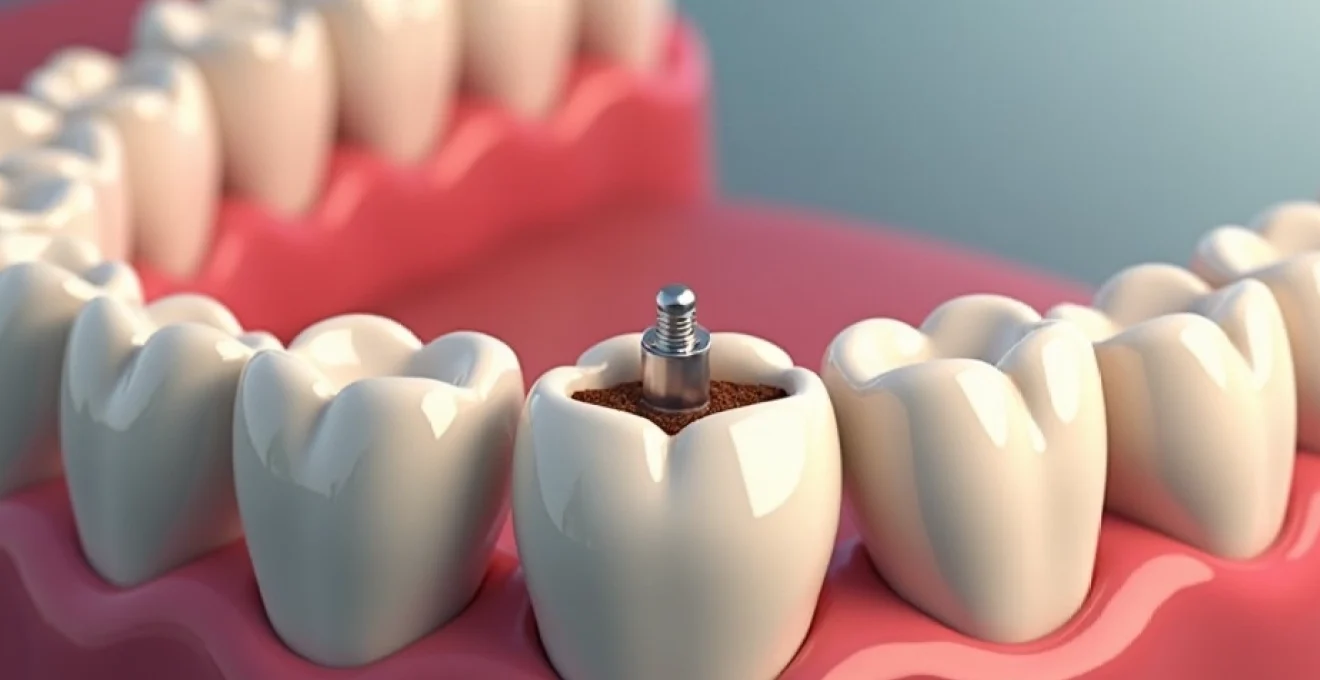
When most people think of dental injuries, they typically envision cracked crowns, knocked-out teeth, or painful cavities. However, there’s a lesser-known type of dental trauma that can be just as concerning: tooth bruising. This condition, medically termed dental contusion or periodontal ligament injury, affects thousands of individuals annually yet remains poorly understood by the general public.
Tooth bruising occurs when the supporting structures around a tooth sustain damage from external forces, creating inflammation and discomfort that can persist for weeks if left untreated. Unlike visible dental fractures, these injuries often remain hidden beneath the surface, making proper diagnosis and treatment crucial for maintaining long-term oral health. Understanding the mechanisms behind dental contusions can help you recognise symptoms early and seek appropriate professional care when necessary.
Understanding dental trauma and periodontal ligament injuries
Dental trauma encompasses a broad spectrum of injuries affecting the teeth, supporting structures, and surrounding oral tissues. When examining the question “can teeth be bruised?”, it’s essential to understand that teeth themselves don’t bruise in the traditional sense. Instead, the periodontal ligament—a complex network of connective tissue fibres that anchors each tooth within its bony socket—sustains the actual injury.
The periodontal ligament serves as a crucial shock absorber, distributing forces from biting and chewing across the tooth root and surrounding alveolar bone. When excessive force is applied, whether through trauma, grinding, or orthodontic movement, this ligament can become inflamed, stretched, or partially torn. This inflammatory response creates the symptoms commonly associated with a “bruised tooth,” including tenderness, mobility, and discomfort during mastication.
Periodontal ligament structure and function in tooth support
The periodontal ligament consists of specialised collagen fibres arranged in distinct groups, each serving specific biomechanical functions. These fibres—including the alveolar crest, horizontal, oblique, and apical groups—create a sophisticated suspension system that allows for slight tooth movement whilst maintaining stability. The ligament space typically measures between 0.15 and 0.38 millimetres, containing blood vessels, nerve fibres, and cellular elements essential for tooth vitality.
When trauma occurs, the periodontal ligament undergoes immediate inflammatory changes. Blood vessels may rupture, leading to localised haemorrhage and oedema within the confined ligament space. This process triggers the release of inflammatory mediators, including prostaglandins and cytokines, which sensitise nerve endings and create the characteristic pain associated with dental contusions.
Classification of dental trauma using andreasen’s international guidelines
Modern dental traumatology relies heavily on Andreasen’s classification system, which categorises injuries based on the anatomical structures affected and the severity of damage. Dental contusions fall under the category of periodontal ligament injuries, specifically classified as subluxation injuries when accompanied by slight mobility or concussion injuries when mobility is absent.
This classification system distinguishes between injuries affecting the crown, root, or supporting structures, providing clinicians with a standardised framework for diagnosis and treatment planning. Understanding these classifications helps dental professionals determine appropriate management strategies and predict long-term prognosis for affected teeth.
Subluxation versus luxation injuries in permanent dentition
Subluxation injuries represent the mildest form of periodontal ligament trauma, characterised by tenderness and slight mobility without displacement of the tooth from its socket. These injuries typically result from horizontal impact forces that stretch or partially tear the periodontal ligament fibres whilst maintaining the tooth’s normal anatomical position.
In contrast, luxation injuries involve actual displacement of the tooth, with more extensive damage to the periodontal ligament and potentially the neurovascular bundle. Lateral luxation moves the tooth horizontally, whilst intrusive luxation forces it deeper into the socket, and extrusive luxation partially displaces it from the alveolar bone. Each type requires different treatment approaches and carries varying risks of complications.
Blood supply disruption and pulpal necrosis risk factors
One of the most significant concerns following dental contusion involves potential damage to the tooth’s blood supply. The apical blood vessels that enter through the root apex are particularly vulnerable to injury during traumatic events. When these vessels are severed or compressed, the dental pulp may lose its vitality, leading to pulpal necrosis over time.
Research indicates that pulpal necrosis occurs in approximately 15-20% of subluxation injuries, with the risk increasing based on factors such as patient age, root development stage, and severity of initial trauma. Teeth with incomplete root development show better healing potential due to their wider apical opening, which allows for better blood flow and nerve regeneration.
Clinical manifestations of tooth bruising and associated symptoms
Recognising the clinical signs of dental contusion requires understanding both immediate and delayed manifestations of periodontal ligament injury. Patients typically present with tenderness to percussion, slight mobility, and discomfort during normal function such as chewing or speaking. These symptoms may appear immediately after trauma or develop gradually over several hours as inflammatory processes intensify.
The hallmark symptom of dental contusion is tenderness to vertical percussion, often described by patients as a deep, aching sensation that differs markedly from the sharp pain associated with dental caries or pulpitis.
Initial examination may reveal minimal visual changes, making thorough clinical testing essential for proper diagnosis. The affected tooth may appear slightly elongated due to oedema within the periodontal ligament space, though this finding often requires careful comparison with adjacent teeth. Patients frequently report that the tooth “feels different” or seems to sit higher than normal, reflecting the subtle changes in proprioception caused by inflamed periodontal mechanoreceptors.
Percussion sensitivity and mobility testing protocols
Percussion testing remains the cornerstone of dental contusion diagnosis, performed using the handle of a dental instrument to apply gentle vertical and horizontal forces to the suspected tooth. A positive response typically manifests as increased sensitivity compared to adjacent teeth, with patients reporting a deep, dull ache rather than sharp pain. The intensity of percussion sensitivity often correlates with the severity of periodontal ligament damage.
Mobility testing involves applying gentle forces in various directions using two instrument handles or fingers. Grade I mobility indicates slight movement detectable only by palpation, whilst Grade II involves visible movement of 1mm or less. Any mobility exceeding normal physiological limits suggests periodontal ligament injury requiring professional management and monitoring.
Discolouration patterns following pulpal haemorrhage
Crown discolouration may develop days to weeks following dental contusion, particularly when pulpal blood vessels have been damaged. The classic progression involves initial pinkish hues caused by red blood cell extravasation into dentinal tubules, followed by gradual darkening as haemoglobin breakdown products accumulate within the tooth structure.
Pink discolouration often indicates active pulpal haemorrhage with potential for healing, whilst grey or dark brown changes suggest more extensive pulpal necrosis with poor prognosis for natural recovery. However, colour changes may not appear for several weeks post-trauma, emphasising the importance of long-term monitoring rather than relying solely on immediate visual assessment.
Radiographic changes in periapical and periodontal structures
Initial radiographic examination following dental contusion typically reveals normal findings, as periodontal ligament inflammation rarely produces immediate radiographic changes. However, subtle widening of the periodontal ligament space may be visible in cases involving more severe trauma or when examined several days post-injury.
Long-term radiographic monitoring becomes crucial for detecting complications such as root resorption, periapical pathology, or ankylosis. These changes may not appear for months or even years following initial trauma, highlighting the importance of establishing appropriate recall protocols for affected patients.
Temperature sensitivity and electric pulp testing response variations
Thermal sensitivity testing may reveal altered responses in traumatised teeth, though results can be inconsistent during the acute phase due to inflammation and neural disruption. Some patients report increased sensitivity to cold stimuli, whilst others experience diminished responses that may indicate compromised pulpal innervation.
Electric pulp testing often provides unreliable results immediately following trauma, as inflammatory changes can affect nerve conduction within the pulp tissue. False-negative responses are common during the first weeks post-injury, necessitating repeated testing over time to accurately assess pulpal vitality status.
Diagnostic procedures for suspected dental contusions
Accurate diagnosis of dental contusions requires systematic evaluation combining clinical examination, radiographic assessment, and appropriate vitality testing protocols. The diagnostic process begins with detailed history-taking to understand the mechanism of injury, timing of symptoms, and any previous dental trauma to the affected area.
Clinical examination should include visual inspection for crown fractures, mobility testing, percussion sensitivity assessment, and palpation of surrounding tissues for swelling or tenderness. Bite testing using various materials can help isolate affected teeth and assess functional limitations. Comparing findings with contralateral teeth provides valuable baseline information for monitoring healing progress.
Radiographic evaluation typically includes periapical radiographs taken at different angles to visualise root integrity and periodontal ligament changes. Advanced imaging such as cone-beam computed tomography may be indicated in complex cases or when conventional radiographs prove inadequate for comprehensive assessment.
Initial vitality testing results should be interpreted cautiously , as inflammatory changes can temporarily affect neural responses. Establishing baseline measurements allows for meaningful comparison during subsequent appointments, helping differentiate between temporary neural disruption and permanent pulpal damage.
Emergency management and initial treatment protocols
Immediate management of dental contusions focuses on reducing inflammation, managing pain, and preventing complications through appropriate supportive care. Unlike more severe dental traumas requiring urgent intervention, contusions typically allow for conservative management whilst closely monitoring healing progress.
Patient reassurance plays a crucial role in emergency management, as many individuals experience significant anxiety following dental trauma. Explaining the nature of the injury and expected healing timeline helps alleviate concerns whilst establishing realistic expectations for recovery. Clear instructions regarding activity restrictions and symptom monitoring ensure patients understand when to seek immediate follow-up care.
Immediate splinting techniques using composite resin and wire systems
Splinting may be indicated when dental contusions present with Grade II mobility or when patient comfort requires additional stabilisation during healing. Flexible splinting systems using composite resin and orthodontic wire provide adequate support whilst allowing physiological movement necessary for optimal healing.
The splinting period typically ranges from 2-4 weeks, depending on healing progress and mobility reduction. Rigid splinting should be avoided , as it may impede blood flow and delay periodontal ligament repair. Regular monitoring ensures timely removal once stability is restored, preventing potential complications such as ankylosis or external root resorption.
Anti-inflammatory medication protocols and analgesic management
Non-steroidal anti-inflammatory drugs (NSAIDs) form the cornerstone of pharmacological management for dental contusions, addressing both pain and inflammatory components of the injury. Ibuprofen 400-600mg every 6-8 hours provides effective relief for most patients, with treatment typically continuing for 5-7 days or until symptoms resolve.
Paracetamol can be used as an adjunct or alternative in patients with NSAID contraindications, though its anti-inflammatory effects are limited compared to ibuprofen or other NSAIDs. Prescription analgesics are rarely necessary unless pain remains severe despite optimal NSAID therapy or when contraindications prevent their use.
Monitoring guidelines for pulpal vitality assessment
Systematic monitoring protocols ensure early detection of pulpal complications requiring endodontic intervention. Initial follow-up appointments are typically scheduled at 1-2 weeks post-trauma, followed by assessments at 1, 3, 6, and 12 months depending on clinical findings and risk factors.
Vitality testing should be repeated at each appointment using consistent protocols to track changes over time. Decreasing responses or development of negative findings may indicate progressive pulpal necrosis requiring immediate endodontic evaluation. Radiographic monitoring helps detect early signs of periapical pathology or root resorption.
Patient education on activity restriction and dietary modifications
Patient education focuses on protecting the healing tooth whilst maintaining normal oral hygiene and function. Temporary dietary modifications include avoiding hard, crunchy, or chewy foods that could exacerbate inflammation or cause additional trauma. Soft diets are typically recommended for 1-2 weeks, gradually returning to normal as symptoms resolve.
Oral hygiene instructions emphasise gentle cleaning around the affected area whilst maintaining thorough plaque removal. Chlorhexidine rinses may be prescribed for patients unable to clean effectively due to tenderness. Activity restrictions vary based on injury mechanism but often include avoiding contact sports or activities with high trauma risk during initial healing.
Long-term complications and endodontic intervention requirements
Long-term complications following dental contusions can develop months or years after initial trauma, making extended monitoring essential for optimal patient outcomes. Pulpal necrosis represents the most significant concern, potentially leading to periapical pathology, root resorption, or tooth loss if left untreated. Understanding risk factors and early warning signs enables timely intervention that can preserve tooth structure and function.
External root resorption may occur in 5-10% of contusion cases, typically beginning along the cervical root surface where the periodontal ligament sustained damage. This process can progress rapidly once established, potentially causing significant root destruction before becoming clinically apparent. Regular radiographic monitoring remains the most reliable method for detecting early resorptive changes when treatment may still be effective.
Ankylosis represents another potential long-term complication, occurring when damaged periodontal ligament fails to regenerate properly, allowing direct bone-to-root contact. Ankylosed teeth exhibit characteristic metallic percussion sounds and lack normal mobility, often becoming infraoccluded over time as surrounding teeth continue erupting. While ankylosis may not cause immediate symptoms, it can complicate future orthodontic treatment and increase fracture risk.
Early endodontic intervention in cases showing signs of pulpal compromise can prevent extensive periapical destruction and preserve the natural tooth structure for decades of continued function.
Crown discolouration progression requires careful evaluation, as colour changes may indicate either healing or deterioration depending on the pattern and timeline. Persistent grey or brown discolouration typically indicates pulpal necrosis requiring root canal treatment, whilst pink coloration may resolve spontaneously as pulpal inflammation subsides. Professional bleaching can address aesthetic concerns once pulpal vitality is confirmed and healing is complete.
The decision to proceed with endodontic treatment depends on multiple factors including vitality test results, radiographic findings, symptom progression, and patient factors such as age and cooperation. Root canal treatment success rates exceed 90% when performed before extensive periapical pathology develops, emphasising the importance of proactive management over reactive approaches.
Prevention strategies and sports dentistry applications
Prevention remains the most effective approach to managing dental contusions, particularly in high-risk populations such as athletes participating in contact sports. Custom-fitted mouthguards provide superior protection compared to over-the-counter alternatives, distributing impact forces across multiple teeth and reducing the risk of periodontal ligament injuries. The initial investment in professional mouthguard fabrication pays dividends through reduced treatment costs and preserved dental function.
Sports dentistry protocols emphasise comprehensive pre-participation dental examinations to identify and address existing vulnerabilities before athletic activities commence. Previous dental trauma increases the risk of future injuries, making appropriate protection essential for athletes with prior contusions or other dental injuries. Team dentists work closely with coaching staff to ensure consistent mouthguard use and proper injury management protocols.
Risk assessment considers both sport-specific factors and individual patient characteristics when developing prevention strategies. High-risk activities include boxing, rugby, ice hockey, and martial arts, whilst moderate-risk sports encompass basketball, football, and cycling. Even low-contact activities can result in dental trauma through falls or equipment contact, highlighting the universal applicability of prevention measures.
Educational initiatives targeting coaches, parents, and young athletes help establish prevention-focused cultures within sporting organisations. Understanding proper mouthguard care, recognition of dental injury symptoms, and appropriate emergency response protocols ensures comprehensive protection extending beyond the playing field. Regular equipment inspection and replacement schedules maintain optimal protective capabilities throughout the sporting season.
Technological advances in mouthguard materials and design continue improving protection levels whilst enhancing comfort and compliance. Modern thermoplastic materials offer superior impact absorption compared to traditional options, whilst advanced manufacturing techniques allow for precise anatomical fit and improved retention. Research into smart mouthguards equipped with impact sensors may revolutionise injury prevention and management in the near future, providing real-time data on force exposure and injury risk.
Beyond mouthguards, comprehensive prevention programmes address environmental factors contributing to dental trauma risk. Proper facility maintenance, including adequate lighting and safe playing surfaces, reduces accident probability during sporting activities. Equipment inspection protocols ensure protective gear maintains structural integrity and fit throughout extended use periods.
Dietary counselling forms another crucial component of prevention strategies, particularly for individuals with bruxism or clenching habits that increase dental contusion susceptibility. Avoiding hard foods, ice chewing, and using teeth as tools helps minimise mechanical stress on periodontal ligament structures. Stress management techniques can reduce nocturnal bruxism intensity, whilst custom night guards provide additional protection during sleep.
Professional monitoring schedules for high-risk patients enable early intervention when subclinical trauma occurs. Athletes undergoing orthodontic treatment require modified protection strategies, as bracket placement and tooth movement can alter force distribution patterns during impact. Collaboration between orthodontists and sports dentists ensures optimal protection throughout treatment phases.
Community outreach programmes targeting youth sports organisations help establish injury prevention as a standard practice rather than an optional consideration. Parent education emphasises the long-term costs associated with dental trauma, both financially and functionally, compared to the modest investment required for proper protection. School-based programmes can integrate dental injury prevention into broader health education curricula, reaching wider populations during formative years.
Research continues advancing our understanding of biomechanical factors influencing dental trauma patterns and outcomes. Finite element analysis studies provide insights into stress distribution patterns within periodontal ligament structures during various loading conditions. This research informs improved mouthguard design and helps identify optimal material properties for enhanced protection capabilities.
The integration of digital technologies into sports dentistry opens new possibilities for personalised protection strategies. Three-dimensional scanning and computer-aided design enable precise mouthguard fabrication with optimal fit and retention characteristics. Predictive modelling based on individual anatomical features and sport-specific risk factors may guide customised prevention approaches in the future.
Professional development programmes ensure dental practitioners remain current with evolving best practices in trauma prevention and management. Continuing education emphasises evidence-based approaches to mouthguard prescription, proper fitting techniques, and patient education strategies. Interdisciplinary collaboration between dental professionals, sports medicine physicians, and athletic trainers creates comprehensive care networks supporting athlete dental health.
Quality assurance protocols help maintain consistent protection standards across different sporting environments and competitive levels. Regular assessment of prevention programme effectiveness guides necessary adjustments and improvements. Outcome tracking demonstrates the value of preventive interventions, supporting continued investment in comprehensive dental trauma prevention initiatives.
Understanding that teeth can indeed be bruised through periodontal ligament injury provides the foundation for appropriate recognition, treatment, and prevention of these common yet often overlooked dental traumas. While the term “bruised tooth” may seem unusual, the underlying physiological processes mirror those occurring in other body tissues following traumatic injury. The key difference lies in the unique anatomical constraints and functional demands placed upon dental structures within the oral environment.
Successful management of dental contusions requires balancing immediate symptom relief with long-term monitoring for potential complications. The conservative approach typically employed for these injuries reflects their generally favourable prognosis when properly managed, yet vigilance remains essential for detecting cases requiring more aggressive intervention. Patient education and compliance with follow-up protocols play crucial roles in achieving optimal outcomes and preventing progression to more serious conditions.
As our understanding of dental trauma mechanisms continues evolving through ongoing research and clinical observation, treatment protocols will likely become increasingly refined and individualised. The integration of advanced diagnostic tools, improved materials, and evidence-based prevention strategies promises better outcomes for patients experiencing these injuries. However, the fundamental principles of thorough assessment, appropriate initial management, and systematic monitoring will remain cornerstones of quality care for dental contusions and related periodontal ligament injuries.