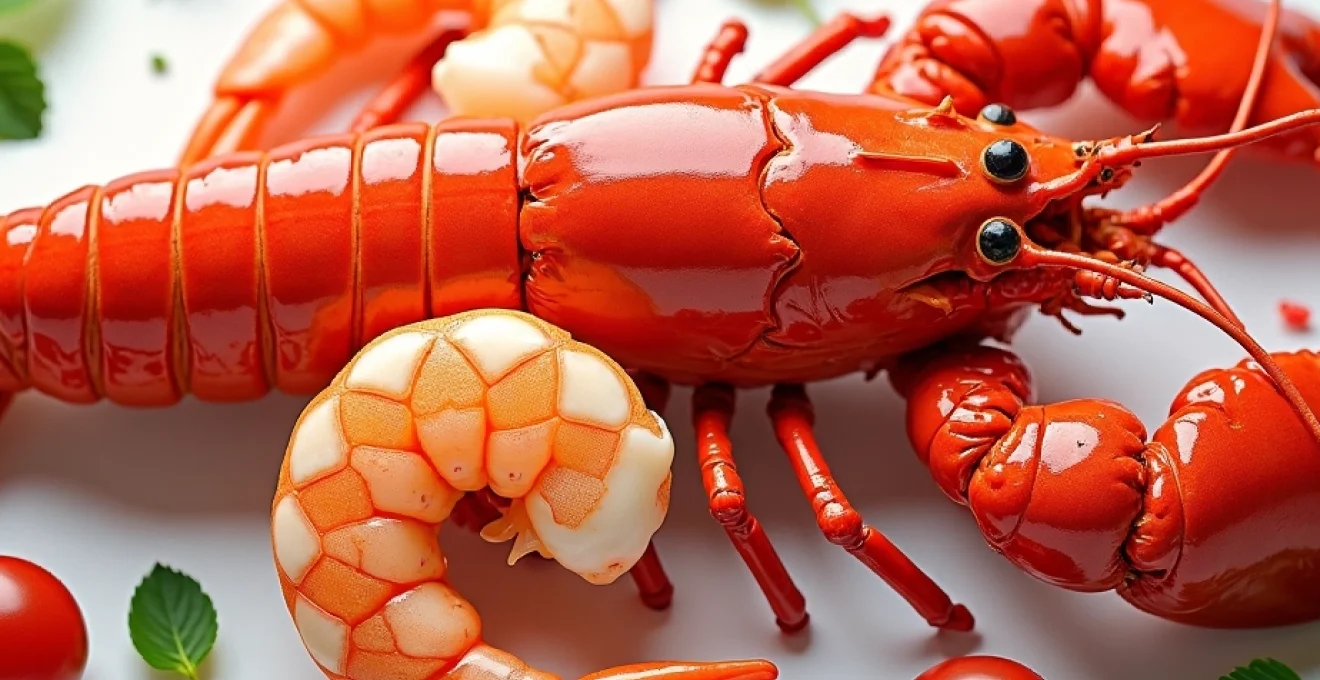
The complexities of crustacean allergies often surprise both patients and healthcare providers alike. Many individuals discover through uncomfortable experiences that their immune systems respond differently to various shellfish species, leading to the intriguing possibility of being allergic to shrimp whilst tolerating lobster perfectly well. This selective reactivity challenges the common assumption that all crustacean allergies are universal within the group.
Understanding the molecular basis behind these differential reactions has significant implications for the millions of people worldwide who experience shellfish allergies. Recent advances in allergen characterisation and component-resolved diagnostics have revealed that the proteins responsible for triggering immune responses can vary considerably between different crustacean species, even those that appear closely related from a culinary perspective.
Molecular differences between tropomyosin proteins in shrimp and lobster
The primary culprit behind most crustacean allergic reactions is tropomyosin, a muscle protein that serves as the major allergen across shellfish species. However, the assumption that all tropomyosins are identical has been thoroughly debunked by modern molecular analysis. The tropomyosin found in different crustacean species exhibits subtle but crucial variations in amino acid sequences that can determine whether an individual’s immune system recognises it as a threat.
These molecular variations occur at specific epitope binding sites where immunoglobulin E (IgE) antibodies attach to trigger allergic responses. Research has demonstrated that even minor changes in amino acid composition can dramatically alter the binding affinity of these antibodies. Consequently, an individual might produce IgE antibodies highly specific to shrimp tropomyosin whilst showing minimal reactivity to the slightly different lobster variant.
Penaeus vannamei tropomyosin isoform analysis
The Pacific white shrimp, Penaeus vannamei , contains a tropomyosin isoform designated as Pen v 1 that has been extensively characterised in allergenic studies. This particular protein variant possesses unique structural features that make it highly immunoreactive in sensitive individuals. The molecular weight of approximately 36 kDa and specific conformational properties create binding sites that are particularly attractive to human IgE antibodies.
Laboratory analysis has revealed that Pen v 1 contains several linear and conformational epitopes that differ markedly from those found in lobster species. These differences manifest in the three-dimensional protein structure, where specific amino acid residues create unique surface topographies. The result is a protein that may trigger robust allergic responses in individuals whose immune systems have been sensitised to this particular molecular signature.
Homarus americanus allergenic protein structure
The American lobster, Homarus americanus , produces a tropomyosin variant known as Hom a 1 that shares approximately 85% sequence homology with shrimp tropomyosin. Whilst this might suggest cross-reactivity should be universal, the remaining 15% difference proves crucial in determining individual allergic responses. The structural variations occur primarily in regions that serve as recognition sites for IgE binding.
Crystallographic studies have demonstrated that Hom a 1 exhibits distinct folding patterns that create different surface accessibility for immune recognition. These conformational differences can result in reduced binding affinity for antibodies that were originally sensitised to shrimp proteins. The practical implication is that some individuals may consume lobster without experiencing the histamine release and inflammatory cascade that occurs with shrimp consumption.
Cross-reactivity patterns in crustacean allergens
Cross-reactivity between different crustacean species follows predictable patterns based on phylogenetic relationships and protein homology. Species within the same taxonomic family typically share greater molecular similarity and therefore demonstrate higher rates of cross-reactivity. However, the correlation is not absolute, and individual variations in immune system recognition can override these general trends.
Clinical observations have documented cases where patients react strongly to prawns and shrimp but tolerate crab and lobster consumption. This pattern suggests that the evolutionary distance between these crustacean groups has resulted in sufficient protein divergence to allow selective tolerance. The phenomenon has important implications for dietary management and quality of life considerations in affected individuals.
Immunoglobulin E binding specificity variations
The specificity of IgE antibody binding represents a highly individualised aspect of allergic responses. Each person’s immune system creates a unique repertoire of antibodies based on initial sensitisation events and subsequent exposures. This personalised immune profile explains why some individuals develop mono-sensitisation to specific crustacean species whilst others experience broad cross-reactivity.
Advanced diagnostic techniques now allow for precise measurement of IgE binding specificity through component-resolved testing. These methods can identify which specific protein components trigger reactions in individual patients, enabling more targeted dietary recommendations. The technology has revealed that binding patterns often cluster around particular epitope regions, creating predictable patterns of cross-reactivity or tolerance.
Decapoda phylogenetic classification and allergenic implications
The taxonomic classification of decapod crustaceans provides valuable insights into understanding differential allergic responses. Shrimp belong to the suborder Dendrobranchiata, whilst lobsters are classified within Pleocyemata, specifically the infraorder Astacidea. This evolutionary separation, spanning millions of years, has resulted in significant protein diversification that directly impacts allergenic potential.
The phylogenetic distance between these groups correlates with measurable differences in protein expression patterns and post-translational modifications. These molecular variations accumulate over evolutionary time, creating distinct allergenic profiles that can explain selective sensitivity patterns observed in clinical practice. Understanding these relationships helps predict which species are most likely to demonstrate cross-reactivity and which might be tolerated by sensitive individuals.
Astacidea versus dendrobranchiata protein evolution
The evolutionary divergence between Astacidea (lobsters and crayfish) and Dendrobranchiata (prawns and shrimp) occurred approximately 400 million years ago, providing ample time for significant protein differentiation. This temporal separation has resulted in distinct evolutionary pressures that shaped the development of different muscle protein variants, including the tropomyosins responsible for most allergic reactions.
Comparative genomic studies have identified specific gene duplications and mutations that occurred independently in these lineages. These genetic changes translated into altered protein sequences and structures, creating the molecular basis for differential allergenicity. The practical result is that proteins from these distantly related groups may trigger entirely different immune responses in sensitive individuals.
Nephropidae family unique allergen expression
The Nephropidae family, which includes true lobsters such as Homarus and Nephropops species, exhibits unique patterns of allergen expression that distinguish them from other crustacean groups. Research has identified several lobster-specific proteins that do not have direct homologs in shrimp species. These unique molecular signatures can serve as the basis for selective tolerance patterns.
Analysis of lobster muscle tissue has revealed distinctive protein profiles that include modified tropomyosin variants and unique regulatory proteins. These molecular differences extend beyond simple sequence variations to include different expression levels and tissue distribution patterns. The cumulative effect creates an allergenic profile that may be sufficiently distinct to avoid cross-reactivity in some sensitive individuals.
Penaeidae Species-Specific allergenic components
Members of the Penaeidae family, including most commercially important shrimp species, share characteristic allergenic proteins that are less common in other crustacean families. The family-specific allergens include particular variants of arginine kinase and myosin light chain proteins that contribute to the overall allergenic load. These additional sensitising proteins can create a cumulative effect that makes Penaeidae species particularly problematic for allergic individuals.
The expression patterns of these species-specific allergens show considerable consistency within the Penaeidae family but marked differences when compared to lobster species. This molecular signature helps explain why individuals who react to multiple shrimp species may still tolerate lobster consumption. The discovery of these family-specific markers has important implications for developing more precise diagnostic tests and dietary recommendations.
Clinical case studies of selective crustacean allergies
Clinical evidence supporting selective crustacean allergies has accumulated through systematic documentation of patient experiences and controlled diagnostic testing. Medical literature now contains numerous case reports of individuals who demonstrate clear allergic reactions to specific crustacean species whilst tolerating others without adverse effects. These cases provide compelling evidence that universal crustacean avoidance may be unnecessarily restrictive for some patients.
The documentation of selective allergies has important implications for quality of life considerations in affected individuals. Many patients who assumed they must avoid all crustaceans have discovered through careful testing that they can safely consume certain species. This knowledge allows for more nuanced dietary planning and reduces the social and nutritional limitations associated with broad shellfish avoidance.
Component-resolved diagnostics using ImmunoCAP testing
The ImmunoCAP ISAC (Immuno Solid-phase Allergen Chip) technology has revolutionised the diagnosis of selective crustacean allergies by allowing precise measurement of IgE reactivity to individual allergen components. This sophisticated testing platform can distinguish between reactions to specific proteins such as tropomyosin, arginine kinase, and sarcoplasmic calcium-binding protein. The detailed allergenic profile obtained through this testing enables clinicians to make informed recommendations about which crustacean species might be safely consumed.
Recent studies utilising component-resolved diagnostics have documented significant numbers of patients who show selective reactivity patterns. These findings challenge traditional approaches that recommend universal crustacean avoidance and support more individualised management strategies. The precision of modern testing methods allows for confident identification of safe versus problematic species for each patient.
Documented shrimp monosensitivity patient profiles
Medical records have documented numerous cases of patients exhibiting monosensitivity to shrimp species whilst demonstrating tolerance to lobster, crab, and other crustaceans. These individuals typically show strong positive reactions to shrimp-specific allergens on skin prick tests and elevated serum IgE levels for Pen v 1 or similar shrimp tropomyosins. However, they demonstrate negative responses to lobster-derived allergens and can consume lobster without adverse reactions.
The clinical profiles of these patients often reveal initial sensitisation through shrimp consumption, with subsequent tolerance development or maintenance for other crustacean species. This pattern suggests that the initial allergen exposure and sensitisation event plays a crucial role in determining the breadth of subsequent allergic responses. The documentation of these cases has provided valuable insights into the mechanisms underlying selective crustacean allergies.
Oral food challenge protocols for lobster tolerance
Controlled oral food challenges represent the gold standard for confirming tolerance to specific crustacean species in patients with documented shrimp allergies. These carefully supervised procedures involve gradual introduction of lobster protein under medical supervision, with continuous monitoring for allergic reactions. The protocols typically begin with minute quantities and progress through increasing doses over several hours.
Success rates for lobster tolerance in shrimp-allergic patients vary considerably but demonstrate that selective tolerance is a real phenomenon. Studies have reported tolerance rates ranging from 15% to 40% depending on the specific allergen profile and patient population studied. These findings support the value of individualised assessment rather than blanket avoidance recommendations for all crustacean species.
Basophil activation test results in selective reactions
The basophil activation test (BAT) provides a functional assessment of allergic reactivity by measuring the degranulation response of basophils when exposed to specific allergens. This sophisticated diagnostic tool has proven particularly valuable in evaluating selective crustacean allergies because it can distinguish between different levels of reactivity to various species. The test measures CD63 expression on basophil surfaces as an indicator of activation intensity.
BAT results in patients with selective crustacean allergies typically show marked differences in activation patterns between shrimp and lobster allergens. Individuals with shrimp monosensitivity demonstrate robust basophil activation when exposed to shrimp proteins but minimal or absent responses to lobster-derived allergens. This functional difference correlates well with clinical tolerance patterns and provides additional confidence in making dietary recommendations.
Arginine kinase and myosin light chain allergen profiles
Beyond tropomyosin, several other proteins contribute to the allergenic profile of crustacean species, with arginine kinase and myosin light chain representing particularly important secondary allergens. These proteins exhibit species-specific variations that can influence the overall pattern of allergic reactivity. Arginine kinase, designated as Pen a 2 in shrimp and Hom a 2 in lobster, shows sufficient structural differences to create distinct immunological responses in some individuals.
The myosin light chain allergens present in different crustacean species demonstrate variable cross-reactivity patterns that contribute to the complexity of selective allergies. Research has identified that the myosin light chain from shrimp species contains unique epitopes that are absent or modified in lobster variants. This molecular diversity provides additional opportunities for selective sensitisation and tolerance patterns.
Understanding the role of minor allergens like arginine kinase and myosin light chain is crucial for developing comprehensive diagnostic approaches that can accurately predict individual tolerance patterns across different crustacean species.
Clinical studies examining the contribution of these secondary allergens have revealed that they often serve as important cofactors in determining the severity and specificity of allergic reactions. Patients who react to multiple allergen components typically experience more severe symptoms and broader cross-reactivity. Conversely, individuals with reactivity limited to specific protein variants may demonstrate selective tolerance patterns that allow consumption of certain crustacean species.
Food processing impact on crustacean allergen potency
The method of food preparation and processing significantly influences the allergenic potential of crustacean proteins, creating additional variables that can affect individual tolerance patterns. Heat treatment, pressure cooking, and various culinary preparations can alter protein structure and potentially modify allergenic properties. These processing effects may explain why some individuals react to certain preparations of shellfish whilst tolerating others prepared differently.
Understanding processing effects becomes particularly relevant for individuals with selective crustacean allergies who wish to maximise their dietary options safely. The stability of different allergens varies considerably, with some proteins showing remarkable heat resistance whilst others become denatured and potentially less allergenic through cooking processes. This knowledge can inform both diagnostic approaches and practical dietary management strategies.
Thermal treatment effects on tropomyosin stability
Tropomyosin demonstrates exceptional thermal stability, maintaining its allergenic properties even after extensive cooking processes. Studies have shown that tropomyosin remains largely intact and immunoreactive after boiling, steaming, or frying at typical culinary temperatures. This heat stability explains why cooked crustaceans retain their allergenic potential and why thermal processing cannot be relied upon to eliminate allergic risks.
The thermostable nature of tropomyosin has important implications for individuals with selective crustacean allergies. The consistent allergenic potency across different cooking methods means that species tolerance patterns remain reliable regardless of preparation techniques . This reliability provides confidence for dietary planning and reduces the complexity of avoiding problematic species whilst consuming tolerated ones.
Pressure cooking influence on allergenic protein structure
High-pressure cooking methods can induce more significant structural changes in crustacean proteins compared to conventional thermal processing. Research has demonstrated that pressure treatment can partially denature some allergenic proteins, potentially reducing their immunoreactivity. However, the effects are variable and species-specific, with tropomyosin showing greater resistance to pressure-induced denaturation than secondary allergens.
The practical implications of pressure cooking effects remain under investigation, but early evidence suggests that some individuals with mild crustacean sensitivities may tolerate pressure-cooked preparations better than conventionally prepared shellfish. However, this potential benefit should not be relied upon without appropriate medical supervision and testing, as severe allergic reactions can still occur despite pressure treatment.
Enzymatic hydrolysis and allergenicity reduction
Industrial food processing techniques involving enzymatic hydrolysis can significantly reduce the allergenic potential of crustacean proteins by breaking them down into smaller, less immunoreactive fragments. These processes are sometimes employed in the production of protein extracts and flavouring compounds derived from shellfish. The resulting hydrolysed products may be tolerated by some individuals who react to intact crustacean proteins.
However, the degree of allergenicity reduction varies considerably depending on the specific enzymes used, processing conditions, and extent of protein breakdown. Some hydrolysed products retain sufficient allergenic epitopes to trigger reactions in highly sensitive individuals. The variable outcomes of enzymatic processing highlight the importance of careful evaluation and testing rather than assuming safety based solely on processing methods.
Diagnostic testing protocols for crustacean-specific allergies
Accurate diagnosis of selective crustacean allergies requires a comprehensive approach that combines clinical history, specific IgE testing, and functional assays to create a complete allergenic profile. Modern diagnostic protocols have evolved beyond simple skin prick tests to incorporate sophisticated molecular techniques that can distinguish between different protein sensitivities. The diagnostic journey typically begins with detailed documentation of reaction patterns and proceeds through increasingly specific testing methods to achieve definitive characterisation of individual allergen profiles.
The implementation of standardised diagnostic protocols has significantly improved the accuracy of crustacean allergy diagnosis whilst reducing the risk of false positives or negatives. These comprehensive testing approaches enable healthcare providers to make confident recommendations about which crustacean species should be avoided and which might be safely consumed. The evolution of diagnostic techniques continues to refine our understanding of selective allergies and improve patient outcomes through more precise dietary guidance.
Clinical allergists now employ a multi-tiered diagnostic strategy that begins with comprehensive history taking and progresses through skin testing, serum IgE measurements, component-resolved diagnostics, and potentially supervised oral food challenges. This systematic approach ensures that all relevant allergens are identified whilst minimising the risk of missing subtle sensitivity patterns that could lead to unexpected reactions. The integration of multiple testing modalities provides the most reliable foundation for long-term allergy management strategies.
The diagnostic process must also account for the potential influence of cofactors such as exercise, alcohol consumption, and medication use that can modify allergic reactions. These variables can significantly impact the severity and pattern of responses during testing procedures, making it essential to document all relevant factors that might influence diagnostic accuracy. Understanding these cofactors becomes particularly important when evaluating patients who report variable reactions to the same crustacean species under different circumstances.
The precision of modern crustacean allergy diagnostics enables personalised dietary recommendations that can significantly improve quality of life for affected individuals whilst maintaining appropriate safety margins to prevent severe reactions.
Advanced diagnostic protocols now incorporate assessment of cross-reactive carbohydrate determinants (CCDs) that can create false positive results in some testing methods. The identification and exclusion of CCD reactivity has improved the specificity of crustacean allergy testing, reducing the number of individuals who receive unnecessarily restrictive dietary recommendations. This refinement in diagnostic accuracy has particular relevance for patients with selective allergies who might otherwise be advised to avoid all crustacean species based on misleading test results.
The future of crustacean allergy diagnostics continues to evolve with the development of novel testing platforms that can assess multiple allergen components simultaneously. These emerging technologies promise to further improve diagnostic precision whilst reducing the time and cost associated with comprehensive allergy evaluation. The integration of artificial intelligence and machine learning algorithms may eventually enable predictive modelling of cross-reactivity patterns based on individual molecular profiles, revolutionising personalised allergy management approaches.