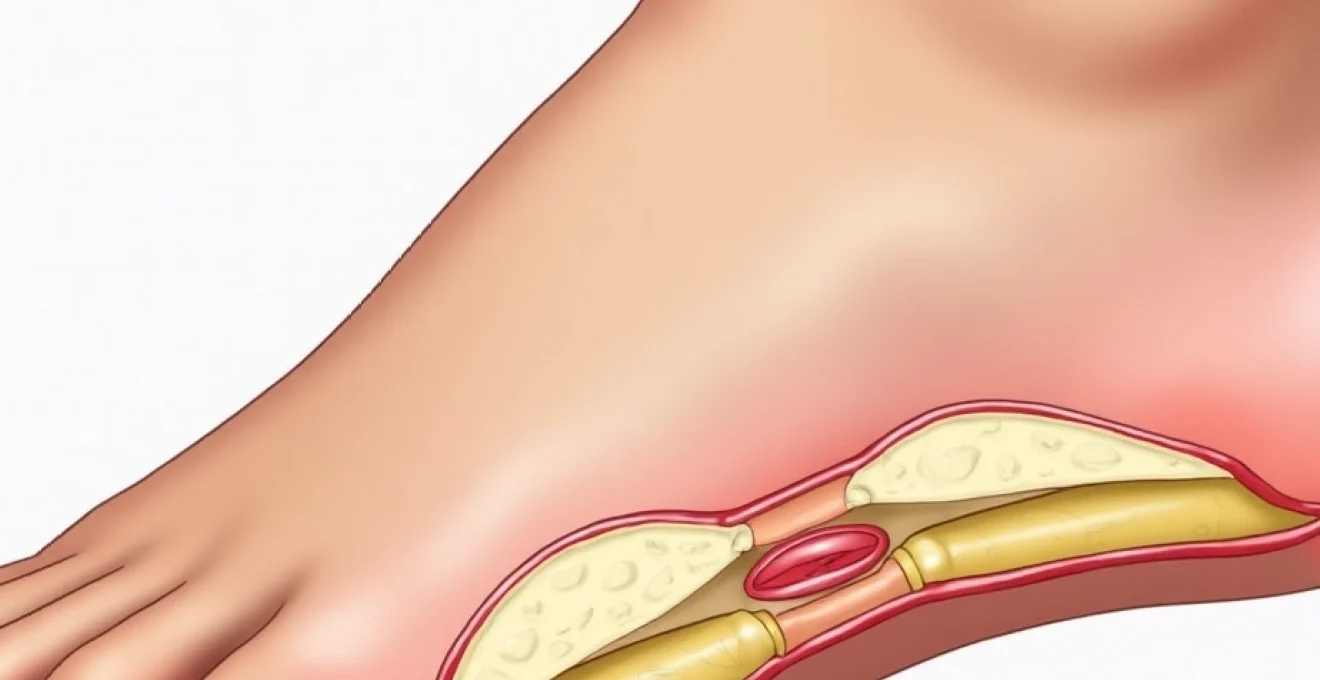
Big toe fusion surgery, medically known as first metatarsophalangeal joint arthrodesis, represents a highly effective treatment for severe hallux rigidus and certain bunion deformities. While this procedure boasts success rates exceeding 90% in most studies, patients considering this surgery must understand that various complications can arise both immediately after the operation and in the years that follow. These complications range from minor inconveniences to significant functional limitations that may require additional surgical intervention.
The decision to undergo big toe fusion surgery should never be taken lightly, particularly given the permanent nature of joint stiffness that results from the procedure. Understanding potential complications enables you to make an informed decision about whether this surgical option aligns with your lifestyle expectations and functional requirements. Recent advances in surgical techniques and hardware design have reduced many traditional complications, yet certain risks remain inherent to the procedure itself.
Immediate Post-Operative complications following first metatarsophalangeal joint arthrodesis
The immediate post-operative period presents several potential complications that can significantly impact your recovery trajectory. These early complications typically manifest within the first few weeks following surgery and require prompt recognition and appropriate management to prevent long-term consequences.
Wound dehiscence and superficial skin necrosis after hallux fusion
Wound healing complications occur in approximately 5-8% of big toe fusion procedures, with wound dehiscence representing one of the most concerning early complications. This condition involves the separation of previously closed surgical incisions, often resulting from excessive tension on the wound edges, inadequate blood supply, or patient factors such as smoking or diabetes. The 3-5cm incision typically made over the dorsal aspect of the first metatarsophalangeal joint is particularly vulnerable to dehiscence due to the high mechanical stresses experienced during weight-bearing activities.
Superficial skin necrosis can develop when the blood supply to the skin edges becomes compromised during surgery or in the immediate post-operative period. This complication is more prevalent in patients with peripheral vascular disease, diabetes, or those who smoke. The necrotic tissue appears as darkened, non-viable skin that fails to heal properly and may require debridement or secondary closure procedures.
Haematoma formation and seroma development at surgical site
Haematoma formation represents another significant early complication, occurring when blood accumulates within the surgical site despite adequate haemostasis during the procedure. Large haematomas can create significant pressure within the confined space of the surgical site, potentially compromising wound healing and increasing infection risk. The typical presentation includes excessive swelling, severe pain that doesn’t respond appropriately to prescribed analgesics, and sometimes visible discolouration around the incision site.
Seroma development, characterised by the accumulation of clear fluid at the surgical site, occurs less frequently but can still impact healing. Unlike haematomas, seromas typically develop gradually over several days and present as fluctuant swelling without the intense pain associated with blood accumulation. Both conditions may require aspiration or, in severe cases, surgical drainage to prevent further complications.
Deep vein thrombosis risk following prolonged immobilisation
Although the overall risk of deep vein thrombosis following foot and ankle surgery remains relatively low at less than 1%, the immobilisation period required after big toe fusion surgery can increase this risk, particularly in patients with additional risk factors. The combination of surgical trauma, reduced mobility, and potential dehydration creates an environment conducive to thrombus formation in the deep veins of the lower extremity.
Patients at higher risk include those with a personal or family history of thrombotic events, obesity, advanced age, prolonged surgical times, or concurrent medical conditions such as malignancy or autoimmune disorders. Early recognition of deep vein thrombosis symptoms , including calf pain, swelling, warmth, and redness, is crucial for prompt treatment and prevention of potentially life-threatening pulmonary embolism.
Pin site infections in kirschner wire fixation methods
While modern big toe fusion techniques predominantly utilise screw and plate fixation systems, some surgeons may employ Kirschner wires for temporary stabilisation or in specific clinical scenarios. Pin site infections represent a unique complication associated with percutaneous wire fixation, occurring in approximately 10-15% of cases where this fixation method is employed.
These infections typically manifest as localised erythema, purulent discharge, and tenderness around the wire insertion sites. The risk of pin site infection increases with prolonged wire retention, inadequate pin site care, or patient factors that compromise immune function. Management usually involves aggressive local wound care, antibiotic therapy, and potentially early wire removal if the infection proves refractory to conservative treatment.
Biomechanical dysfunction and gait abnormalities Post-Arthrodesis
The permanent stiffening of the first metatarsophalangeal joint fundamentally alters the biomechanics of the foot and lower extremity. While most patients adapt well to these changes, some individuals experience persistent gait abnormalities that can lead to secondary complications in adjacent joints and soft tissue structures.
Transfer metatarsalgia in second and third metatarsal heads
Transfer metatarsalgia represents one of the most significant long-term complications following big toe fusion surgery, affecting approximately 10-15% of patients. This condition develops when the normal weight distribution pattern of the forefoot becomes altered due to the loss of motion at the first metatarsophalangeal joint. The first ray, which normally bears a significant portion of the body’s weight during the push-off phase of gait, transfers this load to the adjacent metatarsal heads when fusion eliminates the joint’s mobility.
The second metatarsal head bears the brunt of this transferred load, as it represents the longest metatarsal and is anatomically positioned to accept additional stress. Patients with transfer metatarsalgia typically experience pain under the ball of the foot, particularly during walking or standing for extended periods. The pain often has a burning or aching quality and may be accompanied by callus formation over the affected metatarsal heads.
Prevention of transfer metatarsalgia requires careful surgical planning to ensure appropriate positioning of the fused joint and consideration of concurrent procedures to address any existing metatarsal length discrepancies. When this complication does occur, treatment options include accommodative orthotics, metatarsal pads, and in severe cases, surgical correction through metatarsal osteotomies.
Compensatory pronation and ankle joint stress patterns
The loss of first metatarsophalangeal joint motion forces the foot to develop compensatory movement patterns to maintain functional gait. Many patients unconsciously adopt increased pronation of the foot and ankle complex to compensate for the reduced push-off power at the first ray. This compensatory pronation can create abnormal stress patterns throughout the kinetic chain, potentially leading to ankle, knee, or hip problems over time.
These biomechanical adaptations may not become apparent immediately after surgery but can develop gradually as patients return to higher levels of activity. The ankle joint, in particular, may experience increased stress as it attempts to compensate for the lost motion at the first metatarsophalangeal joint. This can manifest as ankle stiffness, pain, or the development of arthritis in previously healthy joints.
Hallux valgus recurrence in adjacent digits
While big toe fusion effectively prevents recurrence of hallux valgus deformity in the treated digit, some patients may develop similar deformities in the adjacent toes over time. This occurs due to the altered biomechanical forces within the forefoot following fusion of the first ray. The second toe, in particular, may gradually drift toward the midline of the foot as it adapts to increased load-bearing responsibilities.
This complication is more likely to occur in patients with inherent genetic predispositions to toe deformities or those with certain foot types that predispose to hallux valgus formation. Regular monitoring and early intervention with appropriate footwear modifications or orthotic devices can help prevent or slow the progression of these secondary deformities.
Reduced Push-Off phase efficiency during terminal stance
The terminal stance phase of gait, also known as the push-off phase, relies heavily on the ability of the first metatarsophalangeal joint to dorsiflex and create a stable lever arm for propulsion. Following arthrodesis, this mechanism is permanently eliminated, requiring the foot to develop alternative strategies for forward propulsion during walking and running activities.
Most patients adapt well to this change and report minimal functional limitations once fully healed. However, some individuals, particularly those involved in high-level athletic activities, may notice reduced efficiency during running or jumping activities. The foot essentially becomes a rigid lever, which can be advantageous for some activities but may limit performance in sports requiring quick direction changes or explosive push-off movements.
The key to successful adaptation lies in understanding that the fused joint creates a different but often equally functional foot structure, provided the fusion is positioned correctly and healing occurs without complications.
Hardware-related complications in big toe fusion surgery
Modern big toe fusion procedures rely heavily on various forms of internal fixation to achieve solid bony union. While contemporary implant designs have significantly reduced hardware-related complications, these issues still represent a notable source of post-operative problems requiring careful monitoring and sometimes additional surgical intervention.
Screw loosening in compression plate fixation systems
Screw loosening occurs in approximately 2-5% of big toe fusion procedures utilising compression plate fixation systems. This complication typically develops when inadequate bone quality, excessive mechanical stress, or premature weight-bearing compromises the stability of the screw-bone interface. The low-profile titanium plates and screws used in modern fusion techniques are designed to minimise this risk, but certain patient factors can predispose to hardware failure.
Patients with osteoporosis, rheumatoid arthritis, or metabolic bone disease face higher risks of screw loosening due to compromised bone quality. Additionally, non-compliance with post-operative weight-bearing restrictions can place excessive stress on the fixation construct before adequate bony healing has occurred. Early recognition of screw loosening is crucial, as this complication can prevent successful fusion and may require revision surgery with alternative fixation methods.
Titanium implant irritation and soft tissue impingement
Despite the biocompatible nature of titanium implants, some patients develop soft tissue irritation around the hardware used in big toe fusion procedures. This complication typically manifests as localised pain, swelling, or sensitivity over the implant site, particularly when wearing certain types of footwear. The low-profile design of modern plates has significantly reduced this problem compared to earlier, bulkier hardware systems.
Soft tissue impingement occurs when the plate or screw heads create pressure points against shoes or cause irritation of surrounding soft tissues during foot motion. While the incidence of symptomatic hardware irritation has decreased to less than 5% with current implant designs, this complication can significantly impact quality of life for affected patients. Treatment options range from footwear modifications and padding to surgical hardware removal once fusion is complete.
Non-union development despite adequate screw placement
Non-union represents one of the most serious complications following big toe fusion surgery, occurring in approximately 5-10% of cases despite optimal surgical technique and appropriate hardware placement. This complication is characterised by the failure of the prepared bone surfaces to heal together, resulting in persistent motion at the intended fusion site and often continued pain.
Several factors contribute to non-union development, with smoking representing the most significant modifiable risk factor. The toxic effects of nicotine on bone healing can increase non-union rates to 15-20% or higher in patients who continue smoking during the healing period. Other risk factors include diabetes, poor nutrition, certain medications such as NSAIDs, and inadequate immobilisation during the critical healing period.
The diagnosis of non-union typically requires advanced imaging studies, including CT scans, to adequately visualise the fusion site and assess bony healing. Treatment of symptomatic non-union usually requires revision surgery with debridement of the non-union site, bone grafting, and revision fixation with more robust hardware systems.
Hardware prominence requiring secondary removal procedures
Hardware removal procedures are required in approximately 5-10% of big toe fusion cases, typically due to patient discomfort or cosmetic concerns rather than mechanical failure of the implants. The decision to remove hardware should be carefully considered, as this represents an additional surgical procedure with its own associated risks and recovery period.
Most hardware removal procedures can be performed as outpatient surgery once solid fusion has been achieved, typically at least six months after the initial procedure. The removal process is generally straightforward, but patients must understand that some degree of scarring and potential complications can occur with any surgical procedure. The timing of hardware removal is crucial , as premature removal before solid fusion can result in loss of correction or non-union.
Long-term degenerative changes in adjacent foot structures
The long-term consequences of big toe fusion surgery extend beyond the immediate surgical site to affect the entire biomechanical function of the foot and lower extremity. While most patients experience excellent outcomes, the permanent alteration of first ray mechanics can lead to degenerative changes in adjacent structures over time. These changes typically develop gradually over years and may not become apparent until decades after the initial surgery.
Adjacent joint arthritis represents one of the most significant long-term concerns following big toe fusion. The interphalangeal joint of the hallux, which becomes the primary mobile joint of the big toe after fusion, may experience increased stress and develop arthritis over time. Studies suggest that radiographic changes in this joint occur in approximately 30-40% of patients within ten years of fusion surgery, although symptomatic arthritis requiring treatment is much less common.
The lesser metatarsophalangeal joints may also experience increased mechanical stress following big toe fusion, particularly the second MTP joint. This increased stress can accelerate degenerative changes and potentially lead to pain and stiffness in these previously healthy joints. The development of arthritis in adjacent joints creates a challenging clinical scenario, as treatment options may be limited by the altered biomechanics created by the initial fusion.
Midfoot arthritis can also develop as a secondary consequence of the altered loading patterns that result from big toe fusion. The midfoot joints, including the tarsometatarsal joints, may experience abnormal stress patterns as the foot adapts to the loss of first MTP joint motion. This can lead to pain, stiffness, and functional limitations that may require additional treatment interventions.
The development of adjacent joint arthritis highlights the importance of careful patient selection and realistic expectation setting before big toe fusion surgery, particularly in younger patients who may face decades of altered foot mechanics.
Chronic pain syndromes following first MTP joint arthrodesis
While big toe fusion surgery successfully eliminates pain in the majority of patients, a small percentage develop chronic pain syndromes that can be more debilitating than their original condition. Complex Regional Pain Syndrome (CRPS) represents the most serious of these chronic pain conditions, affecting less than 1% of patients but creating severe, often life-altering symptoms when it occurs.
CRPS typically manifests as severe, burning pain that is disproportionate to the expected post-operative discomfort. The affected foot may become extremely sensitive to light touch, temperature changes, or even air movement. Additional symptoms can include changes in skin colour and temperature, swelling that persists well beyond the normal healing period, and dystrophic changes to the skin and nails. The exact cause of CRPS remains poorly understood, making prevention and treatment particularly challenging.
Chronic incisional pain represents another form of persistent pain that can affect patients following big toe fusion surgery. This condition is characterised by ongoing pain along the surgical incision site that persists beyond the expected healing period. The pain may be constant or intermittent and can significantly impact quality of life and functional activities. Treatment typically involves a multimodal approach including medications, physical therapy, and sometimes additional procedures such as nerve blocks or surgical neuroma excision.
Early intervention for chronic pain syndromes is crucial for optimal outcomes. Patients who experience persistent, severe pain beyond the expected recovery period should be evaluated promptly for these conditions. Treatment typically requires a multidisciplinary approach involving pain management specialists, physical therapists, and sometimes psychological support to address the complex nature of chronic pain conditions.
The psychological impact of chronic pain following big toe fusion cannot be overlooked. Patients who expected significant pain relief from their surgery may experience depression, anxiety, and frustration when chronic pain develops instead. This emotional component can actually amplify the perception of pain and complicate treatment efforts, making comprehensive care that addresses both physical and psychological aspects essential for optimal outcomes.
Footwear limitations and functional restrictions Post-Surgery
The
permanent stiffening of the first metatarsophalangeal joint creates significant limitations in footwear choices that patients must understand before committing to surgery. The inability of the big toe to bend upward during the push-off phase of gait restricts the heel height that can be comfortably worn to approximately one to two inches maximum. This limitation affects not only formal dress shoes but also athletic footwear designed for specific sports activities.
High-heeled shoes become particularly problematic because they require significant dorsiflexion of the first MTP joint to accommodate the foot’s position within the shoe. When this joint is fused, the foot cannot adapt to the altered geometry of high-heeled footwear, leading to increased pressure on the surgical site and potential pain with prolonged wear. Women who regularly wear heels for professional or social reasons often find this limitation more restrictive than anticipated.
Athletic footwear presents unique challenges for patients returning to sports activities following big toe fusion. Many athletic shoes are designed with flexibility in the forefoot to accommodate the natural bending motion of the toes during athletic activities. The rigid nature of the fused joint may create pressure points within flexible athletic shoes, requiring careful selection of footwear with appropriate support and cushioning in the forefoot region.
Certain occupational footwear requirements can become problematic for patients whose jobs require specific shoe types. Workers in industries requiring safety boots, military personnel, or healthcare workers who must wear specific footwear styles may find that their fused joint creates discomfort or functional limitations within their required work shoes. These limitations should be carefully considered before surgery, particularly for patients whose livelihood depends on specific footwear requirements.
The process of finding appropriate footwear often requires a period of trial and adjustment following surgery. Many patients benefit from working with pedorthists or footwear specialists who can recommend specific brands or styles that accommodate the biomechanical changes resulting from big toe fusion. Custom orthotics or shoe modifications may be necessary to optimise comfort and function within the constraints of available footwear options.
Understanding that footwear limitations represent a permanent lifestyle change, rather than a temporary inconvenience, is crucial for patient satisfaction following big toe fusion surgery.
Recreational activities may also be affected by footwear limitations following big toe fusion. Activities such as ballet, certain forms of dance, or sports requiring specialised footwear may become challenging or impossible depending on the specific requirements of the activity. Patients should discuss their recreational interests with their surgeon before surgery to ensure realistic expectations about post-operative activity levels.
The psychological impact of footwear restrictions should not be underestimated, particularly for patients who place significant importance on fashion or personal style. The permanent nature of these limitations can affect self-image and confidence, especially in social or professional situations where specific footwear is expected or desired. Pre-operative counselling should address these concerns to help patients develop realistic expectations and coping strategies.
Seasonal footwear changes can present additional challenges for patients with fused big toes. Winter boots, sandals, and other seasonal footwear may require careful selection to accommodate the altered foot mechanics. Some patients find that they need to maintain a larger collection of appropriate shoes to meet their various lifestyle needs while staying within the constraints imposed by their fused joint.
Despite these limitations, the majority of patients adapt well to their footwear restrictions and report that the elimination of pain more than compensates for the reduced shoe choices. The key to successful adaptation lies in understanding these limitations before surgery and making informed decisions about whether the trade-offs are acceptable given individual lifestyle requirements and expectations. Many patients find that the improved quality of life resulting from pain elimination makes the footwear restrictions a worthwhile compromise.