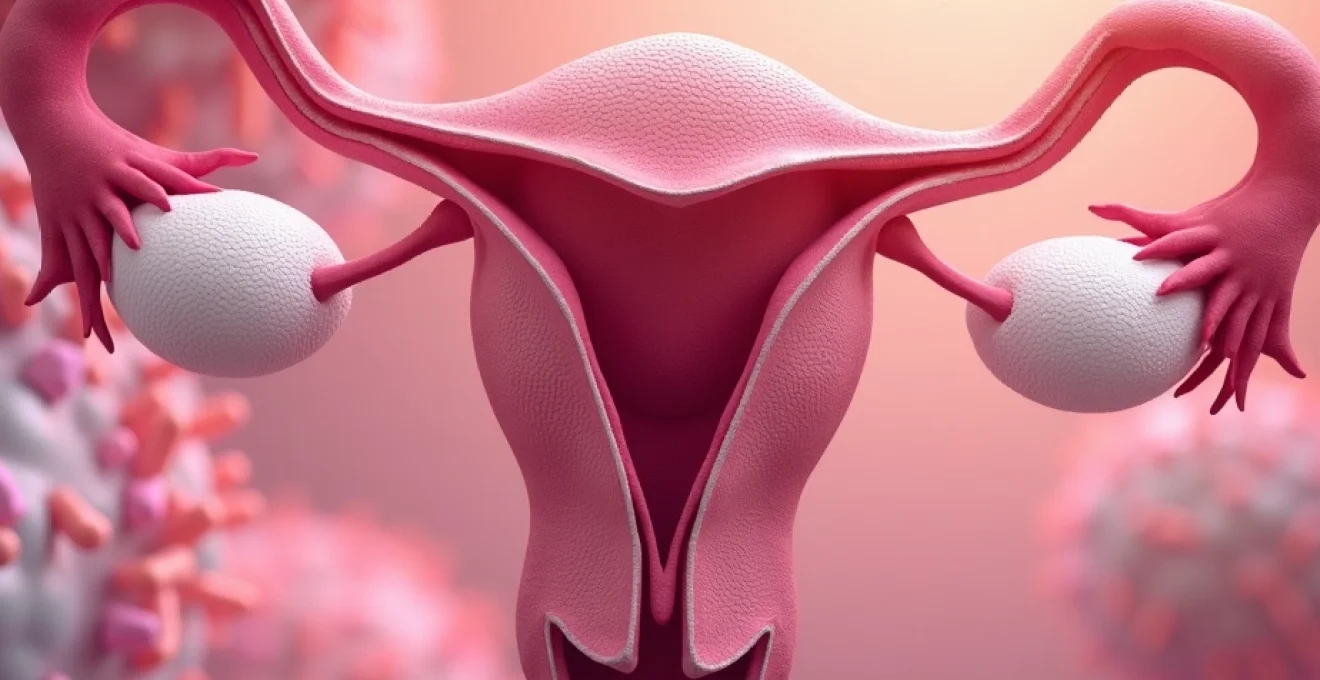
Cytolytic vaginosis represents one of the most misunderstood and underdiagnosed vaginal conditions affecting women of reproductive age. This complex disorder, also known as Lactobacillus overgrowth syndrome or Doderlein’s cytolysis, challenges the conventional understanding that more beneficial bacteria always equals better vaginal health. Unlike typical vaginal infections caused by harmful pathogens, cytolytic vaginosis emerges when the body’s protective Lactobacillus bacteria multiply beyond healthy limits, creating a hyperacidic environment that damages vaginal tissues.
The condition was first described by researchers Cibley and Cibley in 1991, who recognised that many women experiencing chronic vaginal symptoms were being misdiagnosed with recurrent yeast infections. Their groundbreaking work revealed that excessive Lactobacillus growth could produce symptoms virtually identical to vulvovaginal candidiasis, yet required entirely different treatment approaches. Today, studies suggest that cytolytic vaginosis affects between 1.7% and 26.7% of women with recurrent vaginal symptoms, though many experts believe the true prevalence remains significantly underestimated due to widespread misdiagnosis.
Cytolytic vaginosis pathophysiology and lactobacilli overgrowth mechanisms
Lactobacillus species dominance in vaginal microbiome disruption
The vaginal microbiome operates as a delicate ecosystem where multiple bacterial species coexist in carefully balanced proportions. Under normal circumstances, Lactobacillus species constitute the dominant microorganisms, typically present at a ratio of approximately five lactobacilli per ten vaginal epithelial cells. These beneficial bacteria include primarily Lactobacillus crispatus , Lactobacillus gasseri , Lactobacillus iners , and Lactobacillus jensenii . Each species contributes unique protective functions through the production of lactic acid, hydrogen peroxide, and antimicrobial compounds called bacteriocins.
In cytolytic vaginosis, this harmonious balance becomes disrupted as Lactobacillus populations expand dramatically beyond normal limits. Research indicates that L. crispatus particularly tends to predominate in affected individuals, though the exact mechanisms triggering this overgrowth remain incompletely understood. Recent high-throughput sequencing studies have revealed that women with cytolytic vaginosis demonstrate significantly higher concentrations of specific Lactobacillus strains compared to healthy controls, suggesting that certain bacterial variants may be more prone to excessive proliferation under particular conditions.
Cellular lysis process and epithelial cell destruction patterns
The term “cytolytic” derives from the characteristic cellular destruction observed in this condition. When Lactobacillus populations exceed normal thresholds, their metabolic byproducts create an environment so acidic that it becomes toxic to the vaginal epithelial cells themselves. The lactic acid produced by these bacteria, while protective in moderate concentrations, begins causing direct chemical damage to cellular membranes when present in excessive amounts.
This cellular destruction follows a predictable pattern where vaginal epithelial cells undergo premature death and fragmentation. Microscopic examination reveals abundant cytoplasmic debris, bare nuclei stripped of their surrounding cellular material, and fragmented cell remnants scattered throughout vaginal secretions. The process resembles what occurs when cells are exposed to harsh chemical agents, creating a cycle where damaged tissues provide additional nutrients for bacterial growth, potentially perpetuating the condition.
Ph acidification below normal range and metabolic byproducts
Healthy vaginal pH typically ranges between 3.8 and 4.5, maintained through the balanced production of lactic acid by resident Lactobacillus populations. In cytolytic vaginosis, this pH drops significantly below 3.8, creating a hyperacidic environment that disrupts normal vaginal physiology. Studies have documented pH levels as low as 3.5 or even lower in severely affected individuals, representing a degree of acidity that approaches levels found in commercial vinegar solutions.
The excessive lactic acid production stems from the overgrown Lactobacillus colonies metabolising available glycogen stores within vaginal tissues at accelerated rates. This process generates not only lactic acid but also various organic acids and metabolic compounds that contribute to tissue irritation. Research has identified elevated L-lactic acid concentrations specifically in vaginal secretions from women with cytolytic vaginosis, providing biochemical confirmation of the underlying metabolic disruption driving symptom development.
Hormonal fluctuations impact on lactobacilli proliferation
Hormonal changes throughout the menstrual cycle significantly influence Lactobacillus growth patterns, with oestrogen levels playing a particularly crucial role in symptom development. During the luteal phase of menstruation, when progesterone levels peak, many women with cytolytic vaginosis experience symptom exacerbation. This timing suggests that progesterone may directly or indirectly promote Lactobacillus proliferation, though the precise mechanisms remain under investigation.
Pregnancy represents another period of heightened risk, as elevated oestrogen levels increase glycogen deposition within vaginal tissues, providing abundant nutrients for bacterial growth. Similarly, women taking hormone replacement therapy or experiencing other hormonal imbalances may find themselves more susceptible to developing cytolytic vaginosis. The condition also shows associations with diabetes mellitus, where elevated blood glucose levels may create favourable conditions for excessive Lactobacillus multiplication.
Clinical presentation and symptomatology of cytolytic vaginosis
Cyclical symptom patterns during luteal phase
One of the most distinctive features of cytolytic vaginosis involves its cyclical nature, with symptoms typically worsening during the luteal phase of the menstrual cycle. This pattern occurs approximately 14 days after ovulation, when progesterone levels reach their peak, creating conditions that favour excessive Lactobacillus growth. Women often report that their symptoms become most severe in the week preceding menstruation, only to improve dramatically once menstrual flow begins.
The relief experienced during menstruation occurs because menstrual blood creates a temporarily alkaline environment within the vagina, counteracting the excessive acidity produced by overgrown Lactobacillus populations. This alkalinisation provides natural symptom relief and temporarily reduces bacterial overgrowth, explaining why many affected women feel significantly better during their periods. However, symptoms typically return as hormone levels fluctuate following menstruation, creating a predictable cycle of discomfort that many women learn to anticipate.
Vaginal discharge characteristics and microscopic findings
The vaginal discharge associated with cytolytic vaginosis presents unique characteristics that can help distinguish it from other vaginal conditions. Unlike the thick, cottage cheese-like discharge typical of yeast infections, cytolytic vaginosis often produces a more copious, white or slightly yellowish discharge that may appear thin and paste-like in consistency. Some women describe the discharge as having a watery quality, while others note a more substantial, cream-like texture.
Microscopic examination reveals the hallmark features that give this condition its name. Wet mount preparations demonstrate abundant Lactobacillus organisms, often appearing as long, gram-positive rods adhering to vaginal epithelial cells in patterns that can mimic the “clue cells” seen in bacterial vaginosis. However, careful examination reveals these as “false clue cells” created by beneficial bacteria rather than pathogenic organisms. The presence of bare nuclei, cytoplasmic debris, and fragmented cellular material provides definitive evidence of the cytolytic process occurring within vaginal tissues.
Pruritus, burning sensations and vulvar irritation manifestations
The intense itching and burning sensations associated with cytolytic vaginosis can be particularly distressing, often leading women to seek multiple medical consultations in search of relief. The pruritus typically affects both the vaginal canal and external vulvar tissues, creating an almost unbearable urge to scratch that can further damage already irritated skin. Many women describe the sensation as similar to having acid poured on delicate tissues, which accurately reflects the underlying chemical irritation causing their symptoms.
Vulvar irritation manifests as redness, swelling, and hypersensitivity to touch or contact with clothing. The external tissues may appear inflamed and tender, with some women developing secondary skin changes from chronic scratching or rubbing. Unlike yeast infections, which primarily cause itching, cytolytic vaginosis often produces a predominant burning sensation that can be constant throughout the day, significantly impacting quality of life and daily activities.
Dyspareunia and pelvic discomfort associated symptoms
Sexual dysfunction represents one of the most challenging aspects of cytolytic vaginosis, with dyspareunia (painful intercourse) affecting the vast majority of women with this condition. The hyperacidic vaginal environment creates such severe tissue irritation that any form of penetration becomes extremely uncomfortable or impossible. Some women report that sexual activity feels like “burning” or “stinging,” leading to avoidance of intimacy and potential relationship strain.
Beyond sexual difficulties, many women experience broader pelvic discomfort that can include lower abdominal cramping, pelvic pressure sensations, and generalised discomfort in the pelvic region. These symptoms often intensify with physical activity, prolonged sitting, or wearing tight clothing. The chronic nature of these symptoms can lead to secondary complications including anxiety, depression, and significant impacts on overall quality of life, particularly when the condition remains undiagnosed or mismanaged for extended periods.
Diagnostic criteria and laboratory assessment methods
Wet mount microscopy and cytolysis cell debris identification
Accurate diagnosis of cytolytic vaginosis relies heavily on microscopic examination of fresh vaginal specimens, as many of the characteristic findings deteriorate rapidly if samples are not evaluated promptly. The wet mount preparation represents the gold standard for identifying the cytolytic process, revealing the distinctive cellular debris and bare nuclei that define this condition. Experienced laboratory technicians can recognise the characteristic pattern of epithelial cell destruction, with abundant cytoplasmic fragments scattered throughout the specimen alongside intact but damaged cellular components.
The microscopic appearance differs significantly from other vaginal conditions, though careful examination is required to avoid misinterpretation. The presence of “false clue cells” – epithelial cells with adherent Lactobacilli – can initially suggest bacterial vaginosis to inexperienced observers. However, the bacterial morphology differs distinctly, with Lactobacilli appearing as larger, more uniform rod-shaped organisms compared to the smaller, more pleomorphic bacteria associated with true clue cells in bacterial vaginosis.
Vaginal ph testing and acidic environment confirmation
Vaginal pH measurement provides crucial diagnostic information, with cytolytic vaginosis characteristically producing pH values between 3.5 and 4.1, significantly lower than the normal range of 3.8 to 4.5. This acidic reading helps distinguish the condition from bacterial vaginosis, which typically produces pH levels above 4.5, and from normal yeast infections, which usually maintain pH levels within or slightly above the normal range. Simple pH testing can be performed using pH indicator strips or electronic pH meters, providing immediate diagnostic information during clinical evaluation.
The consistently low pH readings in cytolytic vaginosis reflect the excessive lactic acid production by overgrown Lactobacillus populations. Research studies have demonstrated that women with cytolytic vaginosis show significantly higher concentrations of L-lactic acid in their vaginal secretions compared to healthy controls or women with other vaginal conditions. This biochemical marker provides objective confirmation of the underlying metabolic disruption driving symptom development.
Whiff test negativity and absence of pathogenic organisms
The whiff test, performed by adding 10% potassium hydroxide (KOH) to vaginal discharge, consistently produces negative results in cytolytic vaginosis, helping distinguish it from bacterial vaginosis where the test typically generates a characteristic “fishy” odour. This negative result occurs because cytolytic vaginosis involves overgrowth of beneficial bacteria rather than the anaerobic organisms responsible for producing the volatile amines detected by the whiff test.
Comprehensive microbiological evaluation consistently fails to identify pathogenic organisms such as Candida species , Trichomonas vaginalis , or the mixed anaerobic bacteria associated with bacterial vaginosis. Instead, cultures demonstrate overwhelming predominance of Lactobacillus species, often growing in pure or near-pure cultures. This finding represents a key diagnostic criterion, as the absence of traditional pathogens combined with excessive beneficial bacteria creates the unique microbiological signature of cytolytic vaginosis.
Gram stain analysis and lactobacilli predominance patterns
Gram stain examination provides additional confirmatory evidence, revealing abundant gram-positive, rod-shaped bacteria consistent with Lactobacillus morphology. Using standardised scoring systems, affected women typically demonstrate 4+ Lactobacilli concentrations (more than 30 organisms per oil immersion field), compared to the 1-2+ levels seen in healthy women. This dramatic bacterial overgrowth can be quantified and monitored over time, providing objective measures of treatment response.
The Gram stain also helps confirm the absence of other bacterial morphologies that might suggest alternative diagnoses. In cytolytic vaginosis, the bacterial population appears remarkably homogeneous, consisting almost entirely of Lactobacillus organisms without the mixed bacterial flora typically seen in bacterial vaginosis or the presence of budding yeasts characteristic of candidiasis. This microbiological homogeneity, combined with the characteristic clinical presentation, supports the diagnosis of cytolytic vaginosis.
Differential diagnosis from vulvovaginal candidiasis and bacterial vaginosis
Distinguishing cytolytic vaginosis from vulvovaginal candidiasis presents one of the greatest diagnostic challenges in gynaecological practice, as both conditions produce remarkably similar symptom profiles. Both disorders commonly cause vulvar itching, burning sensations, dyspareunia, and abnormal vaginal discharge, leading to frequent misdiagnosis and inappropriate treatment attempts. However, several key differences can help clinicians make accurate distinctions between these conditions.
The most significant diagnostic clue lies in treatment response patterns. Women with cytolytic vaginosis show no improvement, and often experience symptom worsening, when treated with antifungal medications that effectively resolve candidiasis. This lack of response to standard yeast infection treatments frequently leads to repeated medical consultations and multiple unsuccessful treatment attempts before the correct diagnosis is considered.
Microscopic examination provides definitive differentiation between these conditions. While candidiasis demonstrates characteristic hyphal elements, pseudohyphae, and budding yeasts on KOH preparations, cytolytic vaginosis shows only abundant Lactobacilli without any fungal elements. Additionally, the pH patterns differ significantly, with candidiasis typically maintaining normal or slightly elevated vaginal pH levels, while cytolytic vaginosis consistently produces acidic readings below 3.8.
The cyclical nature of cytolytic vaginosis symptoms, with predictable worsening during the luteal phase and improvement during menstruation, provides another crucial diagnostic distinction from candidiasis, which typically does not follow menstrual cycle patterns.
Bacterial vaginosis presents different diagnostic challenges, though several features help distinguish it from cytolytic vaginosis. The characteristic fishy odour of bacterial vaginosis, particularly pronounced after sexual intercourse, contrasts sharply with the typically odourless discharge of cytolytic vaginosis. pH testing reveals alkaline conditions in bacterial vaginosis (pH >4.5) compared to the acidic environment of cytolytic vaginosis.
Microscopic findings also differ dramatically between these conditions. Bacterial vaginosis demonstrates true clue cells with adherent anaerobic bacteria, few Lactobacilli, and minimal inflammatory response. In contrast, cytolytic vaginosis shows abundant Lactobacilli creating false clue cells, extensive cellular debris from epithelial cell lysis, and typically minimal white blood cell presence unless secondary irritation has developed.
Treatment protocols and alkalinisation therapeutic approaches
The fundamental principle underlying cytolytic vaginosis treatment involves reversing the hyperacidic vaginal environment that promotes excessive Lactobacillus growth and perpetuates epithelial cell damage. Unlike most vaginal conditions that require antimicrobial therapy, cytolytic vaginosis demands alkalinisation strategies designed to restore normal pH balance and discourage bacterial overgrowth. This counter-intuitive approach often surprises both patients and healthcare providers accustomed to fighting vaginal infections rather than managing beneficial bacteria overgrowth.
Sodium bicarbonate represents the cornerstone of cytolytic vaginosis
treatment, utilized through various delivery methods designed to raise vaginal pH effectively. Vaginal douching with sodium bicarbonate solutions remains the most commonly prescribed approach, typically involving 30-60 grams of baking soda dissolved in one litre of warm water. This alkaline solution is administered intravaginally 2-3 times weekly initially, with frequency gradually reduced to once or twice weekly as symptoms improve.
For women uncomfortable with douching procedures, sodium bicarbonate suppositories offer an alternative delivery method. These can be prepared by filling empty gelatin capsules with approximately one-quarter teaspoon of pharmaceutical-grade baking soda, then inserting them intravaginally twice weekly for two-week treatment cycles. The capsules dissolve gradually, releasing alkaline compounds directly into the vaginal environment where they can neutralize excessive acidity most effectively.
Sitz baths provide additional symptomatic relief while supporting the alkalinisation process. Adding 2-4 tablespoons of sodium bicarbonate to warm shallow bath water allows affected women to soak for 15-20 minutes twice daily during acute symptom periods. This external treatment approach helps soothe vulvar irritation while contributing to overall pH modification through absorption across inflamed tissues.
Treatment monitoring requires careful assessment of symptom response over 2-3 week intervals. Women should experience gradual improvement in burning sensations, reduced discharge volume, and decreased vulvar irritation as vaginal pH normalizes. Complete symptom resolution may take several weeks to months, particularly in severe cases where extensive epithelial damage has occurred. Healthcare providers should counsel patients about realistic treatment timelines and the importance of treatment compliance despite initial discomfort that some alkalinisation methods may cause.
Treatment success depends heavily on accurate diagnosis, as alkalinisation therapy can potentially worsen other vaginal conditions such as bacterial vaginosis or aerobic vaginitis if mistakenly applied to these disorders.
Prognosis and long-term management strategies for recurrent episodes
The long-term prognosis for women with cytolytic vaginosis varies considerably depending on underlying predisposing factors and treatment compliance. Many women experience significant symptom relief with appropriate alkalinisation therapy, though complete cure remains elusive for some individuals prone to recurrent episodes. Understanding the cyclical nature of this condition helps both patients and healthcare providers develop realistic expectations about treatment outcomes and long-term management requirements.
Recurrence patterns often correlate with hormonal fluctuations, particularly during periods of elevated oestrogen or progesterone levels. Women may notice symptom return during specific menstrual cycle phases, pregnancy, or while taking hormone replacement therapy. Identifying these patterns allows for proactive treatment approaches, with some women successfully managing their condition through targeted alkalinisation therapy during high-risk periods rather than continuous treatment regimens.
Preventive strategies focus on avoiding factors that promote excessive Lactobacillus growth while maintaining overall vaginal health. Women with diagnosed cytolytic vaginosis should discontinue probiotic supplements containing Lactobacillus strains, as these products can exacerbate bacterial overgrowth and perpetuate symptoms. Similarly, avoiding commercially marketed “pH balancing” products, boric acid suppositories, and vitamin C supplements designed to support vaginal acidification becomes crucial for preventing symptom recurrence.
Lifestyle modifications can significantly impact long-term prognosis and symptom frequency. Maintaining stable blood glucose levels through appropriate diabetes management helps reduce bacterial overgrowth risk in susceptible women. Wearing breathable cotton underwear, avoiding tight-fitting clothing, and promptly changing out of wet swimwear or exercise clothing minimizes conditions that favour excessive bacterial multiplication.
For women experiencing frequent recurrences despite appropriate treatment, extended suppressive therapy may be necessary. This approach involves using low-dose sodium bicarbonate suppositories or periodic alkaline douches during the luteal phase of each menstrual cycle, when symptoms typically worsen. Some practitioners recommend monthly maintenance treatments for women with particularly severe or persistent disease, though this approach requires careful monitoring to avoid overcorrection of vaginal pH.
The psychological impact of chronic cytolytic vaginosis should not be underestimated, particularly given the frequent misdiagnosis and treatment failures that many women experience before receiving appropriate care. Chronic pelvic pain, sexual dysfunction, and relationship stress can develop secondary to the primary condition, requiring comprehensive management approaches that address both physical symptoms and psychological well-being. Support groups and counselling resources may benefit women struggling with the long-term impacts of this challenging condition.
Monitoring for treatment complications remains important throughout long-term management. Excessive alkalinisation can predispose women to bacterial vaginosis or other vaginal infections by disrupting normal protective mechanisms. Regular follow-up assessments should include vaginal pH monitoring, microscopic examination when symptoms change, and evaluation for secondary infections that might complicate the clinical picture.
Future pregnancy planning requires special consideration for women with cytolytic vaginosis, as hormonal changes during pregnancy often exacerbate symptoms while limiting available treatment options. Preconception counselling should address symptom management strategies that are safe during pregnancy, and obstetric care providers should be informed about the diagnosis to ensure appropriate monitoring and treatment throughout gestation.
Research into novel treatment approaches continues to evolve, with some investigators exploring targeted probiotic therapies using non-Lactobacillus bacterial strains to restore vaginal microbiome balance. Other experimental treatments focus on hormonal modulation to reduce cyclical symptom patterns, though these approaches remain investigational and require further study before clinical implementation.
Long-term success in managing cytolytic vaginosis often depends on patient education and empowerment. Women who understand their condition, recognize early symptom patterns, and feel confident implementing appropriate treatment measures tend to achieve better outcomes than those who remain dependent on frequent medical consultations for symptom management. Developing individualized management plans that account for each woman’s specific triggers, symptom patterns, and lifestyle factors represents the optimal approach for achieving sustained symptom control and improved quality of life.