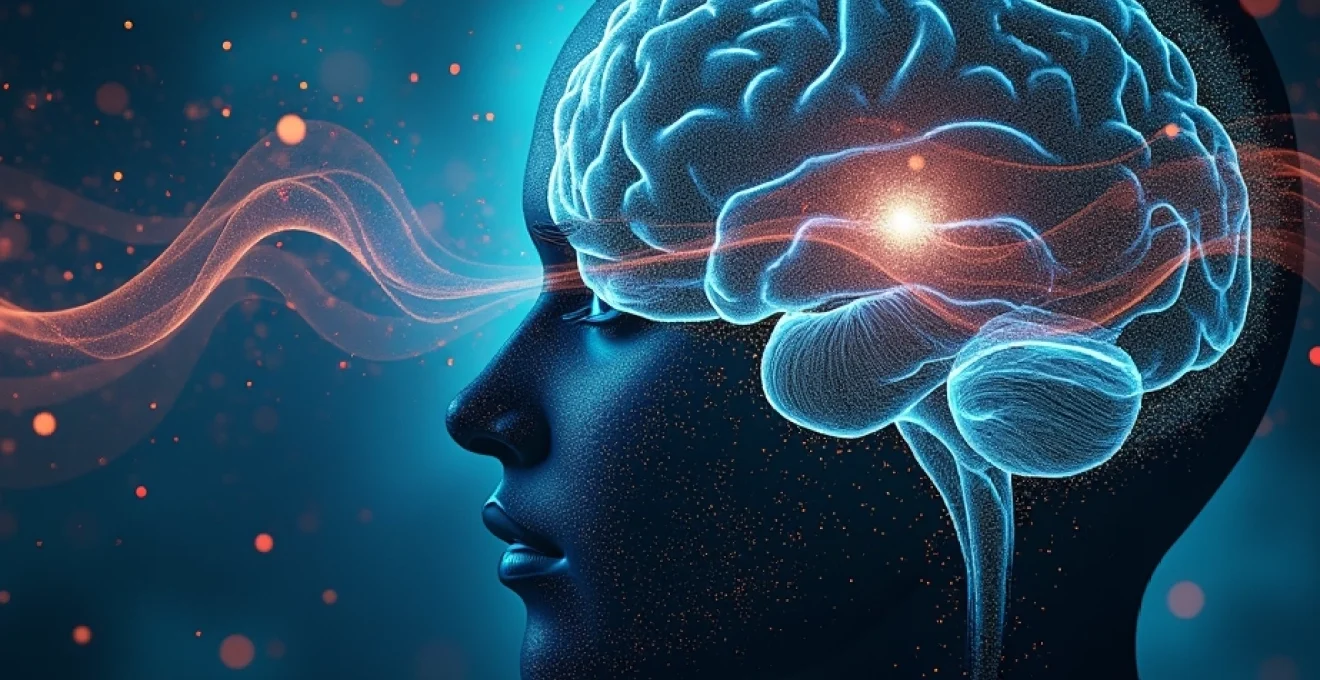
Auditory hallucinations, commonly referred to as “hearing voices,” represent one of the most challenging and persistent symptoms experienced by individuals with schizophrenia spectrum disorders. These phantom sounds and conversations can profoundly impact daily functioning, emotional wellbeing, and quality of life. While the complete elimination of voices remains elusive for many patients, modern treatment approaches offer significant hope for symptom management and meaningful recovery. Understanding the complex neurobiological mechanisms, treatment modalities, and long-term prognosis provides essential insight into whether schizophrenic voices can truly disappear.
Research indicates that approximately 70-80% of individuals with schizophrenia experience auditory hallucinations at some point during their illness trajectory. The persistence and severity of these symptoms vary considerably between patients, with some experiencing complete remission whilst others manage chronic, ongoing auditory phenomena. Contemporary treatment approaches focus on symptom reduction and functional improvement rather than pursuing the unrealistic goal of complete voice elimination for all patients.
Understanding auditory hallucinations in schizophrenia spectrum disorders
Auditory hallucinations in schizophrenia manifest as complex perceptual experiences that patients describe as hearing distinct voices, sounds, or conversations in the absence of external auditory stimuli. These phenomena typically emerge during the prodromal phase of psychosis and often persist throughout the active phases of illness. The phenomenology of schizophrenic voices differs significantly from transient auditory experiences that healthy individuals might occasionally encounter during periods of stress, sleep deprivation, or grief.
Neurobiological mechanisms behind schizophrenic voice phenomena
The neurobiological underpinnings of auditory hallucinations involve disrupted neural networks spanning multiple brain regions, including the superior temporal gyrus, inferior frontal cortex, and limbic structures. Neuroimaging studies demonstrate aberrant activity patterns in these areas during hallucinatory episodes. The prevailing hypothesis suggests that voices result from misattributed inner speech, where internally generated linguistic content becomes perceived as originating from external sources. This breakdown in source monitoring mechanisms creates the subjective experience of hearing distinct voices with their own identities, intentions, and emotional qualities.
Recent research has identified specific neural circuits responsible for voice generation and maintenance. Hyperactivity in Wernicke’s area, combined with reduced connectivity between frontal and temporal regions, creates conditions conducive to persistent auditory phenomena. Additionally, dopaminergic dysfunction in subcortical pathways contributes to the salience and emotional intensity associated with hallucinatory experiences.
Prevalence rates of auditory hallucinations across DSM-5-TR diagnostic categories
Auditory hallucinations occur across various psychiatric conditions, though their prevalence and characteristics differ substantially between diagnostic categories. In schizophrenia, approximately 75-80% of patients experience voices at some point, with 60-70% reporting persistent symptoms throughout their illness course. Schizoaffective disorder demonstrates similar prevalence rates, whilst brief psychotic episodes may feature transient auditory phenomena that resolve within weeks or months.
Bipolar disorder with psychotic features shows lower prevalence rates, typically ranging from 20-30% during acute manic or depressive episodes. Major depressive disorder with psychotic features demonstrates even lower rates, generally occurring in 10-15% of severe cases. These differential prevalence patterns reflect the underlying pathophysiological mechanisms specific to each diagnostic category.
Distinguishing command hallucinations from commentary voices in clinical assessment
Clinical assessment must carefully distinguish between different types of auditory hallucinations, as this classification directly impacts treatment planning and risk assessment. Command hallucinations involve voices issuing direct instructions or orders to the patient, ranging from benign suggestions to potentially dangerous directives. These phenomena carry particular clinical significance due to their association with increased risk of self-harm or aggressive behaviour towards others.
Commentary voices, conversely, provide running narratives about the patient’s activities, thoughts, or surroundings without necessarily issuing specific commands. Third-person voices involve conversations between multiple entities discussing the patient, creating experiences of being observed or monitored. Each subtype requires tailored therapeutic approaches and carries different prognostic implications for long-term recovery outcomes.
Temporal cortex hyperactivity and default mode network dysfunction
Sophisticated neuroimaging techniques have revealed specific patterns of brain dysfunction associated with persistent auditory hallucinations. The superior temporal cortex, particularly Heschl’s gyrus and surrounding auditory processing areas, demonstrates chronic hyperactivity in patients with treatment-resistant voices. This hyperactivity persists even during periods when patients report no active hallucinatory experiences, suggesting underlying neural vulnerability.
Default mode network dysfunction represents another critical neurobiological factor contributing to voice persistence. This network, comprising the medial prefrontal cortex, posterior cingulate cortex, and angular gyrus, normally deactivates during focused external attention. In schizophrenia, aberrant default mode network activity creates conditions where internally generated mental content becomes confused with external sensory input, facilitating the emergence and maintenance of auditory hallucinations.
Antipsychotic medication efficacy in voice suppression
Antipsychotic medications represent the cornerstone of pharmacological treatment for auditory hallucinations in schizophrenia, with research demonstrating approximately 70% efficacy rates in reducing voice frequency and intensity. However, the definition of “efficacy” requires careful consideration, as complete voice elimination occurs in only a subset of patients. Most individuals experience significant symptom reduction rather than complete resolution, with voices becoming less intrusive, commanding, or distressing over time.
The therapeutic response to antipsychotic treatment typically unfolds over several weeks to months, requiring patience and close monitoring from both patients and healthcare providers. Early response indicators include reduced voice frequency, decreased emotional distress associated with hallucinatory content, and improved ability to dismiss or ignore voice commands. Optimal therapeutic outcomes often require individualised medication selection and dosage adjustment based on patient-specific factors including symptom profile, side effect tolerance, and treatment history.
First-generation antipsychotics: haloperidol and chlorpromazine response rates
First-generation antipsychotics, also known as typical antipsychotics, demonstrate substantial efficacy in treating auditory hallucinations through potent dopamine D2 receptor blockade. Haloperidol, one of the most extensively studied medications in this class, achieves significant voice reduction in approximately 60-70% of patients within 4-6 weeks of treatment initiation. However, the high incidence of extrapyramidal side effects, including tardive dyskinesia and acute dystonic reactions, limits long-term tolerability for many individuals.
Chlorpromazine, the first antipsychotic medication developed in the 1950s, established the foundation for modern schizophrenia treatment by demonstrating that psychotic symptoms could respond to pharmacological intervention. Despite its historical significance, chlorpromazine’s extensive side effect profile, including significant sedation and metabolic complications, has relegated it to second-line treatment status in contemporary practice.
Atypical antipsychotics: clozapine, risperidone, and olanzapine treatment outcomes
Second-generation or atypical antipsychotics offer improved tolerability profiles whilst maintaining comparable or superior efficacy in treating auditory hallucinations. Risperidone demonstrates robust anti-hallucinatory effects through combined dopamine D2 and serotonin 5-HT2A receptor antagonism, achieving significant symptom reduction in 70-75% of patients. The medication’s relatively favourable side effect profile makes it a preferred first-line treatment option for many clinicians.
Olanzapine provides broad-spectrum antipsychotic activity with particular effectiveness against persistent auditory phenomena. Clinical trials demonstrate voice reduction rates of approximately 65-70%, with additional benefits for associated mood symptoms and cognitive function. However, significant metabolic side effects, including weight gain and diabetes risk, require careful monitoring and lifestyle interventions.
Treatment-resistant auditory hallucinations and clozapine protocols
Clozapine remains the gold standard treatment for individuals with treatment-resistant schizophrenia, including those with persistent auditory hallucinations that fail to respond to other antipsychotic medications. Research demonstrates that clozapine achieves substantial voice reduction in approximately 60-70% of treatment-resistant patients, with some experiencing complete resolution of hallucinatory symptoms. The medication’s unique receptor binding profile, including significant anticholinergic and antihistaminergic activity, contributes to its superior efficacy in refractory cases.
However, clozapine’s use requires stringent monitoring protocols due to the risk of agranulocytosis, a potentially life-threatening reduction in white blood cell count. Patients must undergo regular blood monitoring, typically weekly for the first six months, then biweekly or monthly thereafter. Despite these challenges, clozapine offers hope for individuals with otherwise intractable auditory hallucinations , often providing the first significant symptom relief after years of treatment failure with other medications.
Long-acting injectable antipsychotics for sustained voice management
Long-acting injectable (LAI) antipsychotics address the critical issue of medication adherence in schizophrenia treatment, particularly relevant given the chronic nature of auditory hallucinations. These formulations provide sustained medication delivery over 2-4 week intervals, eliminating the need for daily oral medication administration. Research demonstrates that LAI antipsychotics significantly reduce relapse rates and hospitalisation frequency compared to oral formulations.
Paliperidone palmitate, risperidone LAI, and olanzapine pamoate represent commonly utilised injectable options with demonstrated efficacy against persistent voices. The sustained plasma levels achieved through LAI administration help maintain consistent receptor blockade, potentially providing superior long-term voice control compared to oral medications with fluctuating plasma concentrations. Patient acceptance of LAI treatment varies considerably, with some appreciating the convenience whilst others express concerns about autonomy and injection site discomfort.
Cognitive behavioural therapy for voices and psychosocial interventions
Cognitive behavioural therapy represents a crucial component of comprehensive treatment for auditory hallucinations, offering patients practical skills for managing voice-related distress and functional impairment. Unlike medication, which primarily targets the neurobiological aspects of hallucinations, CBT focuses on altering the individual’s relationship with their voices and developing adaptive coping strategies. Research demonstrates that CBT for psychosis (CBTp) significantly reduces voice-related distress and improves overall functioning, even when hallucination frequency remains unchanged.
The fundamental premise underlying CBT for voices involves helping patients understand that their response to hallucinatory experiences, rather than the voices themselves, often determines the level of associated distress and functional impairment. By developing alternative interpretations and coping mechanisms , individuals can regain a sense of control and reduce the overwhelming impact that voices often exert on daily life activities and emotional wellbeing.
Cbt-p protocol implementation for auditory hallucination management
Structured CBTp protocols for auditory hallucinations typically span 16-20 sessions delivered over 4-6 months, allowing sufficient time for skill development and consolidation. The initial phase focuses on psychoeducation about psychosis and hallucinations, helping patients understand the neurobiological basis of their experiences whilst challenging stigmatising beliefs about mental illness. Therapists work collaboratively with patients to develop personalised formulations linking triggers, thoughts, emotions, and behavioural responses to voice experiences.
Subsequent sessions concentrate on developing specific coping strategies, including distraction techniques, reality testing methods, and cognitive restructuring exercises. Patients learn to identify patterns in their voice experiences, recognise early warning signs of increased hallucinatory activity, and implement proactive management strategies. Homework assignments reinforce therapeutic gains and encourage real-world application of newly acquired skills.
Voice dialogue techniques and relating therapy approaches
Voice dialogue represents an innovative therapeutic approach that encourages patients to develop more constructive relationships with their auditory hallucinations rather than attempting complete elimination. This technique involves structured conversations between patients and their voices, mediated by trained therapists who help facilitate healthier communication patterns. Research suggests that individuals who develop collaborative rather than adversarial relationships with their voices experience reduced distress and improved quality of life.
Relating therapy builds upon voice dialogue principles by helping patients understand the potential psychological functions their voices serve, often relating to unresolved trauma, unexpressed emotions, or unmet psychological needs. This approach recognises that voices may represent attempts by the psyche to process difficult experiences or communicate important information about the individual’s internal state. Through careful exploration and gradual relationship building, many patients discover that their voices become less threatening and more manageable over time.
Mindfulness-based interventions and acceptance commitment therapy
Mindfulness-based interventions offer patients alternative approaches to managing auditory hallucinations by developing non-judgmental awareness and acceptance of their experiences. Rather than struggling against voices or attempting to suppress them, mindfulness techniques teach individuals to observe their hallucinatory experiences with curiosity and compassion. Research demonstrates that regular mindfulness practice reduces voice-related distress and improves emotional regulation in individuals with persistent auditory phenomena.
Acceptance and Commitment Therapy (ACT) integrates mindfulness principles with behavioural activation strategies, helping patients pursue meaningful life goals despite ongoing voice experiences. ACT emphasises psychological flexibility, encouraging individuals to acknowledge their voices whilst choosing actions aligned with their personal values and long-term objectives. This approach can be particularly effective for patients whose voices have become so overwhelming that they’ve withdrawn from previously enjoyed activities and relationships.
Family intervention programs and expressed emotion reduction
Family intervention programs play crucial roles in supporting individuals with persistent auditory hallucinations whilst addressing the significant stress and burden experienced by relatives and caregivers. High levels of expressed emotion within families, characterised by criticism, hostility, or emotional over-involvement, correlate with increased relapse rates and poorer treatment outcomes. Structured family interventions teach communication skills, stress management techniques, and realistic goal-setting strategies that benefit both patients and their support networks.
These programs typically involve multiple family members in educational sessions about schizophrenia, its symptoms, and available treatments. Families learn to recognise early warning signs of symptom deterioration, develop crisis intervention plans, and create supportive home environments that promote recovery. Research demonstrates that comprehensive family intervention significantly reduces hospitalisation rates and improves long-term functional outcomes for individuals with treatment-resistant auditory hallucinations.
Neurostimulation therapies and emerging treatment modalities
Repetitive transcranial magnetic stimulation (rTMS) represents a promising non-pharmacological intervention for treatment-resistant auditory hallucinations, offering hope for individuals who have not achieved adequate symptom control through conventional approaches. This technique involves applying targeted magnetic pulses to specific brain regions, typically the left temporoparietal cortex, to modulate neural activity associated with hallucinatory experiences. Clinical trials demonstrate that approximately 35-50% of patients experience significant voice reduction following rTMS treatment courses.
The therapeutic effects of rTMS appear to result from normalising hyperactivity in auditory processing regions whilst strengthening connectivity between frontal executive areas and temporal cortices. Treatment protocols typically involve daily sessions over 2-4 weeks, with some patients requiring periodic maintenance treatments to sustain benefits. Recent advances in neuroimaging-guided targeting have improved treatment precision and efficacy rates , allowing clinicians to personalise stimulation parameters based on individual brain anatomy and activation patterns.
Avatar therapy represents an innovative digital intervention that enables patients to engage in structured dialogues with computer-generated representations of their voices. This approach allows individuals to practice assertiveness skills and develop more adaptive responses to voice commands in a controlled therapeutic environment. Preliminary research suggests that avatar therapy can reduce voice frequency and distress levels, particularly when combined with conventional CBT approaches. The technology continues evolving, with virtual reality applications showing promise for creating more immersive therapeutic experiences.
Current research indicates that combination treatments involving both pharmacological and psychosocial interventions achieve superior outcomes compared to single-modality approaches, with approximately 60-70% of patients experiencing clinically significant improvement in voice-related symptoms and functional capacity.
Long-term prognosis and recovery trajectories in schizophrenic voice management
The long-term prognosis for individuals with schizophrenic voices varies considerably based on multiple factors including age of onset, treatment adherence, social support systems, and comorbid conditions. Longitudinal studies following patients over 10-20 years reveal that approximately 20-30% achieve substantial recovery with minimal ongoing symptoms, whilst 40-50% maintain stable functioning with manageable residual voices. Unfortunately, 20-30% experience persistent severe symptoms despite optimal treatment interventions.
Recovery trajectories typically unfold gradually over months to years rather than following linear improvement patterns. Many patients experience periods of symptom ex
acerbation and improvement, requiring patience and realistic expectations from both patients and families. Early intervention during first-episode psychosis correlates with improved long-term outcomes, highlighting the importance of prompt diagnosis and treatment initiation.
Factors associated with better prognosis include younger age at treatment initiation, strong social support networks, absence of substance use disorders, and good treatment adherence. Patients who maintain consistent medication compliance and engage actively in psychosocial interventions demonstrate superior functional outcomes compared to those with irregular treatment participation. Additionally, individuals with preserved cognitive function and minimal negative symptoms tend to achieve better voice control and overall recovery.
The concept of recovery in schizophrenia has evolved beyond simple symptom elimination to encompass functional improvement, quality of life enhancement, and meaningful social participation. Many individuals learn to coexist with residual voices whilst maintaining employment, relationships, and independent living arrangements. This shift in perspective recognises that complete symptom resolution may not be necessary for achieving satisfactory life outcomes and personal fulfillment.
Resilience factors play crucial roles in determining recovery trajectories, with individuals who develop effective coping strategies, maintain hope for improvement, and cultivate supportive relationships demonstrating better long-term outcomes. Regular monitoring and treatment adjustments remain essential throughout the recovery process, as symptom patterns and therapeutic needs often change over time. Research suggests that continued engagement with mental health services, even during periods of relative stability, significantly improves the likelihood of sustained recovery and reduces the risk of severe relapses.
Differential diagnosis: excluding organic causes and substance-induced auditory phenomena
Comprehensive differential diagnosis represents a critical component of evaluating auditory hallucinations, as numerous medical conditions and substances can produce voice-like phenomena that mimic schizophrenic symptoms. Neurological disorders including temporal lobe epilepsy, brain tumours, and neurodegenerative diseases can generate auditory hallucinations that require distinct treatment approaches. Metabolic disturbances such as hypoglycemia, electrolyte imbalances, and vitamin deficiencies also contribute to hallucinatory experiences in susceptible individuals.
Hearing impairment paradoxically increases the risk of developing auditory hallucinations through a phenomenon known as Charles Bonnet syndrome of the ear. As auditory input decreases, the brain may generate phantom sounds to compensate for sensory deprivation. These hallucinations typically differ from schizophrenic voices in their musical or mechanical quality and generally lack the complex conversational content characteristic of psychiatric voice phenomena.
Substance-induced auditory hallucinations require careful evaluation, particularly given the high rates of comorbid substance use disorders among individuals with schizophrenia. Stimulants including methamphetamine, cocaine, and amphetamines commonly produce paranoid ideation and auditory phenomena during intoxication or withdrawal phases. Cannabis use, particularly high-THC preparations, correlates with increased psychotic symptoms and may precipitate first-episode psychosis in vulnerable individuals. Alcohol withdrawal can generate auditory hallucinations as part of delirium tremens, whilst chronic alcohol use contributes to thiamine deficiency and associated neurological complications.
Sleep disorders present another important differential consideration, as sleep deprivation can trigger transient auditory hallucinations in otherwise healthy individuals. Narcolepsy with cataplexy frequently involves hypnogogic and hypnopompic hallucinations that may be mistaken for psychiatric symptoms. Careful sleep history taking and polysomnographic evaluation help distinguish these phenomena from persistent schizophrenic voices. Additionally, certain medications including corticosteroids, anticholinergics, and dopamine agonists can induce hallucinatory experiences that resolve upon medication discontinuation or dose reduction.
The temporal relationship between symptom onset and potential precipitating factors provides valuable diagnostic clues. Schizophrenic voices typically emerge gradually during late adolescence or early adulthood, often preceded by prodromal symptoms including social withdrawal and cognitive decline. Acute-onset hallucinations in older adults should prompt investigation for medical causes, whilst sudden symptom emergence following substance use suggests intoxication or withdrawal phenomena. Comprehensive medical evaluation, including laboratory studies, neuroimaging, and toxicology screening, helps exclude organic causes and guides appropriate treatment selection.
The complexity of auditory hallucination differential diagnosis underscores the importance of multidisciplinary evaluation involving psychiatrists, neurologists, and other medical specialists to ensure accurate diagnosis and optimal treatment outcomes for each individual patient.