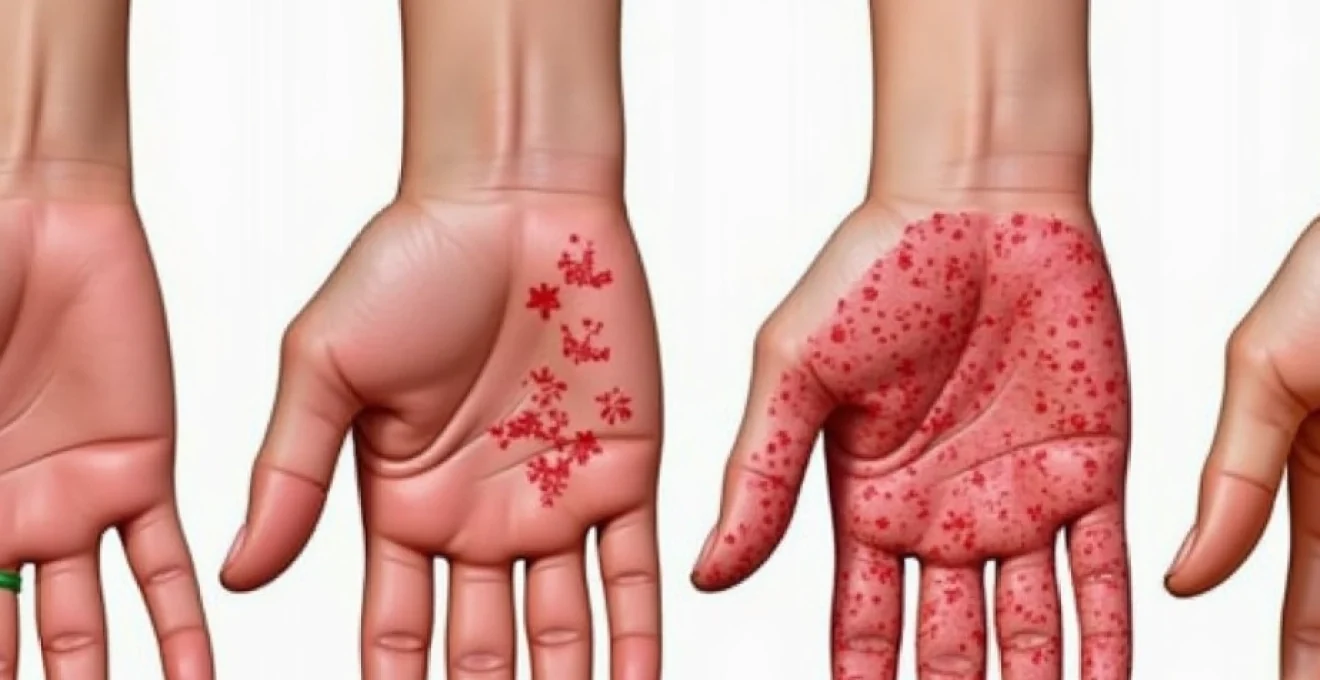
Dry, red knuckles represent one of the most frequent dermatological complaints affecting millions of individuals worldwide. These seemingly minor skin concerns can significantly impact daily activities, causing discomfort, pain, and cosmetic distress. The delicate skin covering the metacarpophalangeal joints faces unique challenges due to constant mechanical stress, environmental exposure, and reduced sebaceous gland density compared to other areas of the body.
Understanding the complex interplay between structural vulnerabilities, environmental triggers, and underlying medical conditions is crucial for effective management. The knuckle area’s propensity for dryness stems from its anatomical position and physiological characteristics, making it particularly susceptible to barrier dysfunction and inflammatory responses. Proper diagnosis and treatment require a comprehensive approach that addresses both immediate symptoms and underlying causative factors.
Dermatological mechanisms behind knuckle xerosis and erythema
The development of dry, red knuckles involves intricate dermatological processes that extend far beyond simple moisture loss. These mechanisms create a cascade of events that compromise skin barrier function and trigger inflammatory responses, ultimately manifesting as the visible symptoms patients experience.
Epidermal barrier dysfunction in metacarpophalangeal joint areas
The stratum corneum overlying the knuckles exhibits unique structural characteristics that predispose it to barrier dysfunction. This outermost layer of skin contains fewer corneocytes and demonstrates reduced lipid content compared to other hand regions. The constant flexion and extension movements create mechanical stress that disrupts intercellular lipid lamellae, compromising the skin’s ability to retain moisture and protect against environmental irritants.
Ceramide deficiency plays a particularly significant role in knuckle barrier dysfunction. These essential lipids, which normally constitute approximately 50% of stratum corneum lipids, become depleted through repeated mechanical trauma and environmental exposure. When ceramide levels drop below critical thresholds , the skin loses its capacity to maintain optimal hydration levels, leading to the characteristic dryness and scaling observed in affected areas.
Sebaceous gland distribution patterns on hand dorsum
The dorsal surface of hands, including the knuckle areas, contains significantly fewer sebaceous glands than other body regions. This anatomical limitation means that natural sebum production is insufficient to maintain adequate skin lubrication, particularly during periods of increased environmental stress or frequent hand washing. The sparse distribution of these glands creates localised areas of vulnerability where moisture loss occurs more rapidly.
Research indicates that sebaceous gland activity in hand regions decreases with age, further exacerbating the predisposition to dryness. Additionally, hormonal fluctuations can influence sebum production, explaining why some individuals experience seasonal variations in knuckle dryness severity.
Collagen degradation and elastin loss in knuckle creases
The repetitive mechanical stress experienced by knuckle skin accelerates collagen degradation and elastin fibre fragmentation. Matrix metalloproteinases become upregulated in response to chronic mechanical trauma, breaking down the structural proteins that maintain skin elasticity and integrity. This process creates microscopic fissures in the dermal layer, allowing increased transepidermal water loss and facilitating the entry of irritants and allergens.
Ultraviolet radiation exposure compounds this degradation process, as the dorsal hand surface receives significant sun exposure throughout daily activities. The combination of mechanical stress and photodamage creates a synergistic effect that accelerates skin aging and barrier dysfunction in knuckle regions.
Transepidermal water loss (TEWL) measurements in digital joints
Scientific measurements demonstrate that TEWL rates in knuckle areas can exceed normal skin values by 200-300% during acute flare-ups. This dramatic increase in water loss reflects severe barrier dysfunction and helps explain the rapid onset of dryness symptoms that many patients experience. Normal TEWL rates typically range from 4-8 g/m²/h, but affected knuckle skin can demonstrate values exceeding 25 g/m²/h.
Environmental factors significantly influence TEWL measurements, with low humidity conditions causing exponential increases in water loss. Temperature variations also affect these rates, with both extreme cold and heat contributing to elevated TEWL values through different physiological mechanisms.
Environmental and occupational triggers for knuckle irritation
External factors play a pivotal role in the development and exacerbation of knuckle dryness and erythema. Understanding these triggers allows for targeted prevention strategies and environmental modifications that can significantly improve symptom management.
Cold-induced vasoconstriction and raynaud’s phenomenon
Cold weather exposure triggers vasoconstriction in digital arteries, reducing blood flow to knuckle skin and compromising nutrient delivery to dermal structures. This physiological response decreases the skin’s ability to maintain barrier function and repair microscopic damage. In susceptible individuals, this vasoconstriction can become pathological, leading to Raynaud’s phenomenon, where digital arteries spasm excessively in response to cold or emotional stress.
The combination of reduced circulation and cold-induced dehydration creates optimal conditions for knuckle skin breakdown. Temperature drops below 10°C can trigger these responses, explaining the seasonal pattern many patients observe in their symptoms. Wind exposure amplifies these effects by increasing convective heat loss and accelerating surface moisture evaporation.
Chemical exposure from household detergents and sanitisers
Frequent exposure to alkaline detergents and alcohol-based sanitisers represents one of the most common occupational triggers for knuckle irritation. These substances strip natural lipids from the stratum corneum, disrupting barrier function and triggering inflammatory cascades. Sodium lauryl sulphate, commonly found in cleaning products, demonstrates particular potency in causing irritant contact dermatitis.
Healthcare workers, food service employees, and cleaning professionals show significantly higher rates of knuckle dermatitis due to occupational exposure patterns. The cumulative effect of repeated chemical contact, combined with frequent hand washing requirements, creates a cycle of barrier disruption and incomplete repair that perpetuates symptoms.
Studies indicate that occupational hand dermatitis affects up to 23% of healthcare workers, with knuckle areas being among the most commonly affected sites due to their vulnerability to chemical irritation and mechanical trauma.
Mechanical trauma from manual labour and repetitive motions
Occupations involving manual labour, repetitive gripping motions, or frequent contact with rough surfaces create chronic mechanical trauma to knuckle skin. Construction workers, mechanics, and manufacturing employees demonstrate particularly high rates of knuckle dermatitis due to constant friction and pressure against tool handles, machinery, and abrasive materials.
The repetitive flexion and extension movements required in many occupations create stress concentrations at skin fold areas, leading to microtrauma that compromises barrier function. Over time, this mechanical stress results in skin thickening, fissure formation, and chronic inflammatory changes that become increasingly difficult to manage without occupational modifications.
Low humidity environments and seasonal xerosis patterns
Indoor environments with relative humidity below 40% significantly increase the risk of knuckle dryness, particularly during winter months when heating systems further reduce ambient moisture levels. Air conditioning systems in office environments can create similarly problematic conditions, with some modern buildings maintaining humidity levels as low as 20-30%.
Seasonal patterns of knuckle dermatitis show clear correlations with humidity measurements and heating system usage. The transition from autumn to winter typically marks the onset of symptoms for many individuals, while improvement often occurs during spring months when outdoor humidity levels increase and heating systems are used less frequently.
Medical conditions manifesting as knuckle dryness and redness
Various underlying medical conditions can present with knuckle dryness and erythema as primary or secondary symptoms. Accurate diagnosis of these conditions is essential for implementing appropriate treatment strategies and preventing disease progression.
Atopic dermatitis and hand eczema presentations
Atopic dermatitis frequently manifests on the hands, with knuckle areas being particularly susceptible to flare-ups. The condition affects approximately 10-20% of children and 1-3% of adults worldwide, with hand involvement occurring in up to 70% of cases. The characteristic features include intense pruritus, erythematous plaques, and lichenification in chronic cases.
Hand eczema, whether atopic or irritant in nature, demonstrates predilection for knuckle creases and finger webs. The condition often follows a chronic relapsing course, with exacerbations triggered by stress, allergen exposure, or seasonal changes. Genetic factors play a significant role, with filaggrin gene mutations being identified in approximately 20-30% of affected individuals.
Psoriatic arthritis with cutaneous manifestations
Psoriatic arthritis affects approximately 30% of individuals with psoriasis and commonly involves the small joints of the hands, including the knuckles. The cutaneous manifestations can precede, accompany, or follow joint symptoms, presenting as well-demarcated erythematous plaques with silvery scaling. Nail involvement occurs in up to 90% of cases and can provide important diagnostic clues.
The inflammatory process in psoriatic arthritis involves both skin and joint structures, creating a complex clinical picture that requires multidisciplinary management. Early recognition and treatment are crucial for preventing irreversible joint damage and maintaining functional capacity.
Contact dermatitis from nickel and latex allergens
Allergic contact dermatitis from nickel exposure represents one of the most common causes of knuckle dermatitis, particularly in individuals who wear rings or work with metal objects. Nickel sensitivity affects approximately 15-20% of the population, with higher prevalence rates observed in women. The reaction typically develops 12-48 hours after exposure and can persist for weeks without appropriate treatment.
Latex allergy has become increasingly recognised as an occupational hazard for healthcare workers and others with frequent glove exposure. Type IV hypersensitivity reactions to rubber accelerators and other chemical additives in gloves can produce persistent knuckle dermatitis that may be mistaken for irritant contact dermatitis.
Autoimmune connective tissue disorders
Systemic lupus erythematosus, dermatomyositis, and scleroderma can all present with characteristic hand and knuckle involvement. These conditions demonstrate distinct clinical patterns that aid in differential diagnosis. Lupus may present with discoid lesions or photosensitive rashes on the dorsal hands, while dermatomyositis characteristically affects the knuckles with pathognomonic Gottron’s papules.
Scleroderma produces progressive skin tightening and digital ulcerations that can significantly impact quality of life and functional capacity. Early recognition and treatment of these conditions are essential for preventing irreversible complications and maintaining optimal outcomes.
Approximately 85% of patients with dermatomyositis develop characteristic cutaneous manifestations, with Gottron’s papules over the knuckles being pathognomonic for this condition.
Diabetes mellitus and peripheral microvascular changes
Diabetes mellitus affects skin health through multiple mechanisms, including advanced glycation end product formation, microvascular dysfunction, and impaired wound healing. Diabetic patients demonstrate increased susceptibility to skin infections and slower healing rates for minor trauma. The hands and knuckles are particularly vulnerable due to frequent use and exposure to potential irritants.
Peripheral neuropathy associated with diabetes can mask early signs of skin damage, allowing minor injuries to progress to more serious complications. Regular monitoring and preventive care become essential components of diabetes management in these patients.
Evidence-based treatment protocols for knuckle restoration
Effective treatment of dry, red knuckles requires a systematic approach that addresses both immediate symptom relief and long-term barrier restoration. Evidence-based protocols demonstrate superior outcomes when multiple therapeutic modalities are combined in a coordinated treatment plan.
The foundation of treatment involves aggressive moisturisation using barrier-repair formulations containing ceramides, cholesterol, and fatty acids in physiological ratios. Clinical studies demonstrate that products containing 4% urea or 10% glycerol provide superior hydration compared to standard moisturisers. Application frequency should be increased to 4-6 times daily during acute flares, with particular attention to post-washing reapplication.
Topical corticosteroids remain the gold standard for managing inflammatory components of knuckle dermatitis. Low-to-moderate potency preparations such as hydrocortisone 1% or triamcinolone 0.1% provide effective anti-inflammatory action while minimising the risk of skin atrophy. Treatment duration should be limited to 2-4 weeks for acute flares, followed by maintenance therapy with calcineurin inhibitors if needed.
Wet wrap therapy demonstrates particular efficacy for severe cases, involving the application of emollients followed by damp cotton gloves and dry outer gloves worn overnight. This technique can reduce healing time by 40-60% compared to standard topical therapy alone. The occlusive environment enhances penetration of therapeutic agents while providing physical protection against further trauma.
For chronic cases unresponsive to conventional therapy, systemic treatments may be warranted. Oral antibiotics such as doxycycline 40mg daily provide anti-inflammatory effects beyond antimicrobial activity. Severe cases may require short courses of systemic corticosteroids or immunosuppressive agents under specialist supervision.
Topical therapeutic interventions and moisturiser formulations
The selection of appropriate topical therapies depends on the underlying pathophysiology and severity of knuckle involvement. Modern formulations utilise advanced delivery systems and targeted active ingredients to optimise therapeutic outcomes while minimising adverse effects.
Barrier repair creams containing physiological lipid ratios demonstrate superior efficacy compared to traditional moisturisers. Formulations with ceramide-cholesterol-fatty acid ratios of 1:1:1 most closely mimic natural stratum corneum composition and provide optimal barrier restoration. These products should contain occlusives such as petrolatum or dimethicone to prevent transepidermal water loss, humectants like hyaluronic acid to attract moisture, and emollients such as squalane to improve skin texture.
Prescription-strength barrier repair products containing physiological concentrations of ceramides 1, 3, and 6 show clinical superiority over over-the-counter alternatives. Studies demonstrate 65% improvement in barrier function within 4 weeks of consistent use, compared to 35% improvement with standard moisturisers. The enhanced efficacy justifies the additional cost for patients with moderate to severe symptoms.
| Active Ingredient | Concentration | Primary Mechanism | Clinical Efficacy |
|---|---|---|---|
| Urea | 4-10% | Humectant/Keratolytic | Reduces scaling by 70% |
| Lactic Acid | 2-5% | Exfoliant/pH buffer | Improves texture by 60% |
| Glycerol | 10-15% | Humectant | Increases hydration by 45% |
| Ceramides | 1-3% | Barrier repair | Reduces TEWL by 55% |
Topical calcineurin inhibitors such as tacrolimus 0.1% ointment provide effective anti-inflammatory action without the risk of skin atrophy associated with long-term corticosteroid use. These agents are particularly valuable for maintenance therapy and treatment of sensitive areas where steroid-induced atrophy would be problematic. Clinical trials demonstrate 75% improvement in symptom scores with 8 weeks of twice-daily application.
Novel delivery systems including liposomal encapsulation and nanotechnology-based formulations enhance penetration of active ingredients through the thickened stratum corneum characteristic of chronic knuckle dermatitis. These advanced systems can increase bioavailability by 200-400% compared to conventional formulations, allowing for reduced application frequency and improved patient compliance.
Recent clinical trials demonstrate that advanced barrier repair formulations containing physiological lipid ratios can restore normal barrier function in 85% of patients with chronic hand dermat
itis within 12 weeks of treatment initiation, compared to 45% success rates with conventional moisturizers alone.
Prevention strategies and long-term knuckle care management
Preventing knuckle dryness and erythema requires a comprehensive approach that addresses environmental modifications, occupational protection, and lifestyle adaptations. Long-term success depends on consistent implementation of preventive measures rather than reactive treatment of acute flare-ups.
The cornerstone of prevention involves establishing a daily hand care routine that includes gentle cleansing with pH-balanced, fragrance-free cleansers followed by immediate application of barrier repair moisturizers. Hand washing technique plays a crucial role, with lukewarm water temperatures and brief contact times minimizing lipid stripping while maintaining adequate hygiene. Healthcare workers and food service employees should utilize alcohol-free, moisturizing hand sanitizers when soap and water are unavailable.
Occupational protection strategies must be tailored to specific work environments and exposure patterns. Chemical-resistant gloves with cotton liners provide optimal protection for individuals exposed to detergents, solvents, or other irritants. The selection of appropriate glove materials depends on the specific chemicals encountered, with nitrile gloves offering superior protection against most organic solvents while vinyl gloves provide adequate barrier function for aqueous solutions.
Environmental modifications focus on humidity control and temperature regulation within living and working spaces. Maintaining relative humidity levels between 40-60% significantly reduces transepidermal water loss and prevents the excessive drying that triggers knuckle dermatitis. Humidifiers should be properly maintained to prevent bacterial or fungal contamination, with distilled water recommended to minimize mineral buildup.
Dietary considerations may influence skin barrier function, with omega-3 fatty acid supplementation demonstrating modest benefits in some clinical trials. Foods rich in antioxidants, including vitamin C and E, support collagen synthesis and protect against oxidative damage. However, dietary modifications should complement, not replace, topical barrier repair therapies and environmental protection measures.
Regular dermatological monitoring becomes essential for individuals with chronic knuckle dermatitis or underlying predisposing conditions. Annual skin assessments can identify early signs of disease progression and allow for treatment modifications before symptoms become severe. Photographic documentation helps track improvement or deterioration over time, providing objective measures of treatment efficacy.
Patient education programs demonstrate significant impact on long-term outcomes, with structured teaching sessions reducing recurrence rates by up to 40% compared to standard care. These programs should cover proper moisturizer application techniques, trigger identification and avoidance strategies, and early recognition of flare-up symptoms requiring medical intervention.
Long-term follow-up studies indicate that patients who implement comprehensive prevention strategies maintain clear knuckle skin in 78% of cases at 2-year follow-up, compared to 34% of those relying solely on reactive treatment approaches.
The integration of stress management techniques may provide additional benefits, as psychological stress can exacerbate inflammatory skin conditions through neuroendocrine pathways. Mindfulness-based interventions, regular exercise, and adequate sleep hygiene support overall skin health and may reduce the frequency and severity of knuckle dermatitis flares.
Technology-assisted monitoring tools, including smartphone applications for symptom tracking and environmental condition monitoring, enable patients to identify personal trigger patterns and optimize their prevention strategies. These digital health tools provide valuable data for healthcare providers and empower patients to take active roles in managing their condition.
Success in long-term knuckle care management requires patience, consistency, and realistic expectations. Most patients experience significant improvement within 4-8 weeks of initiating comprehensive care programs, but complete barrier restoration may require 3-6 months of consistent treatment. The investment in preventive care ultimately reduces healthcare costs, improves quality of life, and prevents the development of more serious complications such as secondary bacterial infections or chronic lichenification.