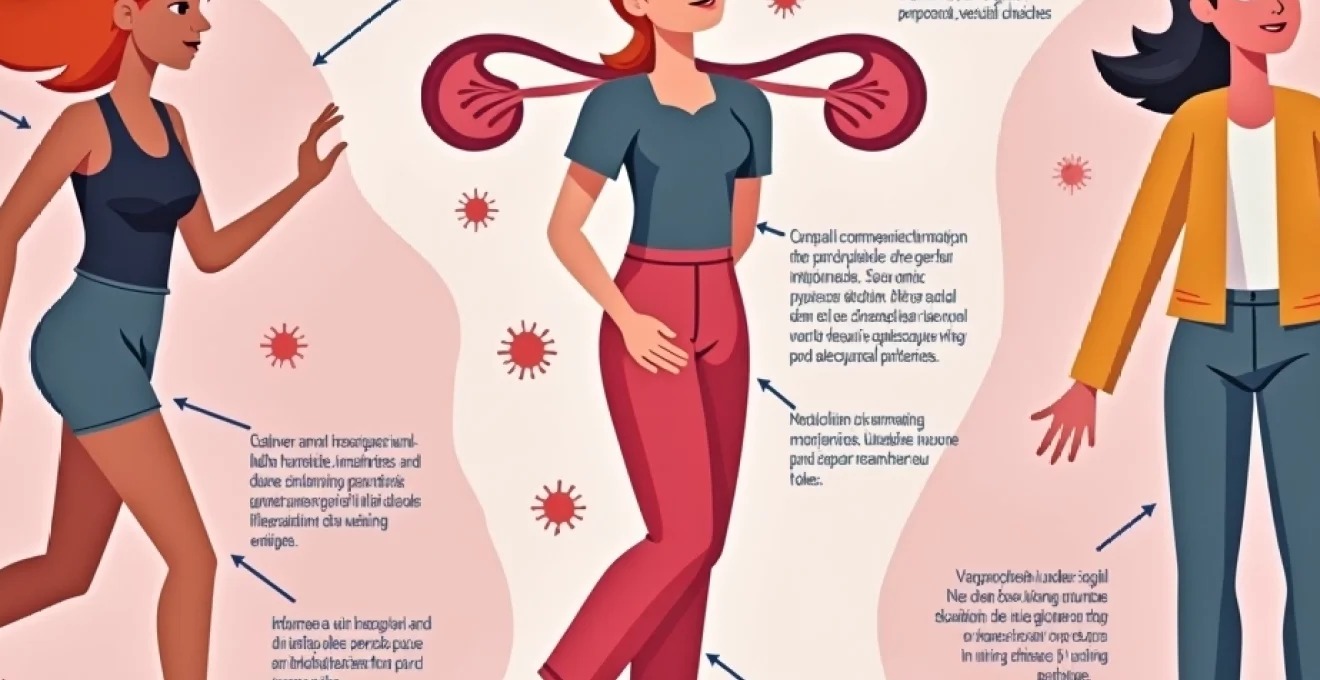
The perimenopausal transition often brings unexpected challenges that extend far beyond the well-documented hot flushes and mood changes. Many women experience a constellation of symptoms that closely resemble viral infections – body aches, fatigue, chills, nausea, and general malaise – without any underlying illness. These flu-like manifestations during perimenopause represent a complex interplay between hormonal fluctuations, neurological adaptations, and immune system modifications that can leave women feeling confused and concerned about their health.
Understanding why these symptoms occur requires examining the intricate biological processes that unfold during this transitional phase. The decline and fluctuation of reproductive hormones trigger cascading effects throughout multiple body systems, creating a perfect storm of physiological changes that can manifest as flu-like symptoms. Recognition of these patterns empowers women to seek appropriate support and distinguish between hormonal transitions and actual illness.
Hormonal fluctuations behind perimenopausal flu-like manifestations
The hormonal upheaval characteristic of perimenopause creates a domino effect throughout the body’s interconnected systems. As oestrogen, progesterone, and testosterone levels begin their irregular decline, the body struggles to maintain homeostasis across multiple physiological processes. This hormonal instability affects everything from temperature regulation to immune function, often resulting in symptoms that mirror viral infections.
Oestrogen withdrawal syndrome and inflammatory response activation
Oestrogen withdrawal during perimenopause triggers significant inflammatory responses throughout the body. When oestrogen levels drop suddenly, as commonly occurs during irregular cycles, the body interprets this as a stress signal. This perception activates the inflammatory cascade, releasing cytokines such as interleukin-6 and tumour necrosis factor-alpha. These inflammatory mediators are responsible for many flu-like symptoms, including muscle aches, fatigue, and general malaise that women experience during perimenopausal transitions.
The inflammatory response to oestrogen withdrawal also affects the hypothalamus, the brain’s temperature control centre. This disruption can cause rapid shifts between feeling feverish and experiencing chills, creating sensations remarkably similar to those experienced during viral infections. Research indicates that approximately 70% of perimenopausal women experience some form of temperature dysregulation, with many reporting flu-like sensations during particularly intense hormonal fluctuations.
Progesterone deficiency impact on immune system modulation
Progesterone serves as a natural immunomodulator, helping to maintain balanced immune responses throughout the menstrual cycle. As progesterone production declines during perimenopause, this regulatory function becomes compromised. The resulting immune system dysregulation can manifest as increased susceptibility to minor infections and prolonged recovery times from illnesses, contributing to the overall sense of being unwell that characterises perimenopausal flu-like symptoms.
Additionally, progesterone deficiency affects the production of gamma-aminobutyric acid (GABA), a neurotransmitter with anti-inflammatory properties. Reduced GABA activity not only contributes to anxiety and sleep disturbances but also amplifies inflammatory responses throughout the body. This amplification can intensify muscle aches, joint pain, and the general malaise that women often describe as feeling “like they’re coming down with something” during their perimenopausal years.
Follicle-stimulating hormone surges and cytokine release patterns
The pituitary gland’s attempts to stimulate failing ovaries result in dramatic increases in follicle-stimulating hormone (FSH) levels during perimenopause. These FSH surges don’t occur in isolation; they trigger corresponding releases of inflammatory cytokines that can produce systemic symptoms resembling viral infections. The cyclical nature of these surges explains why many women experience recurring episodes of flu-like symptoms without any identifiable infectious cause.
FSH levels during perimenopause can fluctuate wildly, sometimes reaching levels ten times higher than those seen in reproductive years. These dramatic spikes correlate with increased production of pro-inflammatory markers, creating a physiological environment similar to that seen during acute illness. Understanding this connection helps explain why standard blood tests during these episodes typically reveal no signs of infection despite the presence of convincing flu-like symptoms.
Luteinising hormone irregularities triggering systemic inflammation
Luteinising hormone (LH) irregularities during perimenopause contribute significantly to the inflammatory burden that produces flu-like symptoms. Erratic LH pulses, which become increasingly common as ovarian function declines, stimulate the release of inflammatory mediators throughout the body. These mediators affect multiple systems simultaneously, creating the widespread discomfort characteristic of both viral infections and perimenopausal transitions.
The relationship between LH fluctuations and inflammatory responses is particularly evident in the timing of symptoms. Many women report that their flu-like episodes coincide with specific points in their irregular cycles, often corresponding to failed ovulation attempts when LH surges occur without successful follicle release. This pattern suggests a direct mechanistic link between reproductive hormone irregularities and the systemic inflammatory responses that produce flu-like symptomatology.
Neurological pathways connecting perimenopause to flu-like symptomatology
The neurological implications of perimenopausal hormonal changes extend far beyond cognitive symptoms like brain fog and memory lapses. Reproductive hormones serve as neuromodulators, influencing multiple brain regions and neural pathways that control various bodily functions. When these hormone levels fluctuate unpredictably, the resulting neurological disruptions can manifest as symptoms that closely resemble viral infections, including altered pain perception, temperature dysregulation, and disrupted sleep-wake cycles.
Hypothalamic-pituitary-adrenal axis dysfunction during perimenopause
The hypothalamic-pituitary-adrenal (HPA) axis represents one of the body’s primary stress response systems, and its function becomes significantly altered during perimenopause. Fluctuating oestrogen and progesterone levels disrupt the normal feedback mechanisms that regulate cortisol production and release. This disruption results in irregular cortisol patterns that can produce fatigue, muscle weakness, and mood changes remarkably similar to those experienced during viral infections.
HPA axis dysfunction during perimenopause also affects the body’s ability to mount appropriate inflammatory responses. Dysregulated cortisol production can either suppress immune function excessively or fail to control inflammatory responses adequately. This imbalance creates a state of chronic low-grade inflammation that contributes to the persistent malaise and body aches that many women describe as feeling “generally unwell” throughout their perimenopausal transition.
Serotonin and dopamine depletion effects on physical wellbeing
Oestrogen plays a crucial role in maintaining optimal levels of serotonin and dopamine, two neurotransmitters essential for both mood regulation and physical wellbeing. As oestrogen levels decline during perimenopause, the production and availability of these neurotransmitters become compromised. Reduced serotonin levels contribute to increased pain sensitivity, digestive disturbances, and sleep disruptions, while dopamine depletion affects motivation, energy levels, and the body’s natural reward systems.
The physical manifestations of neurotransmitter depletion often mirror those seen in viral infections. Women may experience heightened sensitivity to pain, making normal daily activities feel uncomfortable or exhausting. Digestive symptoms such as nausea, bloating, and changes in appetite frequently accompany these neurotransmitter fluctuations, contributing to the overall sense of illness that characterises perimenopausal flu-like episodes.
Autonomic nervous system dysregulation and temperature control
The autonomic nervous system, responsible for controlling involuntary bodily functions, becomes significantly disrupted during perimenopause. Hormonal fluctuations affect both sympathetic and parasympathetic nervous system activity, leading to irregular heart rates, blood pressure changes, and most notably, temperature control problems. These autonomic disruptions can produce chills, sweats, and the alternating hot-cold sensations that closely resemble fever patterns seen in viral infections.
Temperature dysregulation during perimenopause involves more than the well-known hot flushes. Many women experience cold flushes , sudden drops in perceived body temperature that can be accompanied by shivering and general discomfort. These episodes often occur in conjunction with other flu-like symptoms, creating a convincing presentation of illness despite the absence of any infectious agent.
Vagus nerve communication between reproductive and immune systems
The vagus nerve serves as a critical communication pathway between the reproductive system and various other bodily systems, including immune function. During perimenopause, changes in ovarian hormone production affect vagal nerve activity, which in turn influences inflammatory responses throughout the body. Altered vagal tone can contribute to digestive symptoms, heart rate variability, and mood changes that often accompany perimenopausal flu-like episodes.
Disrupted vagus nerve function also affects the body’s ability to maintain the inflammatory balance necessary for optimal health. When vagal activity is compromised, the anti-inflammatory pathways that normally help resolve acute inflammatory responses may become less effective. This impairment can result in prolonged periods of low-grade inflammation that manifest as persistent flu-like symptoms without clear resolution patterns.
Immunological changes during perimenopausal transition phase
The perimenopausal period brings about significant modifications to immune system function that can contribute substantially to flu-like symptom development. Reproductive hormones, particularly oestrogen, serve as important modulators of immune responses throughout a woman’s reproductive years. As these hormone levels decline and fluctuate unpredictably, the immune system undergoes adaptive changes that can temporarily compromise its efficiency and create symptom patterns resembling those of viral infections.
Research indicates that immune system changes during perimenopause affect both innate and adaptive immunity. The innate immune system, which provides the body’s first line of defence against pathogens, may become hyperreactive to minor stimuli while simultaneously showing reduced efficiency in clearing actual threats. This paradoxical response can result in inflammatory symptoms that occur without the presence of significant infectious agents, explaining why women may feel ill despite negative test results for common viruses and bacteria.
The adaptive immune system also undergoes substantial modifications during this transition period. T-cell and B-cell function may become altered, leading to changes in antibody production and cell-mediated immunity. These changes can result in increased susceptibility to minor infections and prolonged recovery times from illnesses, contributing to the overall sense of compromised health that many women experience during perimenopause.
Studies have shown that women in perimenopause demonstrate altered cytokine production patterns, with increased levels of pro-inflammatory markers such as interleukin-1 beta and C-reactive protein, even in the absence of infection or other inflammatory conditions.
The hormonal fluctuations characteristic of perimenopause also affect the production and function of natural killer cells, which play crucial roles in identifying and eliminating potentially harmful cells. Reduced natural killer cell activity may contribute to increased vulnerability to minor infections and delayed recovery from illness, while paradoxically contributing to autoimmune-like symptoms that can manifest as generalised body aches and fatigue.
Vasomotor symptoms mimicking viral infection patterns
Vasomotor symptoms during perimenopause extend beyond the commonly recognised hot flushes to include a range of vascular responses that can closely mimic viral infection patterns. These symptoms result from hormonal influences on blood vessel dilation and constriction, creating sudden changes in circulation that affect temperature perception, heart rate, and overall comfort levels. The unpredictable nature of these vascular changes often leaves women feeling as though they’re experiencing the onset of illness.
The mechanism behind vasomotor symptom development involves complex interactions between declining oestrogen levels and the hypothalamic temperature control centre. As oestrogen levels fluctuate, the hypothalamus becomes increasingly sensitive to minor temperature changes, triggering inappropriate vasodilation or vasoconstriction responses. These responses can produce sensations of fever, chills, or general discomfort that are indistinguishable from those experienced during viral infections.
Cardiac symptoms often accompany vasomotor episodes during perimenopause, with many women experiencing heart palpitations, rapid pulse, or chest discomfort during these events. These cardiovascular manifestations can be particularly alarming, as they closely resemble symptoms associated with serious illness. The combination of temperature changes, cardiac symptoms, and general malaise creates a clinical picture that strongly suggests infection, despite the absence of any pathogenic cause.
The timing and duration of vasomotor symptoms add to their resemblance to viral infection patterns. Episodes may last anywhere from a few minutes to several hours, and they often occur in clusters over several days or weeks. This pattern mirrors the typical progression of many viral illnesses, with symptom intensity fluctuating over time and creating periods of relative wellness alternating with episodes of significant discomfort.
Research suggests that approximately 85% of perimenopausal women experience some form of vasomotor symptoms, with nearly 40% reporting that these symptoms significantly impact their daily functioning and quality of life.
Sleep architecture disruption and its role in flu-like presentations
Sleep disturbances during perimenopause contribute significantly to the development and persistence of flu-like symptoms. The relationship between hormonal changes and sleep quality is complex and multifaceted, involving alterations in sleep architecture, circadian rhythm regulation, and the body’s natural recovery processes. These sleep-related changes can create a cycle where poor sleep quality amplifies other perimenopausal symptoms while simultaneously making the body more vulnerable to stress and illness.
REM sleep fragmentation during hormonal fluctuations
Rapid Eye Movement (REM) sleep, crucial for cognitive function and emotional regulation, becomes significantly disrupted during perimenopausal hormonal fluctuations. Oestrogen and progesterone normally help maintain stable REM sleep patterns, but their irregular production during perimenopause leads to fragmented and reduced REM sleep. This fragmentation can result in cognitive symptoms such as brain fog, memory difficulties, and mood changes that often accompany flu-like episodes.
The disruption of REM sleep also affects the body’s natural healing and recovery processes. During normal REM sleep, the body produces growth hormone and other substances essential for tissue repair and immune function. When REM sleep becomes fragmented, these restorative processes are compromised, leading to symptoms such as muscle aches, joint stiffness, and prolonged fatigue that closely resemble those experienced during viral recovery periods.
Cortisol rhythm alterations affecting recovery patterns
Perimenopausal hormonal changes significantly disrupt normal cortisol rhythms, which typically follow a predictable pattern of high morning levels that gradually decline throughout the day. This disruption can result in elevated nighttime cortisol levels, making it difficult to achieve restorative sleep, or insufficient morning cortisol production, leading to difficulty awakening and persistent morning fatigue. These altered cortisol patterns create symptoms remarkably similar to those experienced during illness recovery.
The relationship between disrupted cortisol rhythms and flu-like symptoms extends beyond simple fatigue. Abnormal cortisol patterns affect inflammatory responses, pain perception, and immune function in ways that can amplify other perimenopausal symptoms. Women may find themselves caught in a cycle where poor sleep quality exacerbates hormonal imbalances, which in turn worsen sleep quality and intensify flu-like symptom presentations.
Growth hormone secretion changes impacting tissue repair
Growth hormone secretion, which normally occurs primarily during deep sleep phases, becomes significantly altered during perimenopause. The combination of hormonal changes and sleep disruptions can reduce growth hormone production by up to 50% compared to pre-menopausal levels. This reduction affects the body’s ability to repair tissues, maintain muscle mass, and recover from daily physical stresses, contributing to the persistent aches and weakness characteristic of perimenopausal flu-like episodes.
Reduced growth hormone production also impacts bone health, skin integrity, and overall energy levels. Women may notice increased bruising, slower healing of minor injuries, and persistent fatigue that doesn’t improve with rest. These symptoms, combined with other perimenopausal changes, create a clinical picture that strongly suggests systemic illness despite the absence of any identifiable pathogenic cause.
Differential diagnosis between perimenopause and actual viral infections
Distinguishing between perimenopausal flu-like symptoms and actual viral infections presents significant challenges for both women experiencing these symptoms and healthcare providers attempting to provide appropriate care. The overlap in symptom presentation can be striking, with both conditions potentially causing fatigue, body aches, temperature fluctuations, and general malaise. However, several key differences can help different
tiate between these conditions and guide appropriate treatment decisions.
The most reliable distinguishing factor lies in the pattern and duration of symptoms. Viral infections typically follow a predictable course with acute onset, peak intensity, and gradual resolution over 7-14 days. Perimenopausal flu-like symptoms, conversely, tend to be more cyclical, often recurring monthly or in irregular patterns that may correspond to hormonal fluctuations. Women may notice that these episodes occur at similar points in their menstrual cycles or in response to specific stressors.
Temperature patterns also provide important diagnostic clues. True viral infections usually produce sustained fever above 100.4°F (38°C), whereas perimenopausal temperature fluctuations rarely reach these levels. Instead, women may experience subjective feelings of fever or chills without significant temperature elevation when measured with a thermometer. The absence of respiratory symptoms such as cough, congestion, or sore throat also suggests hormonal rather than infectious causes.
Laboratory findings can further help distinguish between these conditions. Viral infections typically produce characteristic changes in white blood cell counts, inflammatory markers, and specific viral titers. Perimenopausal flu-like symptoms, however, may show elevated inflammatory markers without infectious causes, and hormone level testing may reveal patterns consistent with perimenopause, such as elevated FSH levels and fluctuating estradiol concentrations.
Healthcare providers should consider perimenopause as a potential cause when women aged 35-55 present with recurrent flu-like symptoms without clear infectious etiology, particularly when these episodes correlate with menstrual irregularities or other vasomotor symptoms.
The response to treatment also differs significantly between these conditions. Viral infections typically improve with supportive care and time, while perimenopausal flu-like symptoms often respond to hormone replacement therapy or other menopause-specific treatments. Women who experience repeated episodes of apparent viral illness without clear exposure or transmission to family members should consider discussing perimenopausal causes with their healthcare providers.
Additionally, the presence of other perimenopausal symptoms can provide important context for diagnosis. Women experiencing flu-like episodes alongside hot flushes, night sweats, irregular periods, or mood changes are more likely to be experiencing hormone-related symptoms rather than recurrent infections. Keeping a symptom diary that tracks both flu-like episodes and menstrual patterns can provide valuable diagnostic information for healthcare providers.