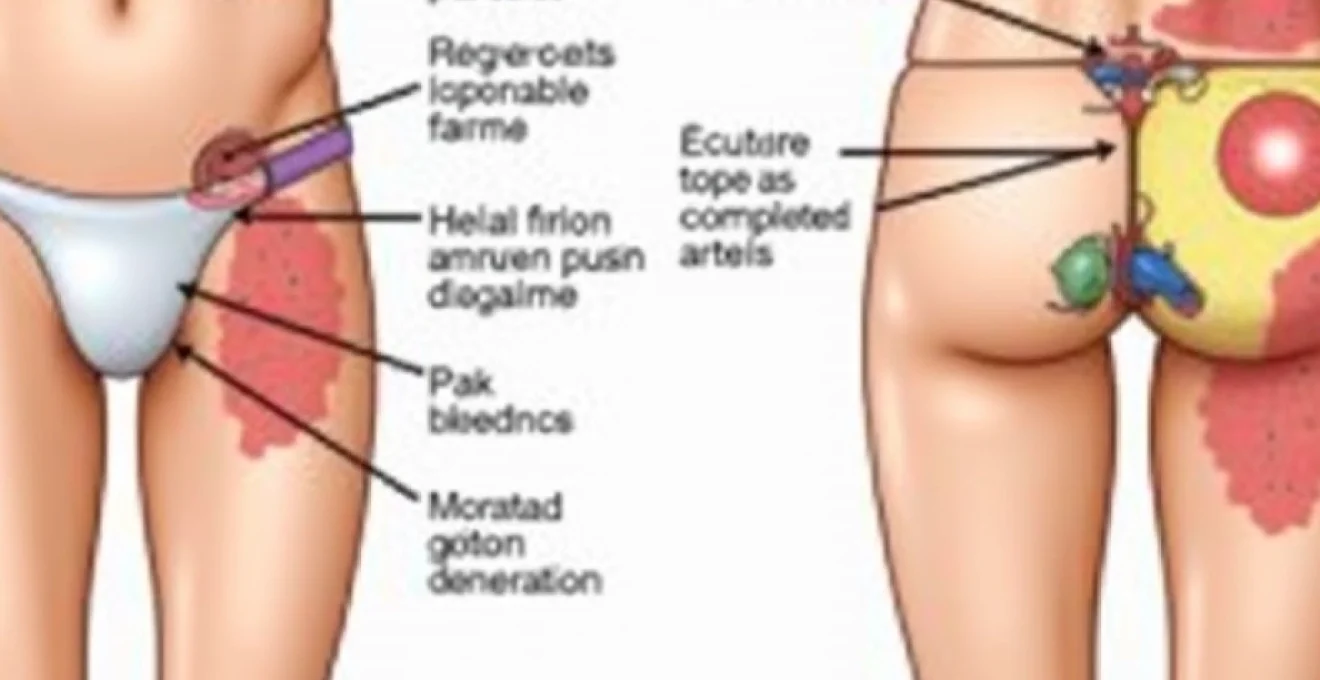
Cardiac ablation procedures have revolutionised the treatment of arrhythmias, offering patients a minimally invasive solution to restore normal heart rhythm. However, the aftermath of these procedures often leaves patients with concerns about post-procedural complications, particularly groin bruising at the catheter insertion site. Understanding what constitutes normal bruising versus concerning complications can significantly reduce patient anxiety and ensure appropriate medical care when needed.
The femoral vascular access route remains the gold standard for cardiac ablation procedures, providing optimal catheter manoeuvrability and procedural success rates. While bruising at the groin site is virtually inevitable , the extent, duration, and characteristics of this bruising can vary dramatically between patients. Factors such as anticoagulation protocols, procedural complexity, and individual patient anatomy all contribute to the post-procedural healing process.
Understanding Post-Ablation groin haematoma formation and pathophysiology
The development of groin bruising following cardiac ablation stems from a complex interplay of vascular trauma, anticoagulation effects, and tissue healing responses. During catheter-based procedures, multiple access points are typically required, with surgeons inserting 2-3 sheaths into the femoral vessels to accommodate the necessary diagnostic and therapeutic catheters.
Vascular access site trauma during catheter insertion and withdrawal
The initial puncture of the femoral vein or artery creates a controlled vascular injury that initiates the haemostatic cascade. Large-bore sheaths, typically ranging from 8-12 French in diameter , are required for advanced ablation catheters, creating proportionally larger defects in the vessel wall. The mechanical trauma extends beyond the initial puncture, as catheter manipulation throughout the procedure can cause additional micro-trauma to the vessel walls and surrounding tissues.
Upon sheath removal, the vascular defect must heal while maintaining vessel integrity. The healing process involves platelet aggregation, fibrin clot formation, and eventual tissue remodelling. However, the presence of anticoagulants significantly affects this natural progression, often prolonging bleeding and increasing the likelihood of haematoma formation around the puncture site.
Anticoagulation effects on bleeding risk and bruise development
Modern ablation procedures require aggressive anticoagulation protocols to prevent thromboembolic complications, particularly during left-sided heart procedures. Heparin administration during the procedure, combined with pre-existing anticoagulation therapy, creates an environment where bleeding tendency is significantly increased. Activated clotting times are typically maintained above 300-350 seconds during ablation procedures , representing a substantial prolongation of normal coagulation parameters.
The pharmacological anticoagulation effects persist well beyond the procedural period, with many patients continuing oral anticoagulants such as warfarin, dabigatran, or apixaban throughout the periprocedural period. This ongoing anticoagulation, while essential for stroke prevention in atrial fibrillation patients, contributes to more extensive bruising and slower resolution of haematomas compared to procedures performed without anticoagulation.
Femoral artery puncture complications and tissue damage mechanisms
Inadvertent arterial puncture, either intentional for specific procedures or accidental during venous access attempts, introduces additional complexity to the healing process. Arterial bleeding occurs under higher pressure than venous bleeding , creating larger haematomas and more extensive tissue dissection. The arterial wall structure, with its muscular media layer, responds differently to puncture trauma compared to the thinner-walled venous system.
The arterial healing process involves smooth muscle cell proliferation and extracellular matrix remodelling, which can occasionally result in pseudoaneurysm formation if the puncture site fails to seal completely.
Tissue damage mechanisms extend beyond the immediate vascular injury to include compression effects on surrounding structures. Large haematomas can compress adjacent nerves, particularly the lateral femoral cutaneous nerve, leading to temporary numbness or paraesthesia in the anterior thigh region.
Retroperitoneal bleeding versus superficial groin bruising classification
Understanding the anatomical location of bleeding is crucial for risk stratification and management decisions. Superficial groin bruising typically remains confined to the subcutaneous tissues and fascial planes below the inguinal ligament. This type of bleeding is generally visible as surface ecchymosis and palpable as a soft, non-pulsatile mass.
Retroperitoneal bleeding represents a more serious complication where blood tracks along fascial planes into the retroperitoneal space. This bleeding pattern can be life-threatening due to the potential for massive blood loss into the retroperitoneal cavity. Retroperitoneal haematomas may not be immediately apparent on surface examination , making clinical vigilance essential for early recognition and management.
Normal groin bruising timeline following cardiac ablation procedures
The evolution of post-ablation groin bruising follows a predictable pattern that reflects the underlying pathophysiology of haemoglobin breakdown and tissue healing. Understanding this timeline helps distinguish normal healing from pathological complications requiring intervention.
Initial 24-hour Post-Procedural ecchymosis appearance and size
Within the first 24 hours following sheath removal, patients typically develop localised ecchymosis around the puncture site. The initial bruising appears as a deep purple or dark red discolouration, measuring approximately 3-5 centimetres in diameter around each access site. The intensity of the initial bruising often correlates with the degree of anticoagulation and the technical difficulty of achieving haemostasis.
During this initial phase, some patients may notice a small, firm lump beneath the skin at the puncture site. This represents organised blood clot and localised tissue swelling, which is entirely normal provided it remains stable in size and non-pulsatile. The surrounding skin may feel tender to touch, and patients often experience mild discomfort with movement or pressure application.
Peak bruising development at 48-72 hours Post-Ablation
The most extensive bruising typically develops between 48-72 hours after the procedure, as gravitational forces and tissue pressure gradients cause blood products to spread through tissue planes. The bruising commonly extends down the thigh following the path of least resistance , creating what patients often describe as dramatic black and blue discolouration extending well beyond the original puncture site.
This phase represents the peak of the inflammatory response, with maximum tissue oedema and most extensive discolouration. Patients may notice that the bruising appears worse on the second or third day compared to immediately after the procedure, which can cause unnecessary anxiety if not properly counselled about expected progression patterns.
Colour evolution patterns from purple to Yellow-Green resolution
The characteristic colour changes of resolving bruises reflect the sequential breakdown of haemoglobin and its metabolites. Initially dark purple or red bruises gradually transition through a spectrum of colours as enzymatic processes break down the extravasated blood products. The progression typically follows a pattern from purple to blue, then green, yellow, and finally normal skin colour .
This colour evolution process, known as the “rainbow sign” in medical terminology, indicates normal physiological healing and should reassure patients that resolution is progressing appropriately.
The transition from purple to green typically occurs around day 5-7, with yellow discolouration predominating by days 10-14. Individual variations in skin pigmentation, age, and overall health status can influence both the intensity and duration of these colour changes.
Expected bruise dimensions and distribution around puncture sites
Normal groin bruising following ablation procedures typically measures 5-10 centimetres in maximum dimension, though extensive bruising measuring up to 15-20 centimetres can occur in anticoagulated patients without indicating complications. The bruising pattern usually follows anatomical tissue planes, with extension along the medial thigh being most common due to gravitational effects and fascial anatomy.
Multiple puncture sites can create confluent areas of bruising that may appear concerning to patients but represent normal healing of adjacent vascular access points. The distribution pattern should remain stable or gradually decrease over time , with any expanding or pulsatile areas requiring immediate medical evaluation.
Complete resolution timeframe for uncomplicated groin bruising
Complete resolution of uncomplicated groin bruising typically occurs within 2-4 weeks following the ablation procedure. Patients on continuing anticoagulation therapy may experience slightly prolonged resolution times, with complete healing extending to 4-6 weeks in some cases. Factors influencing resolution time include patient age, skin condition, anticoagulation status, and the extent of initial tissue trauma.
The final stages of bruise resolution involve the gradual fading of yellow discolouration and return to normal skin appearance. Some patients may notice subtle skin texture changes or very faint discolouration that persists for several additional weeks, but this represents normal tissue remodelling rather than ongoing pathology.
Distinguishing concerning groin complications from benign bruising
While most groin bruising following ablation procedures represents normal healing, certain presentations indicate serious complications requiring immediate medical attention. The ability to distinguish benign bruising from pathological complications can be life-saving and prevents unnecessary delays in appropriate treatment.
Pseudoaneurysm formation signs and pulsatile mass detection
Pseudoaneurysm formation occurs when the arterial puncture site fails to seal completely, creating a cavity that maintains communication with the arterial lumen. The pathognomonic sign of pseudoaneurysm is a pulsatile mass that expands and contracts synchronously with the cardiac cycle . Patients may describe feeling their pulse at the groin site or notice a “whooshing” sound with each heartbeat.
On physical examination, pseudoaneurysms present as firm, pulsatile masses that may have an audible bruit on auscultation. The overlying skin may appear normal or show minimal bruising, making the pulsatile nature the key distinguishing feature from simple haematomas. Size can vary significantly, from small 2-3 centimetre lesions to large masses exceeding 5-6 centimetres in diameter.
Duplex ultrasound examination provides definitive diagnosis, demonstrating the characteristic “yin-yang” flow pattern within the pseudoaneurysm cavity. Treatment options include ultrasound-guided compression, thrombin injection, or surgical repair depending on the size and clinical circumstances.
Arteriovenous fistula development and continuous bruit assessment
Arteriovenous fistula formation represents an abnormal communication between the femoral artery and vein, typically resulting from adjacent punctures of both vessels. Unlike pseudoaneurysms, arteriovenous fistulas produce continuous bruits rather than pulsatile sounds , reflecting the constant flow of arterial blood into the venous system.
Clinical presentation includes a palpable thrill and continuous “machinery” murmur that persists throughout the cardiac cycle. Patients may experience localised warmth over the fistula site due to increased blood flow, and chronic fistulas can eventually lead to high-output cardiac stress if left untreated.
Early recognition of arteriovenous fistulas is crucial, as small fistulas may close spontaneously while larger communications typically require interventional or surgical closure to prevent long-term cardiovascular complications.
Active bleeding indicators and expanding haematoma recognition
Active bleeding following sheath removal typically manifests as progressive enlargement of the groin haematoma, accompanied by signs of haemodynamic compromise in severe cases. Expanding haematomas feel firm and tense on palpation , unlike the soft, stable consistency of organised clot from resolved bleeding.
Serial circumferential measurements of the thigh can help quantify haematoma expansion objectively. An increase in thigh circumference of more than 3-5 centimetres compared to baseline measurements suggests ongoing bleeding requiring intervention. Associated signs include progressive anaemia, tachycardia, and hypotension in cases of significant blood loss.
Management of expanding haematomas may require reversal of anticoagulation, manual compression, endovascular intervention, or surgical exploration depending on the severity and response to conservative measures. The key principle involves early recognition and prompt intervention to prevent progression to haemodynamic compromise.
Compartment syndrome risk factors and neurological compromise
Although rare, compartment syndrome can develop when large haematomas create sufficient pressure within fascial compartments to compromise perfusion of muscles and nerves. The classic signs include pain out of proportion to physical findings, numbness, paraesthesia, and muscle weakness in the distribution of compressed structures.
Risk factors for compartment syndrome include large haematomas, ongoing anticoagulation, delayed recognition of bleeding, and anatomical variations that limit space for haematoma expansion. The lateral femoral cutaneous nerve is particularly vulnerable to compression, leading to meralgia paraesthetica with numbness and burning sensations along the lateral thigh.
Prompt recognition and treatment of compartment syndrome may require emergency fasciotomy to relieve pressure and restore perfusion. Early symptoms of neurological compromise should prompt immediate medical evaluation and consideration of advanced imaging studies to assess the extent of tissue involvement.
Patient monitoring protocols and red flag symptoms Post-Ablation
Systematic post-procedural monitoring protocols help ensure early detection of complications while providing patients with clear guidelines for self-assessment and medical care seeking. Effective monitoring balances thorough surveillance with practical implementation in the outpatient setting .
Patients should be instructed to assess their groin sites daily for changes in size, consistency, colour, and associated symptoms. Taking photographs can help document progression and provide objective evidence for clinical consultations. Temperature monitoring at the access site can help detect signs of infection, while pulse checks distal to the puncture site ensure maintained circulation.
Red flag symptoms requiring immediate medical attention include rapidly expanding bruising, pulsatile masses, continuous bruits, severe pain, numbness or weakness in the leg, and signs of systemic compromise such as dizziness, weakness, or chest pain. Patients should also seek urgent care if they develop fever, purulent drainage, or red streaking from the puncture site suggesting infection.
Healthcare providers should establish clear communication pathways for patient concerns, including 24-hour contact information and specific instructions for emergency department presentation. Early intervention for complications typically results in better outcomes and reduced morbidity compared to delayed recognition and treatment.
Evidence-based management strategies for normal groin bruising recovery
Optimal management of post-ablation groin bruising involves a combination of supportive care measures, activity modification, and symptom monitoring to promote healing while preventing complications. Evidence-based approaches focus on enhancing patient comfort and facilitating normal tissue repair processes.
Activity modification during the initial 48-72 hours following the procedure represents the cornerstone of preventing bleeding complications. Patients should avoid heavy lifting, straining, or vigorous exercise that could increase intra-abdominal pressure and disrupt the healing puncture site. Gradual return to normal activities over 1-2 weeks allows adequate healing while preventing deconditioning .
Ice application during the first 24-48 hours can help reduce swelling and provide symptomatic relief, while gentle heat application after this initial period may promote circulation and enhance healing. Compression garments or elastic bandages can provide support and reduce gravitational pooling of blood products, though excessive compression should be avoided to prevent circulatory compromise.
Pain management typically involves over-the-counter analgesics such as paracetamol or ibuprofen, though non-steroidal anti-inflammatory drugs should be used cautiously in anticoagulated patients due to increased bleeding risk. Adequate pain control facilitates mobility and prevents complications associated with prolonged immobility .
Patient education remains paramount in successful recovery management, with clear instructions about expected healing progression, warning signs requiring medical attention, and when to resume normal activities. Written discharge instructions should include specific contact information and timeframes for follow-up appointments to ensure continuity of care throughout the recovery period.