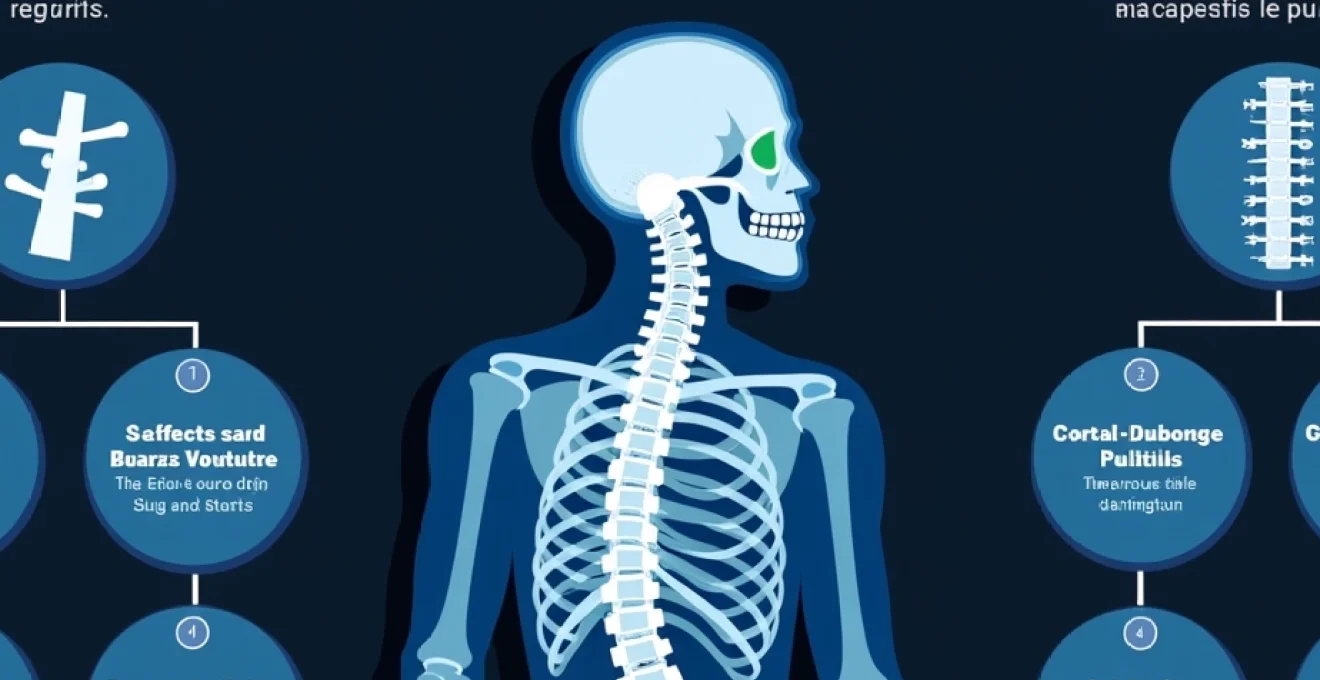
The intersection of spinal instrumentation and magnetic resonance imaging represents one of the most critical safety considerations in modern medical practice. For the thousands of patients worldwide who received Harrington rod systems between the 1960s and 1990s, understanding MRI compatibility has become increasingly important as these individuals age and require diagnostic imaging for various medical conditions. While these pioneering spinal fusion devices revolutionised scoliosis treatment, their interaction with powerful magnetic fields continues to generate concern among patients and healthcare providers alike.
The safety profile of Harrington rods in MRI environments depends on multiple factors, including the specific materials used in construction, the age of the implant, and the field strength of the imaging system. Modern understanding of these interactions has evolved significantly since these devices were first introduced, providing clearer guidance for both patients and medical professionals navigating MRI safety protocols.
Harrington rod construction and magnetic properties
Understanding the fundamental composition of Harrington rod systems is essential for evaluating their MRI safety profile. These pioneering spinal instrumentation devices were primarily constructed using surgical-grade stainless steel, specifically designed to withstand the mechanical stresses of spinal correction while maintaining biocompatibility within the human body. The magnetic properties of these materials directly influence their behaviour in strong magnetic fields, making material composition a critical factor in determining MRI safety.
Stainless steel 316L composition in harrington rod systems
The majority of Harrington rod systems manufactured from the late 1960s onwards utilised 316L stainless steel , a low-carbon austenitic stainless steel alloy specifically chosen for its excellent biocompatibility and corrosion resistance. This particular grade contains approximately 17-20% chromium, 10-14% nickel, and 2-3% molybdenum, creating a stable austenitic crystal structure that exhibits minimal magnetic susceptibility. The ferromagnetic properties of 316L stainless steel are negligible under normal conditions, making it suitable for use in MRI environments.
However, the manufacturing processes and quality control standards varied considerably during the early years of Harrington rod production. Some systems may contain trace amounts of ferromagnetic materials or exhibit slight variations in composition that could potentially influence their magnetic behaviour. The cold-working processes used during rod manufacturing can also induce slight magnetic properties in otherwise non-magnetic materials, though these effects are typically minimal and do not pose significant safety risks.
Ferromagnetic risk assessment for pre-1982 harrington implants
Harrington rod systems implanted before 1982 require particular attention regarding MRI safety, as manufacturing standards and material specifications were less stringent during the early years of production. Some early systems may have incorporated materials with higher magnetic susceptibility, though documented cases of significant ferromagnetic behaviour remain rare. The risk assessment for these older implants should consider the possibility of trace ferromagnetic components, particularly in systems manufactured outside established medical device standards.
Clinical experience spanning several decades has demonstrated that even early Harrington rod systems rarely exhibit clinically significant magnetic attraction or torque forces when exposed to standard MRI field strengths. However, the theoretical risk of unexpected magnetic behaviour cannot be entirely eliminated for systems implanted during the earliest years of Harrington rod use, necessitating careful evaluation and appropriate precautionary measures.
Cotrel-dubousset vs harrington rod material specifications
The evolution from Harrington rod systems to more advanced instrumentation like Cotrel-Dubousset systems brought significant improvements in material specifications and magnetic compatibility. While Harrington rods utilised relatively simple stainless steel rod configurations, modern systems often incorporate titanium alloys and more sophisticated stainless steel grades with enhanced MRI compatibility. These material specifications reflect decades of advancement in metallurgy and medical device manufacturing.
Titanium-based systems, which became more common after the Harrington era, offer superior MRI compatibility due to their completely non-ferromagnetic properties. However, the clinical performance and longevity of established Harrington rod systems often make replacement unnecessary solely for MRI compatibility purposes, as these systems generally perform adequately in standard MRI environments.
MRI compatibility classification standards for spinal instrumentation
Modern MRI compatibility classification standards, established by organisations such as ASTM International and the FDA, provide standardised frameworks for evaluating medical device safety in magnetic environments. These classifications include MR Safe, MR Conditional, and MR Unsafe categories, each with specific testing requirements and safety parameters. Harrington rod systems, having been developed before these formal standards, are typically classified based on retrospective analysis of their material properties and clinical experience.
The absence of formal MRI compatibility testing for historical Harrington rod systems does not necessarily indicate safety concerns, as decades of clinical experience have provided substantial evidence regarding their behaviour in magnetic fields. However, the lack of standardised testing data means that safety evaluations must rely on material analysis and accumulated clinical experience rather than formal certification processes.
Tesla field strength limitations for harrington rod patients
The magnetic field strength of MRI systems represents a critical factor in determining safety parameters for patients with Harrington rod implants. Modern MRI systems operate at various field strengths, typically ranging from 0.2 Tesla in open systems to 3.0 Tesla in high-resolution clinical scanners, with research systems extending to 7.0 Tesla or higher. Each field strength presents different safety considerations and potential limitations for patients with metallic spinal instrumentation.
1.5 tesla MRI safety protocols for established harrington systems
1.5 Tesla MRI systems represent the gold standard for imaging patients with Harrington rod instrumentation, offering an optimal balance between image quality and safety considerations. At this field strength, the magnetic forces exerted on stainless steel Harrington rods are minimal and well within acceptable safety margins established through extensive clinical experience. The specific absorption rate (SAR) limitations at 1.5 Tesla also help minimise potential heating effects around metallic implants.
Safety protocols for 1.5 Tesla imaging typically include careful patient positioning to prevent skin-to-skin contact points that could create heating loops, monitoring for any unusual sensations during the procedure, and ensuring that patients remain conscious and communicative throughout the examination. These safety protocols have proven effective in thousands of examinations performed over several decades without significant adverse events.
Clinical guidelines consistently recommend 1.5 Tesla systems as the preferred choice for patients with older spinal instrumentation, providing excellent diagnostic capability while maintaining the highest safety margins.
3.0 tesla contraindications and risk mitigation strategies
The use of 3.0 Tesla MRI systems for patients with Harrington rods requires more careful consideration and enhanced safety measures. The doubled magnetic field strength significantly increases both the static magnetic forces and the potential for radiofrequency heating around metallic implants. While not absolutely contraindicated, 3.0 Tesla imaging should be reserved for cases where the diagnostic benefit clearly outweighs the increased theoretical risks.
Risk mitigation strategies for 3.0 Tesla examinations include limiting scan sequences to those with lower SAR values, reducing total examination time, and implementing more frequent patient monitoring protocols. The normal operating mode, with SAR limitations of 2 W/kg, should be maintained rather than using higher-power first-level controlled modes. These precautions help ensure that any potential heating effects remain within acceptable physiological limits.
Specific absorption rate (SAR) calculations for rod heating
Specific Absorption Rate calculations become particularly important when evaluating the safety of radiofrequency energy deposition around metallic spinal instrumentation. The presence of conductive materials like stainless steel rods can create local concentrations of RF energy, potentially leading to tissue heating in adjacent areas. However, the rod-like configuration and embedded nature of Harrington systems typically distribute any heating effects over relatively large tissue volumes.
Mathematical modelling and experimental studies have demonstrated that Harrington rod systems, when properly embedded in mature scar tissue, rarely generate clinically significant heating even during high-SAR imaging sequences. The thermal conductivity of surrounding tissues and the vascular perfusion in the spinal region help dissipate any localised heating effects, maintaining tissue temperatures within physiological ranges.
Gradient coil magnetic forces on harrington hardware
The rapidly switching magnetic gradients used for spatial encoding in MRI can induce eddy currents in conductive materials, potentially creating mechanical forces on metallic implants. However, the gradient coil magnetic forces affecting Harrington rod systems are typically minimal due to the rod configuration and the relatively low gradient slew rates used in most clinical sequences. The mechanical integration of these rods with surrounding bone and scar tissue further reduces any potential for movement or displacement.
Advanced MRI sequences with ultra-fast gradient switching may generate slightly higher induced forces, but these remain well below the mechanical thresholds that could cause rod displacement or patient discomfort. The robust fixation provided by decades of bone integration typically ensures that Harrington rod systems remain mechanically stable throughout even the most demanding MRI examinations.
Pre-mri patient screening protocols for harrington rod recipients
Comprehensive patient screening represents the foundation of safe MRI practice for individuals with Harrington rod implants. The screening process must account for the unique characteristics of these historical devices, including variations in manufacturing standards, material specifications, and implantation techniques that were common during the era of Harrington rod use. Effective screening protocols combine detailed patient history, physical examination, and appropriate imaging studies to establish a complete safety profile.
The initial screening should focus on documenting the approximate date of implantation, the performing surgeon when known, and any available surgical records or implant cards. Patients with Harrington rods implanted before 1980 may require additional scrutiny due to potential variations in material specifications and manufacturing standards during the early years of production. The presence of any unusual symptoms or complications related to the spinal instrumentation should also be carefully documented and evaluated.
Radiographic screening using plain X-rays provides essential information about the configuration, condition, and extent of the Harrington rod system. These images can reveal important details such as rod integrity, the presence of additional hardware like hooks or wires, and any evidence of corrosion or mechanical failure that might influence MRI safety considerations. The radiographic appearance can also help identify the specific type and generation of Harrington rod system, which may have implications for material composition and magnetic properties.
Patient education forms a crucial component of the screening process, ensuring that individuals understand both the safety considerations and the potential limitations of MRI examinations with metallic spinal instrumentation. Patients should be informed about the importance of reporting any unusual sensations during the examination, the possibility of image artifacts around the hardware, and the rationale for specific safety protocols that may be implemented during their procedure.
Imaging artefacts and diagnostic limitations with harrington systems
The presence of Harrington rod instrumentation creates characteristic imaging artifacts that can significantly impact diagnostic image quality and clinical interpretation. Understanding these limitations is essential for radiologists, referring physicians, and patients to set appropriate expectations and develop alternative imaging strategies when necessary. The extent and severity of artifacts depend on multiple factors including field strength, pulse sequence parameters, and the specific configuration of the metallic hardware.
Susceptibility artefacts in T1-Weighted and T2-Weighted sequences
Susceptibility artifacts represent the most prominent limitation when imaging patients with Harrington rod systems. These artifacts appear as signal dropout, geometric distortion, and hypointense regions extending several centimetres from the metallic hardware. T2-weighted sequences, particularly gradient echo sequences, demonstrate more severe artifacts due to their increased sensitivity to magnetic susceptibility effects. The artifacts typically manifest as butterfly-shaped or oval signal voids extending laterally from the rod positions.
T1-weighted spin echo sequences generally produce less severe artifacts compared to T2-weighted images, making them preferable for evaluating anatomy adjacent to Harrington rod hardware. However, even with optimised T1-weighted parameters, significant signal loss and geometric distortion typically occur within 2-3 centimetres of the metallic rods. This limitation can obscure important pathology in the spinal canal, neural foramina, and paravertebral soft tissues.
STIR and MARS technique applications for metal artefact reduction
Short Tau Inversion Recovery (STIR) sequences offer some advantages for imaging around metallic spinal instrumentation due to their inherent fat suppression and reduced susceptibility to magnetic field inhomogeneities. STIR sequences can provide better visualisation of bone marrow edema and soft tissue pathology in regions where conventional sequences are severely limited by metal artifacts. However, the overall improvement in image quality around Harrington rods is often modest compared to more advanced artifact reduction techniques.
Metal Artifact Reduction Sequence (MARS) technology, available on some modern MRI systems, employs advanced reconstruction algorithms and optimised pulse sequence parameters to minimise artifacts from metallic implants. While MARS techniques can provide substantial improvement for some types of orthopedic hardware, their effectiveness with Harrington rod systems is variable and depends on factors such as rod configuration, field strength, and specific implementation algorithms.
Spinal canal visualisation challenges at hardware interface
The evaluation of spinal canal contents represents one of the most significant diagnostic challenges when imaging patients with Harrington rod instrumentation. The spinal canal visualisation is typically severely compromised at levels where rods are positioned adjacent to the posterior elements, making it difficult to assess for spinal stenosis, disc herniation, or other pathology. The artifacts can extend into the central canal, neural foramina, and even into the anterior vertebral body regions in severe cases.
Alternative imaging planes and techniques may provide some improvement in spinal canal assessment. Sagittal imaging planes oriented parallel to the rod orientation sometimes demonstrate less severe artifacts compared to axial images. However, the fundamental limitations of MRI in the presence of large amounts of ferromagnetic material mean that complete spinal canal evaluation is often impossible at instrumented levels using conventional MRI techniques.
Alternative imaging modalities: CT myelography and ultrasound
When MRI limitations become prohibitive for adequate diagnostic assessment, alternative imaging modalities offer valuable options for evaluating patients with Harrington rod systems. CT myelography combines the superior contrast resolution of intrathecal contrast enhancement with the reduced metal artifacts characteristic of computed tomography. While CT artifacts from metallic implants still occur, they are typically less severe and more localised compared to MRI artifacts.
CT myelography provides excellent visualisation of spinal canal contents, neural compression, and cerebrospinal fluid dynamics even in the presence of extensive spinal instrumentation. The invasive nature of myelography requires careful risk-benefit analysis, but the diagnostic yield is often substantially higher than MRI in patients with significant metallic hardware. Modern multi-detector CT systems with metal artifact reduction algorithms further improve image quality around Harrington rod systems.
Ultrasound imaging, while limited in scope, can provide valuable information about soft tissue structures adjacent to spinal instrumentation. Musculoskeletal ultrasound can evaluate paravertebral muscles, ligaments, and superficial fluid collections without interference from metallic artifacts. However, the limited penetration depth and acoustic shadowing from bone structures restrict ultrasound utility primarily to superficial soft tissue evaluation.
Emergency MRI protocols for harrington rod patients
Emergency medical situations requiring urgent MRI evaluation present unique challenges for patients with Harrington rod implants. The need for rapid diagnostic information must be balanced against the additional safety considerations and potential limitations associated with metallic spinal instrumentation. Emergency protocols should address both the immediate safety screening requirements and the clinical decision-making process when MRI alternatives might be more appropriate or readily available.
The emergency screening process requires rapid but thorough evaluation of the patient’s implant history, focusing on identifying any potential contraindications or high-risk factors. When detailed implant records are unavailable, emergency protocols should err on the side of caution while still facilitating necessary diagnostic procedures. The presence of Harrington rods alone should not delay emergency MRI when the clinical benefits clearly outweigh the theoretical risks, particularly given the extensive safety experience with these devices.
Emergency medical teams must balance the urgent need for diagnostic information against the additional safety protocols required for patients with metallic spinal instrumentation, ensuring that life-threatening conditions receive appropriate evaluation without compromising patient safety.
Emergency MRI protocols should include provisions for alternative imaging modalities when MRI limitations may compromise diagnostic accuracy. CT imaging may provide superior evaluation of certain emergency conditions in patients with extensive spinal instrumentation, particularly when assessing for structural abnormalities or acute hemorrhage. The availability and clinical appropriateness of alternative imaging should be considered as part of the emergency evaluation algorithm.
Communication protocols between
emergency departments and radiology services should establish clear protocols for communicating implant information and safety requirements. Electronic medical records should flag patients with known spinal instrumentation, and emergency radiology services should have immediate access to institutional MRI safety guidelines for various types of metallic implants. These communication systems help ensure that critical safety information is not overlooked during urgent medical situations.
Post-harrington rod removal MRI considerations and timeline
The surgical removal of Harrington rod systems, while uncommon, creates unique MRI considerations that differ significantly from those associated with intact instrumentation. Post-removal MRI considerations must account for the healing timeline, residual metallic fragments, and the structural changes that occur following hardware extraction. Understanding these factors is essential for both patients and healthcare providers planning future diagnostic imaging strategies.
Following Harrington rod removal, patients typically require a healing period of 6-8 weeks before MRI compatibility is fully restored. During this initial healing phase, residual metallic particles or small fragments may remain embedded in surrounding tissues, potentially creating localised artifacts or safety concerns. The surgical approach used for removal, the condition of surrounding tissues, and the completeness of hardware extraction all influence the timeline for safe MRI imaging.
The removal timeline considerations extend beyond immediate surgical healing to include long-term tissue remodelling and scar formation. Mature scar tissue formation around previous hardware sites can take several months, during which time small metallic particles may become permanently embedded in fibrous tissue. These residual particles rarely pose significant safety risks but may continue to create minor imaging artifacts indefinitely.
Patients considering Harrington rod removal should understand that while MRI compatibility improves significantly after hardware extraction, the restoration of completely artifact-free imaging may take several months and depends on the completeness of hardware removal.
Comprehensive post-removal evaluation should include plain radiographs to document the complete extraction of metallic components and identify any residual fragments that might influence future MRI safety considerations. CT imaging may provide superior detection of small metallic particles compared to conventional radiography, particularly when evaluating the completeness of hardware removal in complex cases.
The decision to remove Harrington rod systems solely for improved MRI compatibility requires careful risk-benefit analysis, considering both the surgical risks of hardware removal and the clinical necessity for high-quality spinal imaging. Modern MRI techniques and alternative imaging modalities often provide adequate diagnostic information even with hardware in place, making removal for imaging purposes alone rarely necessary. However, when hardware removal is indicated for other clinical reasons, the improved MRI compatibility represents an additional benefit that may influence treatment planning for conditions requiring ongoing imaging surveillance.