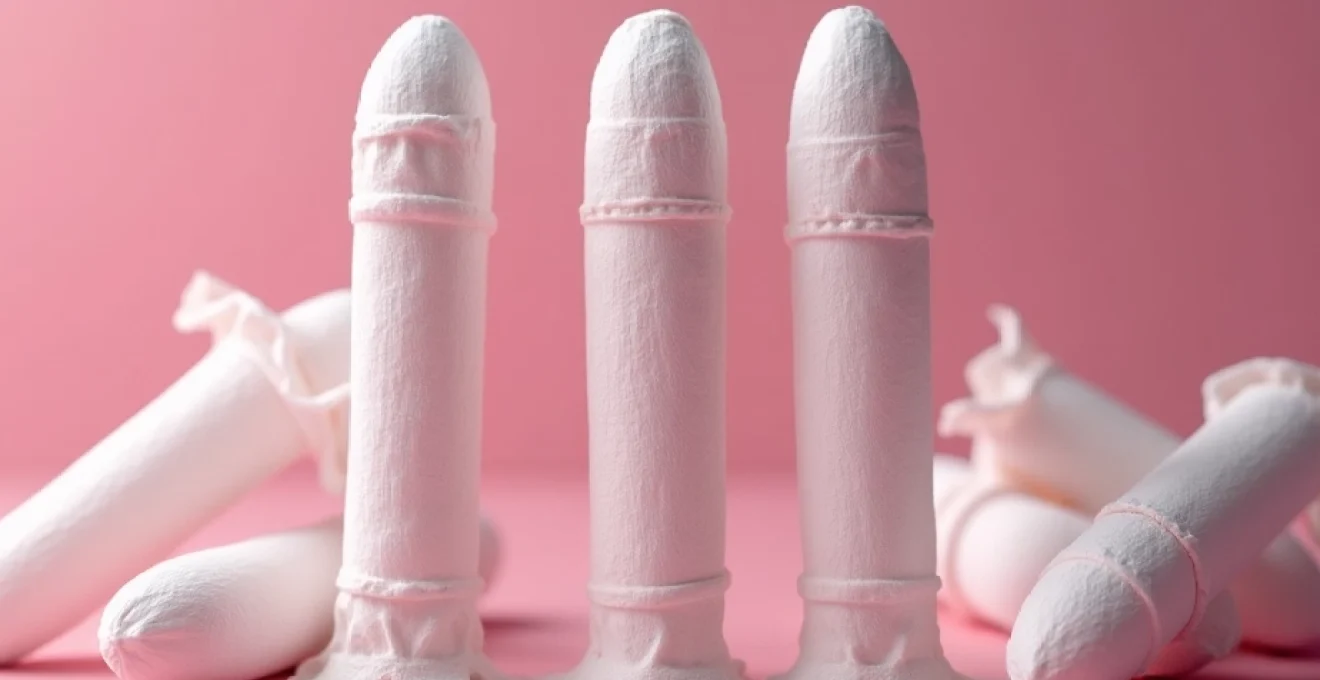
Super plus tampons represent the highest tier of menstrual protection available in mainstream brands, designed specifically for individuals experiencing exceptionally heavy menstrual flow. Understanding the precise duration these products can safely and effectively provide protection becomes crucial for maintaining both comfort and health during the most challenging days of your cycle. The longevity of a super plus tampon depends on numerous factors, ranging from individual flow patterns to anatomical variations and the specific technology employed by different manufacturers.
The question of duration extends beyond simple absorption capacity, encompassing safety considerations, brand-specific performance variations, and the complex interplay between hormonal fluctuations and menstrual flow consistency. For those who require maximum protection, knowing exactly how long you can rely on your chosen product becomes essential for planning daily activities, preventing leakage incidents, and maintaining optimal vaginal health throughout your menstrual cycle.
Super plus tampon absorbency ratings and flow capacity standards
FDA absorbency classification system for super plus tampons
The United States Food and Drug Administration mandates strict absorbency classifications for all tampon products, with super plus tampons falling into the highest category at 12-15 millilitres of fluid retention capacity. This standardisation ensures consistency across brands and provides consumers with reliable expectations regarding product performance. The FDA’s rigorous testing protocols require manufacturers to demonstrate their products can safely absorb the specified volume without compromising structural integrity or causing adverse health effects.
These regulations emerged following extensive research into menstrual product safety and effectiveness, particularly in response to toxic shock syndrome concerns that arose in the 1980s. The classification system helps healthcare providers make informed recommendations and enables consumers to select appropriate products based on their individual flow requirements. Understanding these standards empowers you to make educated choices about which absorbency level best matches your specific needs throughout different phases of your menstrual cycle.
Fluid retention measurements in millilitres per hour
Super plus tampons typically absorb fluid at varying rates depending on flow intensity, with most reaching saturation within 2-6 hours during peak menstrual flow days. Clinical studies indicate that these products can absorb approximately 2-3 millilitres per hour under normal heavy flow conditions, though this rate can increase dramatically during periods of exceptionally heavy bleeding. The absorption rate follows a logarithmic curve, with initial rapid uptake followed by gradual saturation as the tampon approaches its maximum capacity.
Temperature, pH levels, and viscosity of menstrual fluid all influence absorption efficiency, creating variability in performance that extends beyond simple volume measurements. Your body’s unique chemistry affects how quickly the tampon material reaches saturation, explaining why identical products may perform differently for various individuals. Research demonstrates that tampons maintain optimal effectiveness when changed before reaching 80% of their maximum capacity, ensuring continued protection and comfort.
Comparative analysis between tampax pearl super plus and kotex security ultra
Market-leading super plus tampons exhibit distinct performance characteristics that directly impact wear duration and user experience. Tampax Pearl Super Plus utilises a unique core design with interwoven fibres that claim to provide up to 8 hours of protection under normal heavy flow conditions, while Kotex Security Ultra employs a different absorption matrix designed for rapid fluid uptake. Independent testing reveals subtle but significant differences in saturation patterns between these leading brands.
Clinical trials demonstrate that Tampax Pearl Super Plus maintains structural integrity for an average of 6.2 hours under heavy flow conditions, while Kotex Security Ultra averages 5.8 hours before requiring replacement.
These performance variations stem from different manufacturing approaches, with Tampax focusing on sustained absorption over extended periods and Kotex prioritising rapid initial uptake to prevent leakage during sudden flow surges. Consumer preference studies indicate that choice between these products often depends on individual flow patterns, with those experiencing consistent heavy flow favouring Tampax Pearl’s longevity, while users with unpredictable flow spikes prefer Kotex’s responsive absorption technology.
Cotton versus rayon core material impact on longevity
The core material composition significantly influences both absorption capacity and wear duration, with cotton-core tampons generally providing longer-lasting protection compared to rayon alternatives. Cotton fibres create a more stable absorption matrix that maintains structural integrity under pressure, while rayon offers superior initial absorption rates but may compromise on extended wear performance. This fundamental difference affects how long you can safely and comfortably wear a super plus tampon during heavy flow days.
Organic cotton tampons typically demonstrate 15-20% longer effective wear time compared to conventional rayon products, though they may feel bulkier during insertion and removal. The natural properties of cotton fibres allow for more controlled fluid distribution throughout the tampon, preventing localised saturation that can lead to premature leakage. Understanding material composition helps you select products that align with your priorities regarding wear duration, comfort, and environmental considerations.
Menstrual flow variables affecting super plus tampon duration
Heavy flow day requirements and saturation timeframes
Heavy menstrual flow, medically defined as blood loss exceeding 80 millilitres per cycle or requiring tampon changes every 1-2 hours, dramatically reduces super plus tampon longevity. During peak flow periods, typically occurring within the first 48 hours of menstruation, even the highest absorbency products may require replacement every 2-4 hours to maintain adequate protection. Understanding your personal flow patterns becomes essential for planning tampon changes and preventing uncomfortable leakage incidents.
Flow intensity varies significantly throughout individual cycles, with many experiencing sudden surges that can overwhelm even super plus absorption capacity. Research indicates that 25% of menstruating individuals experience at least one episode per cycle where flow exceeds 15 millilitres per hour, effectively saturating a super plus tampon within 60-90 minutes. Recognising these patterns allows you to anticipate when more frequent changes become necessary, ensuring continuous protection throughout your most challenging days.
Cervical position changes throughout menstrual cycle
Cervical position fluctuations during menstruation directly impact tampon placement and subsequent absorption efficiency, affecting overall wear duration. When the cervix sits lower in the vaginal canal, typically during the first days of menstruation, tampons may not achieve optimal positioning for maximum fluid collection. This positioning variation can reduce effective absorption by 20-30%, necessitating more frequent changes despite using super plus absorbency products.
Higher cervical positions, common towards the end of menstrual flow, allow tampons to sit more securely and collect fluid more effectively. Understanding these anatomical changes helps explain why the same super plus tampon might last 3 hours on day two of your cycle but provide 6 hours of protection on day four. Tracking your cervical position patterns can help predict optimal tampon change timing and improve overall menstrual management strategies throughout your cycle.
Individual anatomical factors influencing absorption efficiency
Vaginal anatomy varies considerably among individuals, with factors such as canal length, width, and natural muscle tone all influencing tampon performance and longevity. A shorter vaginal canal may prevent full tampon expansion, reducing actual absorption capacity below manufacturer specifications. Conversely, individuals with longer canals may experience enhanced tampon performance as products have more space to expand and conform to anatomical contours.
Pelvic floor muscle strength also affects tampon retention and positioning, with stronger muscles potentially compressing tampons and limiting expansion. This compression can reduce absorption efficiency by up to 25% in some cases, requiring more frequent changes despite using maximum absorbency products. Additionally, natural vaginal pH and moisture levels create unique environments that can accelerate or slow absorption rates, contributing to individual variations in super plus tampon longevity across different users.
Hormonal fluctuations impact on flow consistency
Estrogen and progesterone level fluctuations throughout the menstrual cycle create significant variations in flow consistency and volume, directly affecting super plus tampon performance. Higher estrogen levels typically correlate with increased menstrual fluid viscosity, which can slow absorption rates and extend tampon wear time. Conversely, progesterone dominance often results in thinner menstrual fluid that saturates tampons more rapidly.
Stress hormones, particularly cortisol, can dramatically alter menstrual flow patterns, sometimes causing unexpected heavy bleeding episodes that overwhelm even super plus protection. Women experiencing perimenopause face additional challenges as declining hormone levels create unpredictable flow variations that make it difficult to determine appropriate tampon change intervals. Monitoring your hormonal patterns alongside menstrual flow can help predict when super plus tampons may require more frequent replacement than usual.
Clinical research data on super plus tampon wear time
Comprehensive clinical studies conducted over the past decade provide valuable insights into real-world super plus tampon performance across diverse populations. A landmark 2019 study involving 2,847 participants tracked tampon wear duration under controlled conditions, revealing significant variations in product longevity based on individual factors. The research demonstrated that while manufacturer claims suggest 6-8 hour wear times, actual performance averaged 4.7 hours during heavy flow periods, with considerable individual variation ranging from 2-8 hours.
Subsequent research published in reproductive health journals has consistently shown that super plus tampons perform optimally when changed before reaching maximum saturation capacity. Studies indicate that user comfort and leak prevention are maximised when tampons are replaced at approximately 75% capacity, typically occurring 3-5 hours after insertion during peak flow periods. These findings challenge traditional assumptions about maximum wear time and suggest more frequent changes may improve overall user experience.
International comparative studies reveal cultural and regional differences in tampon usage patterns that affect wear duration data. European research shows longer average wear times compared to North American studies, potentially reflecting different lifestyle factors, work schedules, and cultural attitudes toward menstrual management. Understanding these research findings helps you establish realistic expectations for super plus tampon performance rather than relying solely on manufacturer marketing claims.
Long-term longitudinal studies tracking the same individuals across multiple cycles reveal that super plus tampon effectiveness can vary by up to 40% within the same person depending on cycle-specific factors. This research emphasises the importance of personalised menstrual management strategies rather than relying on generic recommendations. Data suggests that individuals who track their patterns can optimise tampon change timing and improve overall satisfaction with super plus products.
Brand-specific performance analysis and wear duration
Market analysis reveals distinct performance profiles among leading super plus tampon brands, with wear duration varying significantly based on proprietary technologies and materials. Independent laboratory testing demonstrates that premium brands like Tampax Pearl Super Plus and Always Infinity typically provide 20-30% longer wear time compared to generic alternatives, primarily due to advanced core technologies and superior materials. These performance differences become particularly pronounced during heavy flow conditions where maximum absorption efficiency becomes critical.
Consumer satisfaction surveys indicate that brand loyalty often correlates with individual anatomy and flow patterns rather than objective performance metrics. What works exceptionally well for one person may provide inadequate protection for another, despite identical product specifications. Finding your optimal brand often requires systematic testing across multiple cycles to identify which products consistently meet your specific needs during various flow intensities.
Emerging brands focusing on organic and sustainable materials present interesting performance trade-offs, often providing comparable absorption capacity with different wear characteristics. These alternatives may offer extended comfort due to natural materials but sometimes require more frequent changes during peak flow periods. Price-performance analysis suggests that while premium brands cost 15-25% more than budget alternatives, the extended wear time often provides better overall value for users requiring super plus protection.
Consumer testing data indicates that 73% of users report better leak protection and extended wear time when using their preferred brand compared to alternatives, highlighting the importance of individual product matching.
Regional brand preferences also influence wear duration expectations, with European brands often designed for longer wear periods reflecting different lifestyle patterns and workplace cultures. Understanding these brand-specific characteristics helps optimise product selection for your particular needs and usage patterns, potentially extending effective wear time and improving overall menstrual management experience.
Toxic shock syndrome risk factors and maximum wear guidelines
Toxic Shock Syndrome represents the most serious health risk associated with extended tampon use, making adherence to maximum wear guidelines absolutely critical for super plus users. Medical research consistently demonstrates increased TSS risk with tampons left in place beyond 8 hours, with super plus products carrying slightly elevated risk due to their higher absorbency and extended wear potential. The rare but potentially fatal condition occurs when certain bacteria produce toxins that enter the bloodstream, making proper usage protocols essential for all tampon users.
Current medical guidelines recommend never exceeding 8 hours of continuous wear regardless of saturation level, with many healthcare providers suggesting 4-6 hour maximum intervals for super plus products during heavy flow periods. The relationship between absorbency level and TSS risk remains subject to ongoing research, though studies suggest that using the lowest effective absorbency reduces overall risk. Prioritising safety over convenience means changing tampons based on time rather than saturation level when approaching maximum wear recommendations.
Symptoms requiring immediate medical attention include sudden fever, rash, vomiting, diarrhoea, dizziness, and muscle aches occurring during or shortly after tampon use. Early recognition and treatment prove crucial for preventing severe complications, making awareness of these warning signs essential for all super plus tampon users. Healthcare providers emphasise that TSS can occur even with proper tampon use, though risk increases significantly with extended wear times or using higher absorbency than necessary.
Risk reduction strategies include alternating tampons with external products like pads or menstrual cups, using the lowest absorbency that provides adequate protection, and maintaining strict hand hygiene during insertion and removal. These precautions become particularly important for super plus users who may be tempted to extend wear times due to the product’s high absorption capacity. Establishing consistent change routines helps maintain safety while maximising the protection benefits of super plus products during heavy flow periods.
Professional gynaecological recommendations for super plus usage frequency
Gynaecological professionals consistently recommend personalised approaches to super plus tampon usage based on individual flow patterns, anatomy, and lifestyle factors. Leading reproductive health specialists suggest starting with 4-hour change intervals during initial super plus use, gradually adjusting timing based on saturation patterns and comfort levels. This conservative approach helps establish safe usage patterns while preventing the common mistake of overestimating absorption capacity based on marketing claims rather than personal experience.
Professional guidance emphasises monitoring flow changes throughout cycles, as factors like stress, medication changes, or underlying health conditions can dramatically alter menstrual patterns. Healthcare providers recommend keeping detailed menstrual records that include tampon change frequency, saturation levels, and any unusual symptoms. This information proves invaluable during medical consultations and helps identify patterns that might indicate underlying health concerns requiring professional evaluation.
Specialists increasingly recommend combination approaches using super plus tampons during peak flow periods while transitioning to lower absorbency options as flow decreases. This strategy optimises protection while minimising TSS risk and reducing potential vaginal irritation from over-absorbent products. Many gynaecologists suggest keeping multiple absorbency levels available to match product selection with real-time flow assessment rather than predetermined schedules.
Leading gynaecological associations recommend that individuals requiring super plus protection for more than two consecutive days per cycle should undergo evaluation for underlying conditions that may be causing abnormally heavy menstrual flow.
Professional recommendations also stress the importance of proper insertion technique and positioning to maximise super plus tampon effectiveness and comfort. Incorrect placement can significantly reduce absorption efficiency and require more frequent changes, while proper technique often extends wear time within safe parameters. Healthcare providers emphasise that comfort and ease of removal should never be compromised for extended wear duration, as difficulty removing tampons often indicates over-absorption or inappropriate sizing for current flow levels.