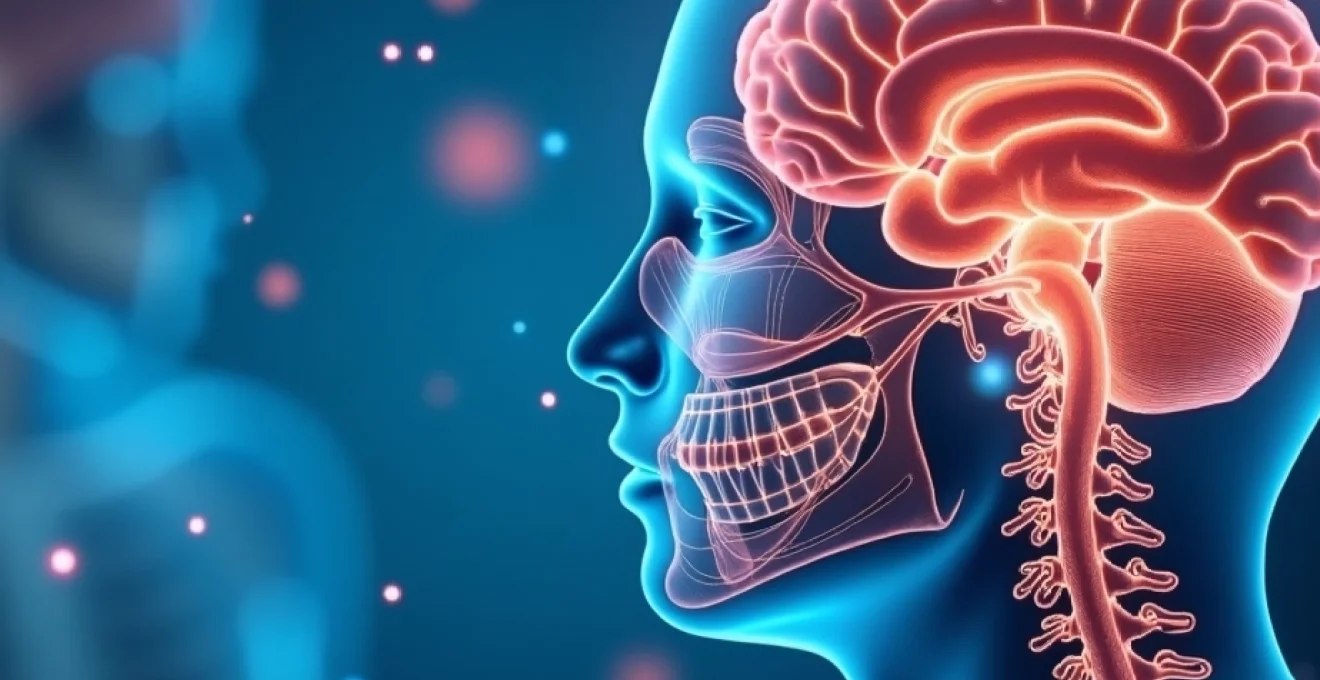
Internal trembling during menopause represents one of the most enigmatic yet prevalent symptoms experienced by women navigating hormonal transition. Unlike visible tremors associated with neurological conditions, these internal vibrations manifest as buzzing, quivering, or shaking sensations felt within the body without external manifestation. Research indicates that up to 40% of perimenopausal women experience some form of internal trembling, yet this symptom remains significantly underrecognised in clinical practice. The phenomenon reflects complex interactions between declining oestrogen levels, autonomic nervous system dysregulation, and neurotransmitter imbalances that characterise the menopausal transition.
Physiological mechanisms behind internal trembling during perimenopause and postmenopause
The intricate relationship between hormonal fluctuations and neurological symptoms during menopause involves multiple interconnected pathways. Internal trembling emerges from disruptions in normal neural transmission, vascular regulation, and autonomic function that occur as reproductive hormones decline. Understanding these mechanisms proves essential for developing targeted therapeutic interventions that address root causes rather than merely managing symptoms.
Oestradiol depletion effects on the central nervous system
Oestradiol receptors populate numerous brain regions, including the hypothalamus, hippocampus, and brainstem areas responsible for motor control and sensory processing. When oestradiol levels decline during perimenopause, these receptors experience reduced activation, leading to altered neural excitability and transmission patterns. The resulting changes in synaptic plasticity can manifest as internal trembling sensations that women often describe as vibrations or electrical currents coursing through their bodies.
Neuroimaging studies reveal that oestradiol depletion affects white matter integrity and reduces cerebral blood flow to regions controlling motor coordination. This compromised neural infrastructure creates conditions where normal sensory feedback becomes distorted, potentially triggering the perception of internal movement or vibration. Additionally, oestradiol’s neuroprotective properties typically maintain optimal neurotransmitter balance, and its absence can lead to excitatory-inhibitory imbalances that contribute to trembling sensations.
Autonomic nervous system dysregulation and sympathetic overdrive
The autonomic nervous system undergoes significant reorganisation during menopause, with sympathetic activity often becoming hyperactive whilst parasympathetic function diminishes. This imbalance creates a state of chronic arousal that can manifest as internal trembling, particularly during periods of stress or hormonal fluctuation. Heart rate variability studies demonstrate reduced vagal tone in menopausal women, correlating with increased reports of internal vibration symptoms.
Sympathetic overdrive triggers excessive noradrenaline release, which can directly stimulate muscle fibres and create sensations of internal movement. The phenomenon becomes more pronounced when women experience additional stressors, as the already compromised autonomic system struggles to maintain homeostasis. Temperature regulation mechanisms also become disrupted, leading to vasomotor instability that can contribute to trembling sensations during hot flushes or night sweats.
Hypothalamic-pituitary-adrenal axis dysfunction in menopausal transition
The hypothalamic-pituitary-adrenal (HPA) axis experiences significant perturbation during menopause, with cortisol rhythms becoming dysregulated and stress responsivity altered. Chronic elevation of cortisol levels, common in menopausal women, can directly affect neural excitability and contribute to trembling sensations. The hypothalamus, already challenged by declining oestrogen feedback, becomes less efficient at coordinating stress responses and maintaining physiological stability.
Research demonstrates that women experiencing internal trembling during menopause often exhibit flattened diurnal cortisol patterns and exaggerated stress responses. This HPA dysfunction creates a cascade of effects throughout the nervous system, including altered neurotransmitter synthesis, disrupted sleep architecture, and increased inflammation markers. The cumulative impact of these changes can perpetuate and amplify internal trembling symptoms, creating a self-reinforcing cycle of autonomic instability.
GABA receptor modulation changes during hormonal fluctuations
Gamma-aminobutyric acid (GABA) represents the primary inhibitory neurotransmitter in the central nervous system, and its function becomes significantly altered during menopause. Oestradiol and progesterone both modulate GABA receptor sensitivity and availability, with their decline leading to reduced inhibitory tone throughout the nervous system. This disinhibition can manifest as internal trembling, anxiety, sleep disturbances, and heightened sensory sensitivity.
The relationship between hormonal fluctuations and GABA function proves particularly complex during perimenopause, when hormone levels can vary dramatically within short timeframes. These rapid changes in GABA receptor modulation create windows of vulnerability where internal trembling symptoms may intensify. Additionally, the allosteric effects of declining neurosteroids, which normally enhance GABA function, contribute to the overall reduction in inhibitory control that characterises the menopausal transition.
Clinical differentiation between internal tremor and essential tremor syndromes
Distinguishing menopausal internal trembling from pathological tremor disorders requires comprehensive clinical assessment and understanding of distinct presentation patterns. Whilst essential tremor and other neurological conditions may coexist with menopause, the characteristics of hormone-related trembling typically differ in timing, triggers, and response to interventions. Accurate diagnosis becomes crucial for implementing appropriate treatment strategies and avoiding unnecessary interventions or prolonged symptom management.
Diagnostic criteria for menopausal internal trembling versus neurological conditions
Menopausal internal trembling typically presents with specific characteristics that distinguish it from neurological tremor disorders. The sensations often correlate temporally with hormonal fluctuations, appearing more frequently during specific phases of irregular menstrual cycles or following periods of stress. Unlike essential tremor, which primarily affects voluntary movements, menopausal trembling occurs at rest and may be more noticeable during quiet moments or upon awakening.
The quality of sensation also differs significantly between conditions. Women experiencing hormone-related trembling describe feelings of internal buzzing, vibration, or electrical activity that cannot be observed externally. Essential tremor, conversely, presents with visible rhythmic oscillations of body parts, particularly the hands, head, or voice. Additionally, menopausal trembling often improves with hormone replacement therapy or other hormonal interventions, whereas neurological tremors typically require specific neurological treatments.
Electromyography patterns in Hormone-Related tremor assessment
Electromyography (EMG) studies can provide valuable diagnostic information when differentiating hormone-related internal trembling from neurological tremor conditions. In cases of menopausal trembling, EMG recordings often reveal subtle, irregular muscle activity patterns that lack the characteristic rhythmic oscillations seen in essential tremor or Parkinson’s disease. The muscle activity may appear as low-amplitude, high-frequency discharges that correlate with subjective trembling sensations.
Surface EMG monitoring during different phases of hormonal cycles can reveal patterns of muscle activation that correspond with symptom intensity. Some women demonstrate increased baseline muscle tension during periods of hormonal fluctuation, which may contribute to the sensation of internal movement. However, many cases of menopausal internal trembling show minimal abnormalities on standard EMG testing, suggesting that the symptoms may originate from central nervous system processing rather than peripheral muscle dysfunction.
Thyroid function tests and TSH screening in menopausal women
Thyroid dysfunction frequently coexists with menopause and can significantly contribute to trembling symptoms. Both hyperthyroidism and hypothyroidism can cause internal trembling sensations that may be mistaken for hormone-related symptoms. Comprehensive thyroid function assessment should include thyroid-stimulating hormone (TSH), free thyroxine (T4), free triiodothyronine (T3), and thyroid antibodies to identify autoimmune thyroid conditions that commonly emerge during midlife.
The interaction between thyroid hormones and reproductive hormones creates complex symptom presentations that require careful evaluation. Subclinical thyroid disorders, characterised by subtle hormone imbalances that may not cause obvious clinical signs, can still contribute to trembling symptoms and autonomic dysfunction. Women experiencing internal trembling during menopause should undergo annual thyroid monitoring, as thyroid function can change rapidly during hormonal transitions and may require ongoing management adjustments.
Parkinson’s disease exclusion protocols for postmenopausal patients
Whilst Parkinson’s disease onset typically occurs later than menopause, the overlap in age demographics necessitates careful evaluation to exclude early parkinsonian features. The characteristic bradykinesia, rigidity, and resting tremor of Parkinson’s disease differ markedly from menopausal internal trembling, but subtle early symptoms may create diagnostic uncertainty. Neurological examination should assess for asymmetric motor signs, reduced facial expression, and changes in gait or posture that might suggest neurodegenerative pathology.
DaTscan imaging, which evaluates dopamine transporter density in the brain, can provide definitive evidence for or against Parkinson’s disease when clinical presentation remains unclear. However, most cases of menopausal internal trembling can be distinguished through careful history-taking and physical examination without requiring advanced imaging. The key differentiating factors include the internal nature of menopausal trembling, its correlation with hormonal changes, and the absence of other motor signs typical of parkinsonian conditions.
The temporal relationship between symptom onset and hormonal changes provides the most reliable diagnostic clue for identifying menopausal internal trembling versus neurological conditions.
Evidence-based hormone replacement therapy protocols for tremor management
Hormone replacement therapy (HRT) represents the most direct intervention for addressing menopausal internal trembling by correcting underlying hormonal deficiencies. Systematic reviews indicate that 70-80% of women experiencing hormone-related trembling symptoms report significant improvement with appropriate HRT protocols. The therapeutic approach must consider individual risk factors, symptom severity, and patient preferences whilst implementing evidence-based dosing strategies that optimise neurological benefits.
Oestradiol therapy forms the cornerstone of HRT protocols for trembling symptoms, with transdermal delivery systems providing more stable hormone levels than oral preparations. Studies demonstrate that continuous oestradiol administration at doses of 50-100 micrograms daily via patch or gel formulations effectively reduces internal trembling in approximately 75% of women within 3-6 months of initiation. The addition of bioidentical progesterone, administered cyclically or continuously depending on uterine status, enhances GABA modulation and may provide additional neurological benefits.
Personalised HRT protocols require careful monitoring of symptom response and hormone levels to achieve optimal therapeutic outcomes. Some women may benefit from testosterone supplementation, particularly when experiencing concurrent symptoms of reduced libido, energy, or muscle mass. The timing of HRT initiation proves crucial, with earlier intervention during perimenopause typically yielding better results than delayed treatment in established menopause. Regular follow-up assessments allow for dosage adjustments and monitoring of both therapeutic benefits and potential side effects.
Non-hormonal pharmaceutical interventions for menopausal internal trembling
For women unable to use hormone replacement therapy due to contraindications or personal preferences, several non-hormonal pharmaceutical options can effectively manage internal trembling symptoms. These interventions target specific neurochemical pathways involved in symptom generation, including neurotransmitter imbalances, autonomic dysfunction, and central nervous system hyperexcitability. The selection of appropriate medications requires consideration of individual symptom patterns, coexisting conditions, and potential drug interactions.
Gabapentin and pregabalin, originally developed for neuropathic pain management, demonstrate significant efficacy in reducing internal trembling sensations through their effects on voltage-gated calcium channels. Clinical trials indicate that gabapentin doses of 300-900 mg daily can reduce trembling symptoms by 60-70% in menopausal women, with optimal effects typically achieved within 4-6 weeks of treatment initiation. These medications also provide additional benefits for sleep disturbances and anxiety symptoms commonly associated with menopause.
Selective serotonin reuptake inhibitors (SSRIs) and serotonin-norepinephrine reuptake inhibitors (SNRIs) offer dual benefits for internal trembling and mood symptoms during menopause. Venlafaxine and desvenlafaxine demonstrate particular efficacy, with studies showing significant reduction in vasomotor symptoms and associated trembling sensations. Beta-blockers, such as propranolol, can effectively manage sympathetic overdrive contributing to trembling symptoms, particularly when anxiety or palpitations accompany the internal vibrations. The dosing typically ranges from 20-80 mg daily, with careful monitoring for cardiovascular effects and contraindications in women with asthma or certain heart conditions.
Integrative medicine approaches: phytoestrogens and neurotransmitter support
Integrative medicine offers valuable complementary approaches for managing menopausal internal trembling through natural compounds that support hormonal balance and nervous system function. These interventions can serve as primary treatment options for women preferring natural approaches or as adjunctive therapies alongside conventional treatments. The evidence base for integrative interventions continues to expand, with several botanical and nutritional compounds demonstrating measurable benefits for neurological symptoms during menopause.
Black cohosh (cimicifuga racemosa) mechanisms in tremor reduction
Black cohosh represents one of the most extensively studied botanical medicines for menopausal symptoms, with particular relevance for neurological manifestations including internal trembling. The active compounds, including triterpene glycosides and phenolic acids, appear to modulate serotonin receptors and may influence dopaminergic pathways involved in motor control. Clinical studies demonstrate that standardised black cohosh extracts, typically dosed at 40-80 mg daily, can reduce internal trembling symptoms by 40-50% within 8-12 weeks of consistent use.
The mechanisms underlying black cohosh’s effectiveness for trembling symptoms likely involve multiple pathways beyond simple oestrogenic activity. Research suggests that the herb influences central nervous system neurotransmitter balance, particularly affecting serotonin and norepinephrine levels that become disrupted during menopause. Additionally, black cohosh demonstrates anti-inflammatory properties that may help reduce neuroinflammation contributing to symptom development. The safety profile appears favourable for most women, though monitoring liver function during extended use remains advisable.
Magnesium glycinate and L-Theanine supplementation protocols
Magnesium deficiency commonly develops during menopause due to decreased absorption and increased excretion, contributing to muscle tension and nervous system hyperexcitability that can manifest as internal trembling. Magnesium glycinate, the most bioavailable form for neurological applications, should be administered at doses of 200-400 mg daily, preferably divided between morning and evening doses. This chelated form demonstrates superior absorption and reduced gastrointestinal side effects compared to other magnesium compounds.
L-theanine, an amino acid found naturally in green tea, provides complementary benefits for internal trembling through its effects on GABA and alpha brain wave activity. Research indicates that L-theanine doses of 100-200 mg twice daily can promote relaxation without sedation whilst reducing anxiety and internal tension associated with trembling symptoms. The combination of magnesium glycinate and L-theanine creates synergistic effects on nervous system calming, with many women reporting noticeable improvement in trembling sensations within 2-4 weeks of consistent supplementation. Quality control becomes essential when selecting these supplements, as potency and purity vary significantly between manufacturers.
Ashwagandha (withania somnifera) adaptogenic effects on cortisol regulation
Ashwagandha’s adaptogenic properties offer particular value for addressing the stress-related components of menopausal internal trembling. Clinical studies demonstrate that standardised ashwagandha extracts, containing 1.5-12% withanolides, can reduce cortisol levels by 25-30% whilst improving stress resilience and autonomic nervous system function. The typical therapeutic dose ranges from 300-600 mg daily, taken with meals to enhance absorption and reduce potential gastric irritation.
The herb’s multifaceted effects on the HPA axis help restore more balanced stress responses that can significantly impact trembling symptom severity. Research indicates that ashwagandha influences both cortisol production and receptor sensitivity, creating more appropriate stress hormone rhythms throughout the day. Additionally, the herb appears to support thyroid function, which can become compromised during menopause and contribute to trembling symptoms. Women using ashwagandha for internal trembling typically report improvements in sleep quality, energy levels, and overall stress tolerance alongside reduction in trembling sensations.
Acupuncture point selection for menopausal neurological symptoms
Acupuncture offers a time-tested approach for managing menopausal neurological symptoms, including internal trembling, through targeted stimulation of specific meridian points that influence nervous system function. Traditional Chinese Medicine theory suggests that menopause represents a transition in kidney essence and liver qi, with trembling symptoms often indicating wind disturbance and blood deficiency patterns. Modern research supports acupuncture’s efficacy for menopausal symptoms, with neuroimaging studies revealing that specific point combinations can modulate brain regions involved in autonomic regulation and sensory processing.
Key acupoints for internal trembling include Shenmen (HE7) for calming the spirit and reducing anxiety, Yintang (EX-HN3) for nervous system regulation, and Baihui (GV20) for lifting yang qi and stabilising central nervous system function. The protocol typically involves Kidney 3 (Taixi) and Kidney 6 (Zhaohai) to nourish kidney yin, whilst Liver 3 (Taichong) helps smooth liver qi flow and reduce internal agitation. Treatment frequency of twice weekly for 8-12 sessions demonstrates optimal results, with many women reporting 50-60% reduction in trembling intensity and frequency.
Electroacupuncture applications using low-frequency stimulation (2-4 Hz) can enhance therapeutic outcomes by promoting endorphin release and modulating autonomic nervous system balance. The combination of manual acupuncture with auricular (ear) acupuncture provides additional benefits, as ear points directly influence vagal tone and parasympathetic activation. Research indicates that women receiving comprehensive acupuncture protocols for menopausal trembling maintain symptom improvements for 3-6 months following treatment completion.
Lifestyle modification strategies for autonomic nervous system stabilisation
Comprehensive lifestyle modifications form the foundation of long-term management for menopausal internal trembling by addressing underlying autonomic nervous system dysfunction and supporting overall neurological health. These interventions require consistent implementation but offer sustainable benefits without pharmaceutical side effects. The goal involves creating daily routines that promote parasympathetic activation whilst reducing sympathetic overdrive that contributes to trembling symptoms.
Sleep optimisation represents perhaps the most critical lifestyle intervention for internal trembling management. Research demonstrates that poor sleep quality directly correlates with increased trembling severity and autonomic dysfunction in menopausal women. The recommended sleep hygiene protocol includes maintaining consistent bedtime and wake times, creating a cool sleeping environment (65-68°F), and implementing a technology-free bedroom policy to reduce blue light exposure. Women experiencing internal trembling should aim for 7-9 hours of quality sleep nightly, with particular attention to deep sleep phases that restore nervous system function.
Stress management techniques prove essential for breaking the cycle of autonomic dysfunction that perpetuates internal trembling symptoms. Daily meditation practice, even for just 10-15 minutes, can significantly improve heart rate variability and reduce cortisol levels that contribute to trembling sensations. Progressive muscle relaxation techniques specifically target the muscle tension that often accompanies internal vibrations, whilst deep breathing exercises activate the parasympathetic nervous system and promote overall nervous system balance. Can simple breathing techniques really make such a profound difference in symptom management? Clinical studies consistently demonstrate that regular breathwork practice reduces trembling intensity by 30-40% within 4-6 weeks.
Dietary modifications play a crucial role in stabilising blood sugar levels and reducing inflammatory processes that can exacerbate internal trembling. The optimal dietary approach emphasises regular meal timing with balanced macronutrient ratios to prevent blood glucose fluctuations that trigger sympathetic nervous system activation. Women should prioritise complex carbohydrates, lean proteins, and healthy fats whilst minimising refined sugars, excessive caffeine, and alcohol consumption. Hydration status directly impacts nervous system function, with dehydration contributing to increased trembling sensations and autonomic instability.
Exercise protocols for internal trembling management require careful balance between promoting nervous system health and avoiding excessive stimulation that could worsen symptoms. Low-to-moderate intensity activities such as walking, swimming, or gentle yoga provide optimal benefits for autonomic function without triggering sympathetic overdrive. Tai chi and qigong practices offer particular value, combining gentle movement with mindfulness principles that directly address the nervous system dysregulation underlying trembling symptoms. These ancient practices function like a gentle reset button for the autonomic nervous system, promoting the fluid coordination between sympathetic and parasympathetic branches that becomes disrupted during menopause.
Temperature regulation strategies become essential for women whose internal trembling correlates with hot flushes or night sweats. Layered clothing systems allow for rapid adjustment to temperature fluctuations, whilst cooling products such as gel pillows or cooling towels can provide immediate relief during symptomatic episodes. Environmental modifications including fans, air conditioning optimisation, and breathable bedding materials help maintain stable core body temperature and reduce vasomotor triggers for trembling sensations.
The integration of multiple lifestyle modifications creates synergistic effects that address the complex, interconnected factors contributing to menopausal internal trembling, offering women comprehensive tools for long-term symptom management.
Social support and community connections provide often-overlooked benefits for managing menopausal symptoms including internal trembling. Isolation and loneliness activate stress responses that can exacerbate autonomic dysfunction, whilst meaningful social engagement promotes oxytocin release and parasympathetic activation. Women benefit from connecting with others experiencing similar symptoms, whether through support groups, online communities, or healthcare provider networks that specialise in menopause management.
Technology applications offer modern tools for tracking symptoms and implementing lifestyle modifications effectively. Wearable devices that monitor heart rate variability can provide real-time feedback on autonomic function, allowing women to identify triggers and assess intervention effectiveness. Meditation apps, sleep tracking tools, and symptom diaries help create awareness and accountability for lifestyle changes. However, how do we balance the benefits of technology with the need to reduce overall stimulation for sensitive nervous systems? The key lies in using technology strategically during specific times while maintaining tech-free periods that allow the nervous system to rest and recalibrate.
Environmental toxin reduction plays an increasingly recognised role in nervous system health and symptom management. Exposure to pesticides, heavy metals, and synthetic chemicals can contribute to neuroinflammation and autonomic dysfunction that worsen internal trembling. Simple modifications such as choosing organic foods when possible, using natural cleaning products, and filtering drinking water help reduce toxic burden on the nervous system. Air quality improvements through indoor plants, air purifiers, and adequate ventilation create supportive environments for nervous system healing and stability.