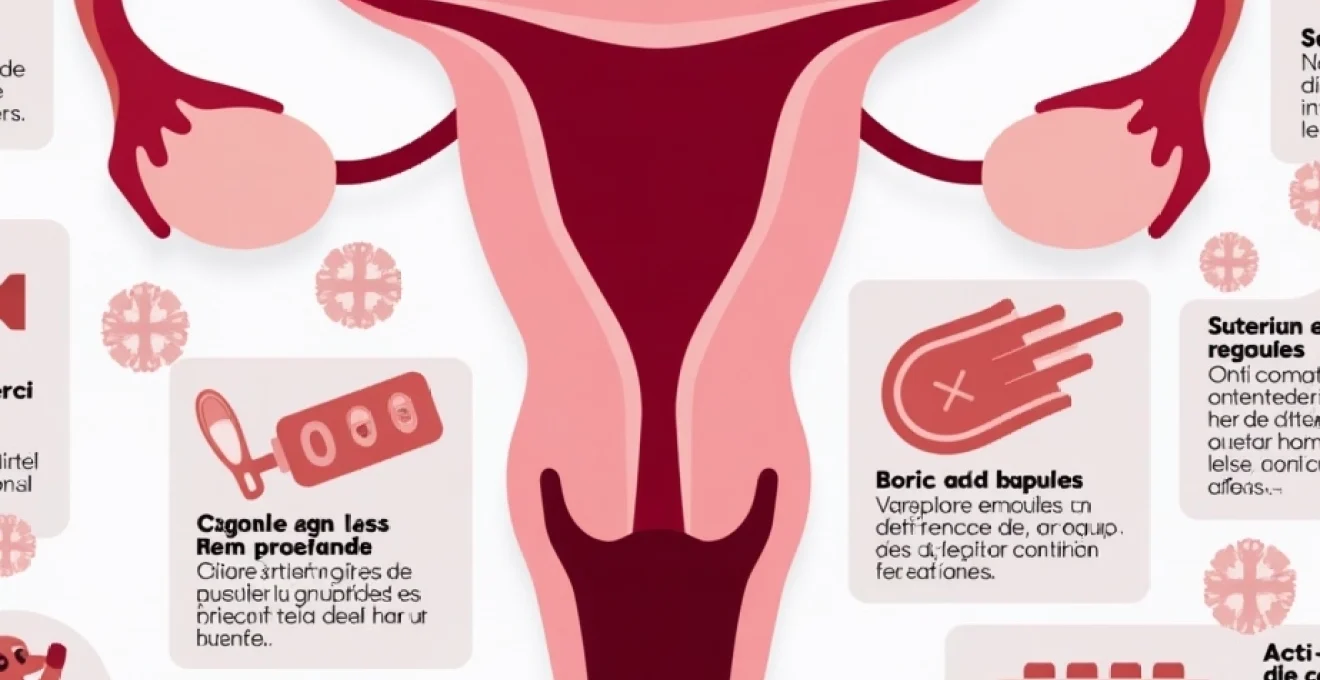
Intimate health concerns often prompt women to seek immediate relief, sometimes leading to questions about proper product usage. Vagisil products are specifically formulated for external application on the vulvar area, yet confusion persists regarding their internal use. Understanding the fundamental differences between external and internal vaginal anatomy is crucial for safe intimate care practices. The vaginal canal maintains a delicate ecosystem that differs significantly from external skin, requiring specialised consideration when selecting appropriate treatments.
Medical professionals consistently emphasise that products designed for external use should never be applied internally without explicit guidance. The distinction between vulvar skin and vaginal mucosa represents more than anatomical semantics—it reflects critical differences in absorption rates, pH sensitivity, and microbial balance maintenance. Women experiencing intimate discomfort deserve accurate information to make informed decisions about their health and wellbeing.
Vagisil product formulation and active ingredients analysis
Vagisil’s formulation reflects decades of research into external intimate skin care, incorporating specific concentrations of active ingredients designed for topical application. The brand’s medicated creams contain carefully calibrated components that provide numbing relief whilst maintaining compatibility with external genital skin. Understanding these formulations helps explain why internal application poses significant risks and complications.
The primary distinction lies in how these ingredients interact with different tissue types. External vulvar skin possesses protective barriers and resilience mechanisms that internal vaginal tissue lacks. Manufacturing standards for external-use products differ substantially from those intended for internal application, reflecting varying safety requirements and absorption considerations.
Benzocaine concentration levels in vagisil external cream
Benzocaine serves as the primary anaesthetic component in many Vagisil formulations, typically present at concentrations between 2-20% depending on the specific product variant. These concentration levels are optimised for external skin penetration and provide effective numbing without causing systemic complications when used as directed. However, internal application of these concentrations can lead to severe mucosal irritation and unexpected systemic absorption patterns.
The molecular structure of benzocaine allows for controlled absorption through keratinised external skin layers, but vaginal mucosa lacks this protective keratinisation. This fundamental difference means that identical concentrations can produce dramatically different effects when applied to internal versus external tissues. Research indicates that mucosal absorption rates can exceed dermal absorption by factors of 10-50, depending on the specific compound involved.
Resorcinol chemical properties and vaginal tissue absorption
Resorcinol functions as an antiseptic agent in maximum-strength Vagisil formulations, providing antimicrobial properties suitable for external skin application. This compound demonstrates keratolytic properties, meaning it helps remove dead skin cells and can penetrate through external skin barriers effectively. When applied to vaginal mucosa, however, resorcinol can cause significant chemical irritation and disrupt natural protective mechanisms.
The absorption kinetics of resorcinol through vaginal tissue present particular concerns due to the compound’s potential for systemic effects. Studies demonstrate that resorcinol absorption through mucosal surfaces can lead to methemoglobinemia in sensitive individuals, a condition where oxygen-carrying capacity of blood becomes compromised. Internal application multiplies these risks considerably compared to external use patterns.
Ph balance alterations from topical antiseptic components
Vaginal pH maintenance requires precise balance, typically ranging between 3.8-4.5 in healthy reproductive-age women. Vagisil’s formulation includes preservatives and stabilisers that can significantly alter this delicate pH environment when introduced internally. The vaginal ecosystem depends on lactobacillus bacteria to maintain acidic conditions that prevent pathogenic overgrowth and infection.
External products like Vagisil often contain buffering agents and pH adjusters optimised for skin compatibility rather than vaginal flora preservation. Internal application can disrupt lactobacillus colonies , leading to bacterial vaginosis, yeast overgrowth, or other complications. Research consistently demonstrates that pH disruption represents one of the most significant risk factors for developing recurrent vaginal infections.
Preservative agents and potential mucosal irritation factors
Commercial intimate care products contain various preservatives to ensure shelf stability and prevent contamination during external use. Common preservatives in Vagisil formulations include parabens, phenoxyethanol, and other antimicrobial compounds that can cause significant mucosal irritation when applied internally. These ingredients are safe for external skin contact but can trigger inflammatory responses in sensitive vaginal tissues.
The concentration levels of preservatives in external products often exceed what internal tissues can tolerate safely. Vaginal mucosa demonstrates heightened sensitivity to chemical irritants compared to external skin, making it vulnerable to contact dermatitis and allergic reactions from preservative exposure. Chronic exposure to inappropriate preservatives can lead to persistent inflammation and increased susceptibility to infections.
Internal vaginal application risks and contraindications
Medical literature extensively documents the complications arising from internal application of external-use intimate products. These risks extend beyond immediate irritation to include long-term consequences affecting reproductive health and vaginal ecosystem stability. Healthcare providers consistently observe increased infection rates, chemical burns, and chronic inflammatory conditions among women who misuse external products internally.
The severity of complications varies based on individual sensitivity, frequency of misuse, and specific product formulations involved. Some women experience immediate adverse reactions, whilst others develop gradual symptoms that may not be immediately attributed to inappropriate product use. Understanding these risks empowers women to make informed decisions about their intimate care routines and seek appropriate medical guidance when needed.
Vaginal epithelium disruption from External-Use formulations
The vaginal epithelium consists of multiple layers of cells that provide protection whilst maintaining permeability for natural functions. External products contain detergents, emulsifiers, and other agents that can strip away protective cell layers and compromise epithelial integrity. This disruption creates entry points for pathogenic bacteria and increases vulnerability to sexually transmitted infections.
Healing mechanisms in vaginal tissue differ significantly from external skin repair processes. Epithelial damage from inappropriate product use can persist for weeks , during which time women remain at elevated risk for complications. Studies indicate that repeated epithelial disruption can lead to chronic inflammation and increased rates of bacterial vaginosis recurrence.
Lactobacillus flora imbalance and dysbiosis complications
Healthy vaginal flora depends on lactobacillus species that produce lactic acid and hydrogen peroxide, maintaining environmental conditions hostile to pathogenic organisms. External products often contain antimicrobial agents that indiscriminately eliminate beneficial bacteria alongside potential pathogens. This disruption creates opportunities for opportunistic organisms to establish infections.
Dysbiosis resulting from inappropriate product use can persist long after the initial exposure, requiring targeted interventions to restore healthy microbial balance. Probiotic supplementation and medical treatment may be necessary to re-establish normal flora following significant disruption. Research demonstrates that some women experience months of recurrent infections following single episodes of inappropriate internal product use.
Chemical burns and mucosal inflammation pathophysiology
Chemical burns from inappropriate internal application of external products represent serious medical emergencies requiring immediate professional intervention. The high concentration of active ingredients in external formulations can cause tissue necrosis and severe inflammatory responses when applied to delicate vaginal mucosa. These injuries often require surgical intervention and extended healing periods.
The pathophysiology of chemical burns involves protein denaturation and cellular damage that extends beyond the immediate contact area. Inflammatory cascades triggered by chemical exposure can affect surrounding tissues and compromise overall vaginal health for extended periods. Medical literature documents cases requiring skin grafts and reconstructive procedures following severe chemical burns from inappropriate product use.
Systemic absorption through vaginal mucosa mechanisms
Vaginal mucosa demonstrates enhanced absorption characteristics compared to external skin, potentially leading to systemic toxicity from compounds intended for topical use only. The rich vascular supply and thin epithelial barriers facilitate rapid absorption of medications and chemicals into systemic circulation. This enhanced absorption can result in unexpected side effects and drug interactions.
Benzocaine absorption through vaginal mucosa can reach levels sufficient to cause methemoglobinemia, a potentially life-threatening condition affecting oxygen transport in the blood. Systemic toxicity symptoms may not appear immediately , making it difficult to identify the connection between inappropriate product use and subsequent health complications. Healthcare providers must maintain awareness of these possibilities when evaluating patients with unexplained symptoms.
Clinical evidence from gynaecological case studies
Gynaecological literature contains numerous case reports documenting complications from inappropriate internal use of external intimate products. These studies consistently demonstrate patterns of chemical irritation, microbial disruption, and inflammatory responses that require medical intervention. A comprehensive review of published cases reveals that complications often persist weeks beyond the initial exposure, indicating significant tissue damage and healing impairment.
Emergency departments report increasing numbers of women seeking treatment for vaginal burns and severe irritation following inappropriate product use. These cases often require specialised gynaecological consultation and extended treatment protocols to address both immediate complications and long-term healing concerns. Medical professionals emphasise that many of these injuries could be prevented through proper product education and awareness.
Healthcare providers consistently observe that women who use external intimate products internally experience significantly higher rates of recurrent infections and chronic inflammatory conditions compared to those who use products as directed.
Recent clinical surveys indicate that approximately 15-20% of women have attempted internal use of external intimate products at some point, often based on misconceptions about product interchangeability. Follow-up studies reveal that women who receive proper education about appropriate product use demonstrate significantly lower rates of vaginal complications and infections. This evidence underscores the importance of clear labelling and comprehensive patient education regarding intimate care products.
Fda-approved internal vaginal treatment alternatives
The Food and Drug Administration maintains strict standards for products intended for internal vaginal use, requiring extensive safety testing and efficacy studies. These regulations ensure that internal products meet specific criteria for pH compatibility, antimicrobial safety, and mucosal tolerance. FDA-approved alternatives provide safe, effective options for women seeking internal vaginal treatments for various conditions.
Understanding available FDA-approved options helps women make informed decisions about their intimate health care. These products undergo rigorous testing to ensure compatibility with vaginal physiology and microbial balance. Healthcare providers can recommend appropriate alternatives based on individual symptoms, medical history, and specific treatment goals.
Miconazole and clotrimazole antifungal suppositories
Miconazole and clotrimazole represent gold-standard treatments for vaginal yeast infections, available in suppository form specifically designed for internal application. These azole antifungals demonstrate proven efficacy against Candida species whilst maintaining compatibility with vaginal pH and normal flora. Treatment protocols typically involve 1-7 day courses depending on the specific formulation and infection severity.
The suppository delivery system ensures targeted medication release whilst minimising systemic absorption and side effects. These products undergo extensive safety testing to verify appropriate dissolution rates, pH compatibility, and mucosal tolerance. Clinical studies consistently demonstrate cure rates exceeding 80% for uncomplicated vaginal yeast infections when these medications are used as directed.
Metronidazole gel for bacterial vaginosis treatment
Metronidazole gel provides targeted treatment for bacterial vaginosis whilst preserving beneficial lactobacillus populations more effectively than oral antibiotic therapy. The gel formulation delivers medication directly to affected tissues whilst maintaining appropriate pH levels and minimising systemic side effects. Treatment typically involves once or twice daily application for 5-7 days, depending on the specific protocol prescribed.
Clinical trials demonstrate that vaginal metronidazole gel achieves cure rates comparable to oral therapy whilst reducing gastrointestinal side effects and drug interactions. The targeted delivery approach minimises disruption to intestinal flora and reduces the risk of secondary yeast infections commonly associated with systemic antibiotic therapy. Healthcare providers often prefer this approach for patients with gastrointestinal sensitivity or complex medication regimens.
Boric acid capsules for recurrent candidiasis management
Boric acid suppositories provide an alternative treatment option for recurrent or azole-resistant vaginal yeast infections. These capsules work by creating an acidic environment that inhibits fungal growth whilst supporting beneficial bacterial populations. Treatment protocols typically involve 600mg capsules inserted vaginally once daily for 7-14 days, depending on the specific clinical indication.
Research demonstrates particular efficacy against non-albicans Candida species that may be resistant to conventional antifungal therapy. Boric acid treatment often succeeds where traditional therapies fail , making it valuable for managing complicated or recurrent infections. However, this treatment requires medical supervision due to potential toxicity concerns and specific contraindications in pregnancy.
Emergency response protocol for accidental internal use
Accidental or intentional internal application of external intimate products requires immediate medical assessment to prevent serious complications. The response protocol begins with immediate discontinuation of the product and thorough irrigation with saline solution if possible. Time represents a critical factor in minimising tissue damage and preventing systemic absorption of potentially harmful compounds.
Healthcare providers recommend immediate medical consultation following any internal application of external products, even if symptoms seem minimal initially. Chemical burns and inflammatory responses can develop gradually, making early intervention crucial for optimal outcomes. Emergency departments maintain specific protocols for managing these exposures, including supportive care, monitoring for systemic effects, and specialist consultation when indicated.
Medical professionals emphasise that prompt irrigation with sterile saline solution can significantly reduce tissue damage and improve healing outcomes following inappropriate internal product exposure.
Long-term monitoring may be necessary following significant exposure, particularly for women who develop persistent symptoms or recurrent infections. Follow-up care often involves gynaecological evaluation to assess healing progress and address any ongoing complications. Patient education about appropriate intimate care practices becomes essential to prevent future incidents and promote optimal vaginal health maintenance.