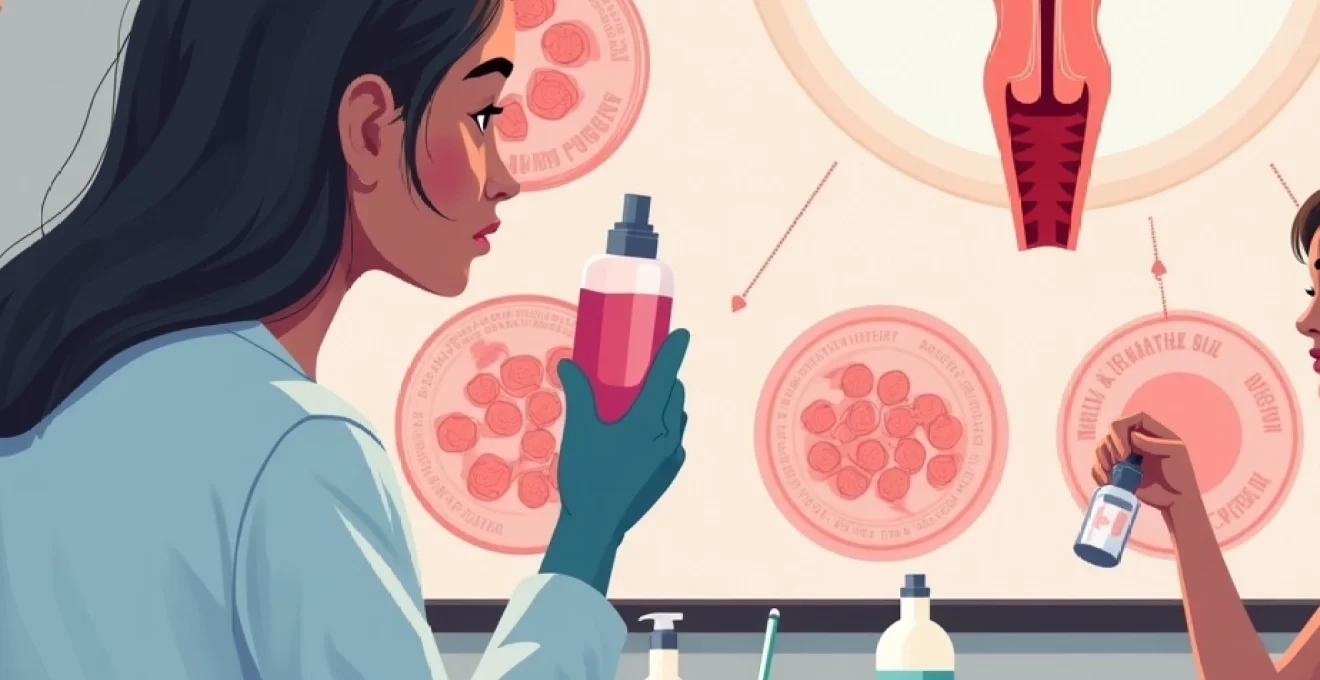
The question of hydrogen peroxide safety for vaginal applications has sparked considerable debate within both medical communities and online health forums. As women increasingly seek alternative treatments for conditions such as bacterial vaginosis and vaginal infections, hydrogen peroxide has emerged as a popular home remedy despite limited clinical validation. This antiseptic solution, commonly found in household first aid kits, presents a complex profile of potential benefits and significant risks when applied to the delicate vaginal ecosystem. Understanding the scientific evidence surrounding hydrogen peroxide’s effects on vaginal tissues requires careful examination of its chemical properties, clinical research outcomes, and documented adverse events. The stakes are particularly high given that the vaginal environment relies on a precise balance of beneficial bacteria and optimal pH levels to maintain health and prevent infections.
Hydrogen peroxide chemical properties and vaginal tissue interactions
Hydrogen peroxide functions as a powerful oxidising agent through its ability to release reactive oxygen species upon contact with organic tissues. This mechanism, whilst effective for disinfecting external wounds, presents unique challenges when applied to the sensitive mucosal membranes of the vaginal tract. The vaginal epithelium consists of stratified squamous epithelial cells that are significantly more delicate than external skin tissues, making them particularly susceptible to chemical irritation and cellular damage.
Oxidative stress mechanisms in vaginal epithelial cells
When hydrogen peroxide encounters vaginal epithelial cells, it triggers a cascade of oxidative reactions that can overwhelm the tissue’s natural antioxidant defences. The cellular mitochondria, responsible for energy production, become particularly vulnerable to oxidative damage. This process can lead to compromised cellular function, inflammation, and potential tissue necrosis in severe cases. Research indicates that vaginal epithelial cells possess limited catalase activity compared to other body tissues, making them less capable of neutralising hydrogen peroxide’s harmful effects.
The reactive oxygen species generated by hydrogen peroxide can also disrupt cellular membrane integrity, affecting the barrier function that protects against pathogenic microorganisms. This paradoxical effect means that whilst hydrogen peroxide may initially kill harmful bacteria, it simultaneously weakens the body’s natural defence mechanisms against future infections.
Ph disruption and lactobacillus colony depletion effects
The vaginal microbiome maintains a delicate pH balance typically ranging between 3.8 and 4.5, primarily through the action of beneficial lactobacillus bacteria. These microorganisms produce lactic acid and natural hydrogen peroxide in controlled quantities, creating an environment hostile to pathogenic bacteria whilst supporting healthy vaginal function. External application of concentrated hydrogen peroxide disrupts this carefully maintained ecosystem.
Clinical observations demonstrate that hydrogen peroxide applications can significantly reduce lactobacillus populations, leading to a condition known as cytolytic vaginosis. This disruption allows opportunistic pathogens to colonise the vaginal environment, potentially triggering recurrent infections or worsening existing conditions. The recovery of beneficial bacterial populations following hydrogen peroxide exposure can take several weeks, during which time patients remain vulnerable to various vaginal infections.
Concentration-dependent cytotoxicity in mucosal membranes
The concentration of hydrogen peroxide plays a crucial role in determining the extent of tissue damage. Standard household hydrogen peroxide typically contains 3% concentration, which studies have shown can cause significant mucosal irritation and cellular death upon direct contact. Even diluted solutions can trigger inflammatory responses in sensitive individuals, manifesting as burning sensations, swelling, and increased vaginal discharge.
Research examining different concentration levels reveals that even minimal amounts of hydrogen peroxide can alter the normal vaginal flora composition. Lower concentrations may appear less immediately harmful but can still contribute to long-term microbiome disruption and increased susceptibility to infections. The mucosal absorption rate in vaginal tissues is considerably higher than in external skin, amplifying the potential for systemic effects from topical applications.
Cellular damage pathways from reactive oxygen species
The generation of reactive oxygen species through hydrogen peroxide exposure activates multiple cellular damage pathways within vaginal tissues. DNA strand breaks can occur when oxidative stress overwhelms cellular repair mechanisms, potentially leading to abnormal cell growth patterns or increased cancer risk over time. Additionally, protein oxidation affects enzyme function and cellular signalling processes essential for maintaining healthy vaginal tissue.
Lipid peroxidation represents another significant concern, as it can compromise cell membrane stability and alter cellular communication. This process particularly affects the tight junctions between epithelial cells, which normally prevent bacterial translocation into deeper tissue layers. When these barriers become compromised, the risk of ascending infections affecting the reproductive tract increases substantially.
Clinical evidence on hydrogen peroxide intravaginal applications
The clinical research landscape surrounding hydrogen peroxide use for vaginal conditions presents a mixed picture of limited positive outcomes overshadowed by significant safety concerns. Most available studies focus primarily on bacterial vaginosis treatment, with researchers examining both efficacy and adverse event profiles across diverse patient populations.
Randomised controlled trials for bacterial vaginosis treatment
A notable study published in the medical literature examined 58 women with recurrent bacterial vaginosis who underwent vaginal irrigation with 30ml of 3% hydrogen peroxide solution for seven consecutive evenings. The research reported symptom elimination in 89% of participants at three-month follow-up, with restoration of normal vaginal pH in 98% of cases. However, this study’s methodology has faced criticism for its small sample size and lack of proper control groups.
Another randomised trial involving 30 women investigated single-dose hydrogen peroxide treatment, reporting complete symptom resolution in 78% of participants after three weeks. Whilst these results appear promising, the studies failed to adequately address long-term safety implications or potential complications arising from repeated use. The absence of standardised treatment protocols and varying concentration levels across studies further complicates the interpretation of results.
Research findings suggest that whilst hydrogen peroxide may provide short-term symptomatic relief, the potential for tissue damage and microbiome disruption raises serious questions about its clinical utility.
Comparative efficacy studies against metronidazole and clindamycin
Several comparative studies have attempted to evaluate hydrogen peroxide’s effectiveness against established bacterial vaginosis treatments such as metronidazole and clindamycin. Initial symptomatic improvement rates showed comparable results between hydrogen peroxide and conventional antibiotics, with elimination of malodorous discharge occurring in similar percentages across treatment groups. However, these studies revealed crucial differences in safety profiles and long-term outcomes.
Antibiotic treatments, despite their own limitations, demonstrated superior safety records with fewer reported adverse events compared to hydrogen peroxide applications. The recurrence rates following hydrogen peroxide treatment showed concerning patterns, with many participants experiencing symptom return within shorter timeframes than those treated with conventional therapies. This suggests that whilst hydrogen peroxide may temporarily eliminate pathogenic bacteria, it fails to address underlying causes or restore healthy vaginal ecology effectively.
Adverse event documentation in gynaecological literature
Medical literature contains numerous reports of adverse events following hydrogen peroxide vaginal applications, ranging from mild irritation to severe chemical burns. A significant percentage of users report immediate burning sensations, with some experiencing prolonged discomfort lasting several days post-application. More serious complications include vaginal ulceration, excessive dryness, and secondary bacterial infections resulting from disrupted protective barriers.
Emergency department presentations have documented cases of severe vaginal burns requiring medical intervention, particularly when patients used undiluted hydrogen peroxide or applied excessive volumes. Healthcare providers have also reported instances of ascending infections following hydrogen peroxide douching, suggesting that the practice may facilitate bacterial migration into the upper reproductive tract. These documented adverse events have contributed to medical professional organisations’ recommendations against hydrogen peroxide use for vaginal applications.
Long-term safety data from longitudinal cohort studies
Long-term safety data remains limited due to the relatively recent emergence of hydrogen peroxide as a popular home remedy for vaginal conditions. Available longitudinal studies suggest that repeated hydrogen peroxide exposure may contribute to chronic vaginal irritation and increased susceptibility to recurrent infections. Some research indicates potential links between frequent hydrogen peroxide use and altered vaginal epithelial cell morphology, though definitive causal relationships require further investigation.
Reproductive health outcomes following hydrogen peroxide exposure have not been extensively studied, creating uncertainty about potential impacts on fertility or pregnancy outcomes. The lack of comprehensive long-term safety data represents a significant gap in clinical knowledge, making it difficult for healthcare providers to fully assess the risk-benefit profile of hydrogen peroxide treatments for vaginal conditions.
Medical professional guidelines and contraindications
Medical professional organisations worldwide have established clear guidelines regarding hydrogen peroxide use for vaginal applications, with most major bodies explicitly recommending against this practice. The Royal College of Obstetricians and Gynaecologists, American College of Obstetricians and Gynecologists, and similar international organisations have issued statements highlighting the potential dangers associated with hydrogen peroxide douching or topical application to vaginal tissues.
Healthcare providers consistently emphasise that the vaginal environment possesses sophisticated self-cleaning mechanisms that do not require external chemical intervention. The natural balance of beneficial bacteria and optimal pH levels typically resolves minor imbalances without intervention, making aggressive treatments like hydrogen peroxide unnecessary and potentially harmful. Medical professionals particularly warn against douching practices, which can force pathogens deeper into the reproductive tract and increase infection risk.
Contraindications for hydrogen peroxide vaginal use include pregnancy, active vaginal infections, recent gynaecological procedures, and any history of vaginal sensitivity or allergic reactions. Pregnant women face additional risks, as hydrogen peroxide absorption through vaginal tissues could potentially affect foetal development, though specific teratogenic effects have not been definitively established. The increased blood flow and tissue sensitivity during pregnancy also amplify the risk of adverse reactions to chemical irritants.
Professional guidelines consistently recommend consulting healthcare providers before attempting any home treatments for vaginal symptoms. Many conditions that patients attempt to self-treat with hydrogen peroxide actually require specific medical interventions, and delayed appropriate treatment can lead to serious complications. Healthcare providers can accurately diagnose underlying conditions and prescribe evidence-based treatments with established safety profiles.
Alternative Evidence-Based treatments for vaginal health conditions
Evidence-based alternatives to hydrogen peroxide offer safer and more effective approaches to managing common vaginal health conditions. Probiotic supplementation has gained significant scientific support for maintaining and restoring healthy vaginal microbiomes. Lactobacillus-based probiotic formulations can help replenish beneficial bacteria populations without disrupting the delicate vaginal ecosystem. Clinical trials demonstrate that specific probiotic strains can reduce bacterial vaginosis recurrence rates whilst supporting overall vaginal health.
Boric acid suppositories represent another well-researched treatment option for recurrent vaginal infections. The Centers for Disease Control and Prevention now recommends 600mg boric acid capsules administered vaginally for two weeks in cases of recurrent bacterial vaginosis. This treatment shows superior efficacy compared to hydrogen peroxide whilst maintaining better safety profiles. Research indicates that combining antibiotic therapy with subsequent boric acid treatment significantly reduces recurrence rates.
Conventional antibiotic treatments remain the gold standard for bacterial vaginosis management, despite their limitations. Metronidazole, clindamycin, and tinidazole have established efficacy and safety records backed by extensive clinical research. These medications target specific pathogenic bacteria whilst allowing beneficial flora recovery when used appropriately. Healthcare providers can adjust dosages and treatment duration based on individual patient factors and response patterns.
Natural approaches such as maintaining proper hygiene, wearing breathable fabrics, and avoiding harsh chemicals provide excellent preventive strategies without the risks associated with aggressive treatments.
Lifestyle modifications play crucial roles in maintaining vaginal health and preventing recurring infections. Proper hygiene practices, including gentle external cleansing with mild soap and water, support natural protective mechanisms without disrupting internal balance. Dietary considerations, such as reducing sugar intake and incorporating prebiotic-rich foods, can support beneficial bacterial growth and overall immune function.
Risk assessment framework for hydrogen peroxide vaginal exposure
Developing a comprehensive risk assessment framework for hydrogen peroxide vaginal exposure requires consideration of multiple factors including concentration levels, frequency of use, individual sensitivity, and concurrent health conditions. The risk-benefit analysis consistently favours alternative treatments due to hydrogen peroxide’s unfavourable safety profile and limited proven efficacy. Healthcare providers utilise structured assessment tools to evaluate patient-specific risk factors before recommending any vaginal treatments.
Immediate risks include chemical burns, severe irritation, and disruption of protective vaginal barriers. These acute effects can manifest within minutes of application and may require medical intervention depending on severity. Concentration-dependent toxicity means that even small increases in hydrogen peroxide strength can dramatically amplify adverse effect risks. Patients with sensitive skin, active infections, or compromised immune systems face elevated complication risks.
Long-term risk considerations encompass chronic irritation, recurrent infection susceptibility, and potential reproductive health impacts. The disruption of beneficial bacterial populations can create lasting imbalances that require extended periods to resolve, during which patients remain vulnerable to various pathogens. Some evidence suggests that repeated chemical irritation may contribute to cellular changes that could affect long-term vaginal health, though definitive research remains limited.
Risk mitigation strategies focus on education, early intervention for underlying conditions, and promotion of evidence-based alternatives. Healthcare providers emphasise the importance of accurate diagnosis before attempting any treatments, as misidentification of conditions can lead to inappropriate interventions and delayed appropriate care. Regular gynaecological examinations can identify potential issues before they require aggressive interventions, supporting preventive approaches to vaginal health maintenance.
The evaluation of hydrogen peroxide concentration levels reveals that standard 3% household solutions exceed safe thresholds for vaginal tissue contact. Even diluted preparations carry significant risks due to the sensitivity of mucosal membranes and the unpredictable nature of individual reactions. Professional medical assessments consistently conclude that no concentration of hydrogen peroxide provides an acceptable risk-benefit ratio for vaginal applications, leading to universal recommendations against its use in this context.