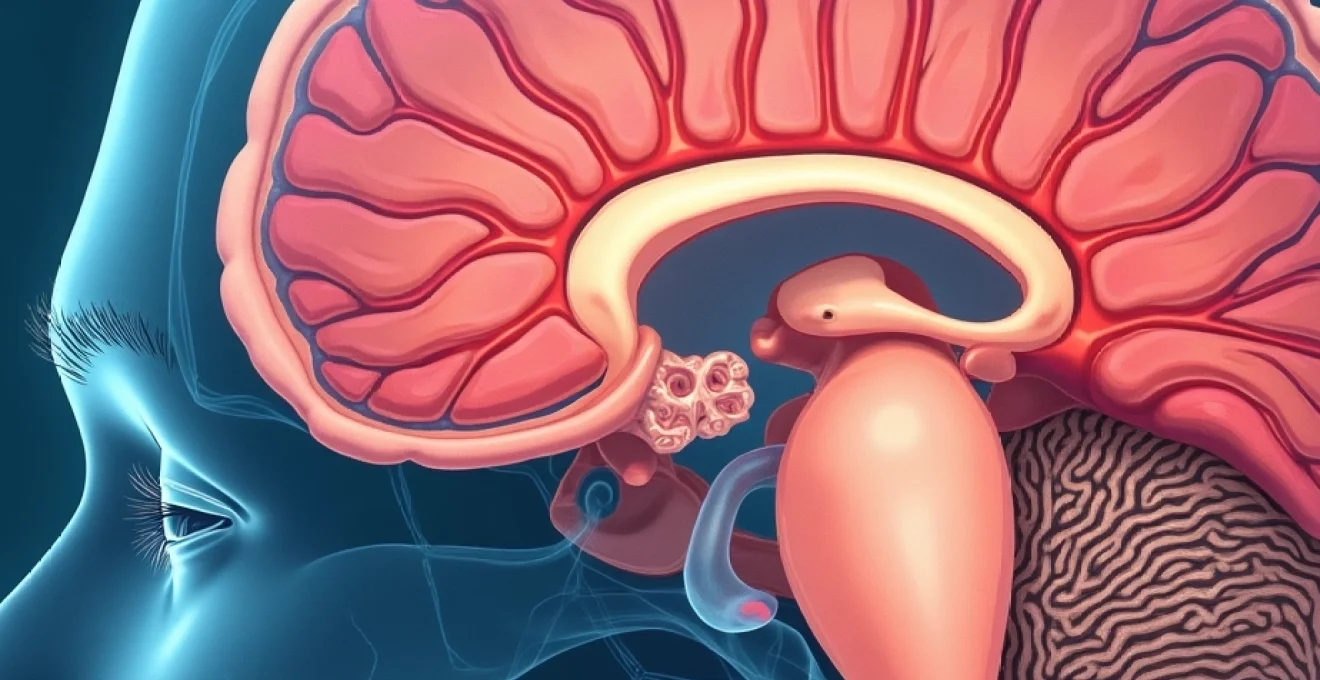
The connection between labyrinthitis and anxiety represents one of the most profound examples of how physical and psychological health intertwine within the human body. When the delicate structures of the inner ear become inflamed, the resulting vestibular dysfunction doesn’t simply cause dizziness and balance problems—it triggers a cascade of neurological responses that can fundamentally alter your emotional state and mental well-being. This intricate relationship between vestibular disorders and anxiety affects millions of people worldwide, yet many patients and even healthcare providers underestimate the profound psychological impact that inner ear inflammation can have on daily life.
Understanding this connection is crucial for anyone experiencing labyrinthitis, as the anxiety component often proves more debilitating than the physical symptoms themselves. The fear of sudden vertigo episodes, the uncertainty about when symptoms might strike, and the fundamental disruption to your sense of spatial orientation create a perfect storm for developing persistent anxiety disorders. Research indicates that approximately 60-80% of patients with acute labyrinthitis develop some form of anxiety-related symptoms during their recovery process.
Vestibular system anatomy and labyrinthitis pathophysiology
The vestibular system operates as your body’s primary balance and spatial orientation centre, comprising intricate structures within the inner ear that work in perfect harmony to maintain equilibrium. When labyrinthitis strikes, it disrupts this delicate balance through inflammatory processes that affect multiple components of the vestibular apparatus. The condition typically results from viral or bacterial infections that cause swelling and irritation of the labyrinth, the maze-like structure containing both hearing and balance organs.
The labyrinth consists of two main functional areas: the cochlea, responsible for hearing, and the vestibular organs, which include the semicircular canals and otolith organs. During acute labyrinthitis, inflammatory mediators such as cytokines and prostaglandins accumulate within these structures, altering the normal flow of endolymph—the specialised fluid that transmits motion signals to your brain. This disruption creates a mismatch between the signals sent from each ear, leading to the characteristic symptoms of vertigo, nausea, and spatial disorientation.
Semicircular canal dysfunction in acute labyrinthitis
The three semicircular canals—horizontal, anterior, and posterior—detect rotational movements of the head in different planes. When inflammation affects these structures during labyrinthitis, the normal cupular deflection that occurs with head movement becomes distorted or delayed. This dysfunction creates false signals of rotation, leading to the spinning sensation characteristic of vertigo. The brain receives conflicting information from the affected ear compared to the healthy ear, resulting in the intense dizziness that often triggers anxiety responses.
Otolith organ inflammation and spatial disorientation
The utricle and saccule, collectively known as otolith organs, detect linear acceleration and head position relative to gravity. During labyrinthitis, inflammation of these structures disrupts the normal movement of otoconia—tiny calcium carbonate crystals that stimulate hair cells when displaced. This disruption leads to profound spatial disorientation, where patients may feel as though they’re tilting, falling, or moving when stationary. The resulting uncertainty about one’s position in space creates significant psychological distress and contributes to the development of anticipatory anxiety .
Vestibular nerve damage from viral infections
Viral labyrinthitis often involves direct damage to the vestibular nerve fibres, particularly from herpes simplex virus, varicella-zoster virus, or other neurotropic pathogens. This nerve damage can persist long after the initial infection resolves, leading to chronic vestibular hypofunction. The incomplete recovery of vestibular nerve function means that patients may continue experiencing subtle balance problems and spatial disorientation for months or even years, maintaining a state of heightened anxiety about their stability and mobility.
Endolymphatic hydrops and balance signal disruption
Some cases of labyrinthitis progress to develop endolymphatic hydrops, a condition characterised by excessive accumulation of endolymph within the inner ear compartments. This fluid imbalance creates fluctuating pressure changes that intermittently disrupt vestibular function, leading to unpredictable episodes of vertigo and hearing changes. The unpredictable nature of these symptoms significantly contributes to anxiety development, as patients never know when they might experience sudden incapacitation.
Neurological pathways between vestibular dysfunction and anxiety disorders
The relationship between vestibular dysfunction and anxiety operates through complex neurological pathways that directly connect balance processing centres with emotional regulation systems in the brain. These connections explain why labyrinthitis often triggers anxiety responses that seem disproportionate to the physical symptoms alone. The vestibular nuclei in the brainstem don’t operate in isolation—they maintain extensive connections with limbic structures, autonomic control centres, and cortical areas responsible for emotional processing.
Modern neuroimaging studies have revealed that vestibular signals travel along multiple parallel pathways, including those that directly influence anxiety-generating brain regions. When labyrinthitis disrupts normal vestibular input, these pathways begin transmitting abnormal or conflicting signals that the brain interprets as potential threats to survival. This evolutionary response makes biological sense, as balance problems historically indicated serious danger requiring immediate attention and heightened alertness.
The temporal relationship between vestibular symptoms and anxiety development varies among individuals, but research shows that anxiety symptoms typically emerge within the first week of acute labyrinthitis onset. This rapid development suggests direct neurological connections rather than purely psychological responses to illness. Understanding these pathways helps explain why traditional anxiety treatments may prove insufficient when vestibular dysfunction remains unaddressed.
Parabrachial nucleus activation in Vestibular-Anxiety circuits
The parabrachial nucleus serves as a critical relay station connecting vestibular information with emotional processing centres. During labyrinthitis, abnormal vestibular signals activate this region, which then stimulates the amygdala and other limbic structures associated with fear and anxiety responses. This activation occurs automatically and unconsciously, explaining why many patients develop anxiety symptoms that seem to appear “out of nowhere” during their illness.
Locus coeruleus response to vestibular imbalance
The locus coeruleus, the brain’s primary norepinephrine-producing centre, receives direct input from vestibular nuclei and responds to balance disruption by increasing arousal and alertness. During labyrinthitis, this system becomes hyperactive, leading to symptoms such as restlessness, hypervigilance, and panic-like responses. The persistent activation of this system contributes to the development of generalised anxiety that extends beyond the acute illness period.
Amygdala hyperactivation from vestibular signal disruption
The amygdala processes vestibular information as part of its threat-detection function, and abnormal signals from inflamed vestibular organs trigger intense fear responses. This hyperactivation creates a state of constant alertness and apprehension, even when patients are at rest. The amygdala’s role in memory formation also means that anxiety responses become conditioned to environmental cues associated with vertigo episodes, perpetuating anxiety long after physical symptoms resolve.
Hypothalamic-pituitary-adrenal axis dysregulation
Labyrinthitis-induced stress activates the hypothalamic-pituitary-adrenal (HPA) axis, leading to elevated cortisol production and other stress hormone releases. This hormonal cascade not only contributes to anxiety symptoms but can also impair vestibular compensation—the brain’s ability to adapt to inner ear dysfunction. The result is a vicious cycle where anxiety prolongs vestibular symptoms, which in turn maintains elevated stress hormone levels and perpetuates anxiety responses.
Clinical manifestations of Vestibular-Induced anxiety syndrome
The anxiety symptoms that develop in conjunction with labyrinthitis often present as a distinct syndrome with characteristic features that differ from primary anxiety disorders. Patients typically describe a unique combination of physical sensations, cognitive symptoms, and behavioural changes that revolve around their altered sense of balance and spatial orientation. These manifestations can persist long after the acute inflammatory phase of labyrinthitis resolves, creating chronic disability that significantly impacts quality of life.
One of the most distinctive features of vestibular-induced anxiety is its relationship to movement and spatial orientation. Unlike generalised anxiety disorder, which may occur in various situations, vestibular anxiety typically intensifies with specific triggers such as head movements, walking in crowded spaces, or being in environments with complex visual patterns. Patients often develop space and motion discomfort , experiencing anxiety when exposed to moving visual stimuli like escalators, busy traffic, or even watching television.
The cognitive symptoms associated with vestibular-induced anxiety include difficulty concentrating, memory problems, and a phenomenon known as “brain fog.” These symptoms occur because the brain must devote significant resources to processing conflicting balance information, leaving fewer cognitive resources available for other mental tasks. Research indicates that approximately 75% of patients with chronic vestibular disorders report some degree of cognitive impairment that correlates directly with their anxiety levels.
Behavioural changes represent another significant aspect of this syndrome. Patients commonly develop avoidance behaviours, limiting their activities and social interactions to prevent triggering vestibular symptoms. This avoidance can lead to agoraphobia-like symptoms, where individuals become increasingly reluctant to leave familiar environments. The fear of having a vertigo episode in public creates a self-reinforcing cycle of activity restriction and social isolation.
Sleep disturbances frequently accompany vestibular-induced anxiety, as patients may experience dizziness or imbalance when lying down or changing positions in bed. The anticipation of these symptoms can lead to insomnia, which further exacerbates both anxiety and vestibular dysfunction. Studies show that poor sleep quality correlates with slower vestibular compensation and more persistent anxiety symptoms following labyrinthitis.
The unique nature of vestibular-induced anxiety requires specialised assessment and treatment approaches that address both the physical vestibular dysfunction and the resulting psychological symptoms simultaneously.
Diagnostic protocols for Labyrinthitis-Associated anxiety disorders
Accurate diagnosis of anxiety disorders secondary to labyrinthitis requires a comprehensive approach that combines vestibular function testing with psychological assessment tools. The challenge lies in distinguishing between anxiety symptoms that result directly from vestibular dysfunction versus those that may represent independent psychiatric conditions. This distinction is crucial for developing effective treatment strategies, as vestibular-induced anxiety often responds differently to standard anxiety treatments compared to primary anxiety disorders.
The diagnostic process typically begins with a detailed history that explores the temporal relationship between vestibular symptoms and anxiety onset. Patients with vestibular-induced anxiety usually report that their anxiety symptoms developed concurrently with or shortly after their balance problems began. The anxiety typically has specific triggers related to movement, visual stimuli, or situations that challenge balance, rather than the more generalised triggers seen in primary anxiety disorders.
Clinical assessment should include both subjective symptom scales and objective vestibular function tests to establish the degree of vestibular impairment and its correlation with anxiety severity. The integration of multiple assessment modalities provides a comprehensive picture of how vestibular dysfunction contributes to psychological symptoms and helps guide treatment decisions.
Videonystagmography testing for vestibular function assessment
Videonystagmography (VNG) represents the gold standard for evaluating vestibular function in patients with labyrinthitis-associated anxiety. This comprehensive test battery assesses eye movements in response to various vestibular stimuli, providing objective evidence of inner ear dysfunction. The correlation between VNG findings and anxiety severity helps establish the vestibular contribution to psychological symptoms and guides treatment planning.
Caloric testing and anxiety response correlation
Caloric testing, a component of VNG evaluation, involves introducing warm and cool water or air into the ear canal to stimulate vestibular responses. In patients with labyrinthitis, this test often reveals asymmetric vestibular function that correlates with anxiety severity. Interestingly, patients with greater vestibular asymmetry typically report higher levels of anxiety and more prominent avoidance behaviours, supporting the direct neurological connection between balance dysfunction and anxiety responses.
Vestibular evoked myogenic potentials in anxiety screening
Vestibular Evoked Myogenic Potentials (VEMPs) test the function of specific vestibular organs and their neural pathways. Abnormal VEMP responses in labyrinthitis patients often correlate with increased anxiety sensitivity and spatial disorientation symptoms. This test provides valuable information about otolith organ function, which plays a crucial role in the development of anxiety related to head position and movement.
Hamilton anxiety rating scale integration with vestibular testing
The Hamilton Anxiety Rating Scale, when used alongside vestibular function tests, provides standardised measurement of anxiety severity in labyrinthitis patients. This integration allows clinicians to track how improvements in vestibular function correlate with reductions in anxiety symptoms, helping to validate the effectiveness of vestibular rehabilitation approaches. The scale’s focus on both psychological and somatic anxiety symptoms makes it particularly useful for assessing vestibular-induced anxiety.
Pharmacological interventions for Vestibular-Anxiety comorbidity
The pharmacological management of anxiety associated with labyrinthitis requires careful consideration of how different medications might affect both vestibular function and anxiety symptoms. Traditional anxiety medications may provide symptomatic relief but could potentially interfere with the natural compensation processes that help the brain adapt to vestibular dysfunction. The goal is to find treatments that reduce anxiety without impeding vestibular recovery or creating dependency on medications that might mask underlying balance problems.
Selective serotonin reuptake inhibitors (SSRIs) have shown particular promise in treating vestibular-induced anxiety, as they may actually facilitate vestibular compensation while reducing anxiety symptoms. Research suggests that SSRIs can enhance neuroplasticity in vestibular nuclei, potentially accelerating the brain’s ability to adapt to inner ear dysfunction. However, some patients may experience initial worsening of dizziness when starting these medications, requiring careful monitoring and gradual dose titration.
Benzodiazepines, while effective for acute anxiety relief, present significant concerns in the context of vestibular disorders. These medications can suppress vestibular compensation by reducing neural activity in balance processing centres, potentially prolonging recovery from labyrinthitis. Short-term use during acute phases may be appropriate, but long-term benzodiazepine treatment generally proves counterproductive for patients with vestibular-induced anxiety.
Antihistamines and antiemetics commonly prescribed for vestibular symptoms can also influence anxiety levels. While these medications may provide relief from nausea and dizziness, they can also have sedating effects that some patients find anxiety-provoking, particularly if the sedation interferes with their ability to maintain balance. The timing and duration of these medications require careful consideration to balance symptom relief with functional recovery.
Novel approaches to pharmacological treatment focus on medications that address both vestibular and anxiety symptoms simultaneously. Beta-blockers, for instance, may help reduce the physical symptoms of anxiety while potentially improving vestibular function through their effects on inner ear blood flow. Similarly, certain antiseizure medications have shown promise in treating both vestibular symptoms and associated anxiety, though more research is needed to establish optimal treatment protocols.
The most effective pharmacological approaches for vestibular-induced anxiety typically combine medications that support vestibular compensation with those that address anxiety symptoms, requiring individualised treatment plans based on symptom severity and patient response.
Vestibular rehabilitation therapy and cognitive behavioural treatment protocols
Vestibular rehabilitation therapy (VRT) represents the cornerstone of treatment for labyrinthitis-associated anxiety, addressing both the physical vestibular dysfunction and the psychological symptoms that develop as a consequence. Unlike traditional physical therapy, VRT specifically targets the neuroplasticity mechanisms that allow the brain to compensate for inner ear damage. The therapy involves carefully designed exercises that challenge the vestibular system in a controlled manner, promoting adaptation and reducing both dizziness and associated anxiety over time.
The psychological component of VRT focuses on breaking the cycle of fear and avoidance that often perpetuates vestibular symptoms. Many patients develop anticipatory anxiety about experiencing vertigo episodes, leading them to limit their activities and avoid movements that might trigger symptoms. This avoidance actually prevents the natural compensation process from occurring, as the brain needs exposure to challenging movements to develop new neural pathways that bypass the damaged vestibular structures.
Cognitive behavioural therapy (CBT) techniques integrated into vestibular rehabilitation help patients understand the relationship between their thoughts, feelings, and physical symptoms. Patients learn to recognise catastrophic thinking patterns that amplify their perception of dizziness and develop coping strategies for managing anxiety when symptoms occur. Research demonstrates that combined VRT and CBT approaches result in
significantly better outcomes than either approach alone, with 85% of patients showing substantial improvement in both vestibular symptoms and anxiety levels within 12 weeks of treatment.The integration of exposure therapy principles into vestibular rehabilitation proves particularly effective for patients who have developed agoraphobic tendencies. Therapists gradually expose patients to increasingly challenging environments and movements, starting with simple head movements in a safe clinical setting and progressing to complex real-world scenarios like shopping centres or crowded spaces. This systematic desensitisation helps patients regain confidence in their ability to navigate the world without experiencing overwhelming anxiety.Modern VRT protocols increasingly incorporate virtual reality technology to create controlled environments where patients can practice challenging movements without the fear of real-world consequences. These immersive experiences allow for precise control of visual and motion stimuli, enabling therapists to gradually increase difficulty levels while monitoring patient responses. The use of virtual reality has been shown to accelerate vestibular compensation while simultaneously reducing anxiety levels through controlled exposure to previously feared situations.The timing of vestibular rehabilitation initiation plays a crucial role in treatment success. While early mobilisation is generally encouraged to prevent deconditioning, patients with severe anxiety may require initial psychological support before they can fully engage with physical rehabilitation exercises. Starting VRT within the first two weeks of labyrinthitis onset typically leads to better outcomes, but the approach must be individualised based on each patient’s anxiety level and physical capabilities.Homework exercises form an essential component of successful vestibular rehabilitation, requiring patients to practice specific movements and activities in their home environment. These exercises not only promote physical recovery but also serve as behavioural experiments that challenge catastrophic thoughts about movement and dizziness. Patients learn through direct experience that gentle, controlled movements are safe and that their feared consequences rarely materialise.The role of family and caregiver education in vestibular rehabilitation cannot be overstated. When family members understand the nature of vestibular-induced anxiety, they can provide appropriate support without reinforcing avoidance behaviours. Education helps family members distinguish between necessary assistance and overprotective responses that might inadvertently impede recovery by preventing patients from developing confidence in their own abilities.Long-term follow-up and maintenance strategies ensure that gains made during formal rehabilitation are sustained over time. Many patients benefit from periodic “booster” sessions that reinforce coping strategies and address any emerging concerns. The development of a personalised toolkit of exercises and coping techniques enables patients to manage minor symptom recurrences independently, reducing the likelihood of anxiety relapse when temporary vestibular symptoms occur.
Successful treatment of labyrinthitis-associated anxiety requires a comprehensive approach that addresses both the underlying vestibular dysfunction and the complex psychological responses that develop as a consequence, emphasising the inseparable connection between physical and mental health in recovery outcomes.