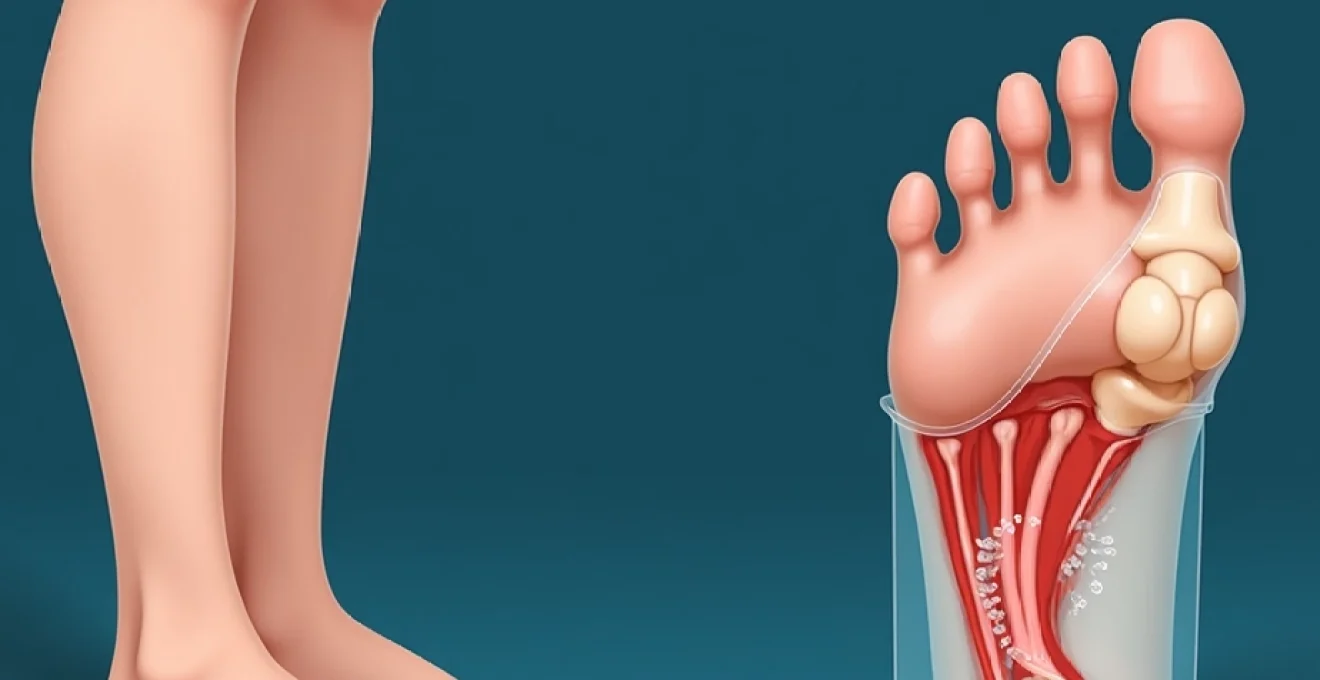
The journey through Lapidus bunionectomy recovery represents a significant commitment that extends far beyond the operating theatre. This advanced surgical procedure, designed to correct severe hallux valgus deformities through arthrodesis of the first tarsometatarsal joint, requires meticulous planning, precise execution, and dedicated rehabilitation. Understanding the comprehensive recovery process helps patients navigate the challenges and milestones that define successful outcomes.
Recovery from Lapidus arthrodesis differs markedly from other bunion correction techniques due to the fusion component and hardware placement. The procedure’s complexity demands extended periods of non-weight bearing, progressive rehabilitation phases, and careful monitoring of bone healing. Patient experiences reveal that whilst the recovery timeline appears daunting initially, the long-term benefits often exceed expectations when proper protocols are followed.
Pre-operative assessment and surgical planning for lapidus arthrodesis
The foundation of successful Lapidus bunionectomy recovery begins with comprehensive pre-operative evaluation. Surgeons must assess not only the severity of the hallux valgus deformity but also evaluate bone quality, joint mobility, and patient-specific factors that influence healing. This thorough assessment determines the optimal surgical approach and helps establish realistic recovery expectations.
Radiographic evaluation using weightbearing CT imaging
Advanced imaging techniques have revolutionised pre-operative planning for Lapidus procedures. Weightbearing computed tomography provides three-dimensional visualisation of the foot architecture, revealing subtle deformities that traditional radiographs might miss. This enhanced imaging capability allows surgeons to plan correction angles precisely , reducing the risk of over- or under-correction that could complicate recovery.
The radiographic assessment also evaluates bone density and quality, which directly impacts healing timelines. Patients with osteoporotic changes may require modified fixation techniques and extended non-weight bearing periods. Understanding these factors pre-operatively helps set appropriate expectations for the recovery journey ahead.
Surgeon selection criteria and consultant orthopaedic expertise
Choosing an experienced surgeon significantly influences recovery outcomes. Specialist foot and ankle surgeons who regularly perform Lapidus procedures demonstrate superior technical proficiency and complication rates. Their expertise extends beyond surgical technique to encompass comprehensive post-operative care protocols that optimise healing.
Patient testimonials consistently highlight the importance of surgeon communication during the consultation process. Surgeons who thoroughly explain the procedure, recovery timeline, and potential complications enable patients to make informed decisions and mentally prepare for the challenges ahead. This preparation proves invaluable during difficult phases of recovery.
Anaesthetic consultation and regional block considerations
Modern anaesthetic techniques play a crucial role in post-operative comfort and early recovery phases. Regional nerve blocks, particularly popliteal and ankle blocks, provide extended pain relief lasting 12-24 hours post-operatively. This initial pain-free period allows patients to rest comfortably and begin early mobility exercises within the constraints of their post-operative restrictions.
The anaesthetic consultation also addresses patient concerns about post-operative pain management. Understanding the multi-modal approach combining nerve blocks, oral analgesics, and non-pharmacological methods helps patients feel more confident about managing discomfort during the critical early recovery period.
Patient-specific fixation hardware selection
Hardware selection significantly impacts both immediate post-operative stability and long-term outcomes. Modern Lapidus procedures typically utilise either crossing screw fixation or plate and screw constructs. The choice depends on bone quality, deformity severity, and surgeon preference , with each option offering distinct advantages during recovery.
Plate fixation generally provides superior initial stability, potentially allowing earlier progression to weight-bearing activities. However, some patients experience hardware prominence that may require future removal. Understanding these considerations helps patients make informed decisions about their treatment approach and sets appropriate expectations for their recovery trajectory.
Immediate post-operative recovery protocol and pain management
The first two weeks following Lapidus bunionectomy represent the most critical phase of recovery. During this period, the surgical site requires protection from mechanical stress whilst inflammatory responses are carefully managed. Success during this phase sets the foundation for optimal long-term outcomes.
First 48 hours: nerve block duration and breakthrough analgesia
Regional nerve blocks provide significant pain relief for the first 12-24 hours post-operatively, but patients must prepare for breakthrough pain as the block wears off. This transition period often proves challenging, with pain levels peaking between 24-72 hours after surgery. Proactive pain management using prescribed medications prevents severe discomfort and promotes better sleep quality during this critical healing phase.
Many patients underestimate the intensity of post-operative pain, particularly those who have undergone less invasive procedures previously. The combination of bone work, soft tissue manipulation, and hardware placement creates significant discomfort that requires dedicated management. Understanding this reality helps patients prepare mentally and practically for the immediate post-operative period.
Wound care techniques and dressing change protocols
Proper wound care prevents complications that could delay recovery or compromise outcomes. Initial dressings typically remain in place for 48-72 hours unless significant drainage or other concerns arise. Once dressing changes begin, maintaining sterile technique and monitoring for signs of infection becomes paramount.
Patient education regarding wound monitoring proves essential, as early recognition of complications enables prompt intervention.
Signs of concern include increasing pain, redness extending beyond the immediate surgical site, purulent drainage, or systemic symptoms such as fever.
Understanding these warning signs empowers patients to seek appropriate care when necessary.
Non-weight bearing compliance using knee scooter mobility
Strict non-weight bearing compliance during the initial 6-8 weeks protects the arthrodesis site and prevents hardware failure. Knee scooters offer superior mobility compared to crutches, reducing upper extremity strain and improving overall quality of life during this restricted period. Proper scooter fitting and technique training prevent secondary injuries whilst maintaining functional independence.
The psychological impact of mobility restrictions should not be underestimated. Patients accustomed to active lifestyles often struggle with the confinement imposed by non-weight bearing requirements. Developing strategies for maintaining social connections and modified activities helps preserve mental wellbeing during this challenging phase.
Elevation strategies and compression therapy implementation
Consistent elevation above heart level significantly reduces post-operative swelling and associated discomfort. Effective elevation requires careful positioning using multiple pillows or specialised wedges to maintain comfort during extended periods. The first two weeks post-operatively typically require near-constant elevation, with gradual reduction as swelling subsides.
Compression therapy, when appropriate, can enhance swelling control and promote healing. However, compression must be applied carefully to avoid compromising circulation or creating pressure points. Some surgeons prefer to avoid compression initially, particularly when significant swelling is anticipated or circulation concerns exist.
Deep vein thrombosis prevention with rivaroxaban prophylaxis
Extended periods of immobilisation increase thromboembolic risk, necessitating prophylactic measures in many patients. Risk stratification considers factors including age, medical history, duration of immobilisation, and previous thrombotic events. Appropriate prophylaxis protocols significantly reduce the risk of potentially life-threatening complications whilst supporting overall recovery success.
Patient education regarding thrombosis signs and symptoms proves crucial, as early recognition enables prompt treatment. Symptoms such as calf pain, swelling, or shortness of breath require immediate medical attention. Maintaining adequate hydration and performing approved ankle exercises also contribute to thrombosis prevention.
Progressive weight-bearing phases and bone healing milestones
The transition from non-weight bearing to full weight-bearing represents a critical phase where bone healing must be carefully monitored and protected. This progression typically occurs between 6-12 weeks post-operatively, depending on individual healing rates and radiographic evidence of union. Understanding the milestones and expectations during this phase helps patients navigate the gradual return to normal activities.
Week 6-8 radiographic union assessment
Radiographic evaluation at 6-8 weeks provides the first definitive assessment of arthrodesis progress. Successful union typically appears as bridging bone across the fusion site with loss of the original joint line. However, complete radiographic union may not be visible for several months , even when clinical healing is progressing satisfactorily.
The quality of bone formation varies significantly between patients, influenced by factors including age, smoking status, nutrition, and compliance with restrictions. Younger patients with good bone quality often demonstrate earlier radiographic changes, whilst older patients or those with compromised healing may require extended monitoring periods.
Patience during this phase proves essential, as pushing weight-bearing progression too aggressively can result in hardware failure or non-union, potentially requiring revision surgery.
Surgeons carefully balance patient eagerness to progress with the need to protect the healing arthrodesis site.
Partial weight-bearing transition using CAM walker boot
The transition to partial weight-bearing typically begins with 25-50% body weight through the operated foot, using a CAM walker boot for protection and support. This progression requires careful instruction regarding proper technique and load distribution. Many patients initially struggle with judging appropriate weight limits, often applying excessive force through enthusiasm to progress.
Bathroom scales can provide valuable feedback during this learning process, allowing patients to practice appropriate weight-bearing levels. The sensation of load-bearing after weeks of non-weight bearing often feels unusual and may cause anxiety about potential damage to the repair.
Full weight-bearing clearance and hardware integration
Progression to full weight-bearing typically occurs between 8-12 weeks post-operatively, dependent on radiographic and clinical evidence of adequate healing. This milestone represents a significant psychological victory for patients who have endured weeks of activity restrictions. However, the transition must be gradual to prevent overuse injuries in muscles and joints that have been underutilised during the recovery period.
Hardware integration continues throughout the first year post-operatively, with ongoing bone remodelling around screws and plates. Some patients experience temporary discomfort during weather changes or after extended activity, which typically resolves as integration completes. Understanding this normal progression prevents unnecessary anxiety about hardware-related symptoms.
Range of motion recovery and first metatarsophalangeal joint function
Range of motion recovery focuses primarily on the first metatarsophalangeal joint, as the arthrodesis site is intended to remain fused. Initial stiffness is universal, with gradual improvement occurring over several months. Formal physiotherapy often proves beneficial in optimising joint mobility and preventing compensatory movement patterns.
Patients frequently express concern about permanent stiffness, particularly when comparing the operated foot to the contralateral side. Education about expected outcomes helps maintain realistic expectations whilst encouraging compliance with mobility exercises. Some degree of permanent stiffness compared to the pre-operative state is normal and typically well-tolerated functionally.
Physiotherapy rehabilitation and functional recovery outcomes
Physiotherapy plays an increasingly important role as patients progress through weight-bearing phases and begin resuming normal activities. The rehabilitation programme addresses multiple components including range of motion, strength, balance, and gait retraining. Early intervention can prevent compensatory movement patterns that might lead to secondary problems in other joints.
The initial physiotherapy assessment typically occurs around 8-10 weeks post-operatively, once weight-bearing has been established. At this stage, focus centres on gentle range of motion exercises for the first metatarsophalangeal joint and surrounding structures. Aggressive stretching should be avoided initially , as excessive force can irritate healing tissues and potentially compromise the fusion site.
Strength training becomes progressively more important as patients advance through their recovery. Intrinsic foot muscles often become weak during prolonged immobilisation, requiring specific exercises to restore function. Calf muscle strength and Achilles tendon flexibility also require attention, as these structures adapt to altered mechanics during the non-weight bearing period.
Balance and proprioceptive training help restore confidence and reduce fall risk as patients return to normal activities. The combination of altered anatomy, temporary weakness, and psychological apprehension about re-injury can significantly impact balance initially. Progressive exercises addressing these deficits improve functional outcomes and patient satisfaction.
Gait analysis and retraining often reveal compensatory patterns that developed during recovery. These adaptations, whilst protective initially, can create problems if allowed to persist long-term. Professional gait assessment and correction helps optimise function and prevent secondary issues in other joints of the lower extremity chain.
Long-term patient satisfaction and recurrence prevention strategies
Long-term satisfaction following Lapidus bunionectomy correlates strongly with realistic pre-operative expectations and appropriate post-operative care. Studies consistently demonstrate high satisfaction rates, with most patients reporting significant pain relief and improved function. However, understanding the factors that influence long-term outcomes helps patients make informed decisions and optimise their results.
Footwear selection plays a crucial role in maintaining long-term results and preventing recurrence. Patients must understand that returning to narrow, high-heeled shoes may compromise outcomes and potentially contribute to adjacent toe deformities. Education about appropriate footwear characteristics helps preserve surgical corrections whilst maintaining style preferences where possible.
Weight management significantly influences long-term outcomes, as excessive mechanical loading can stress the repair and contribute to adjacent joint problems. Patients who maintain healthy body weight generally experience better long-term function and reduced arthritis progression in surrounding joints.
Activity modification may be necessary for some patients, particularly those engaged in high-impact sports or occupations requiring prolonged standing on hard surfaces.
Understanding these limitations pre-operatively helps prevent disappointment and allows for appropriate lifestyle planning.
Regular follow-up appointments enable early detection and management of potential complications. Hardware loosening, adjacent toe deformities, or arthritis progression can be addressed more effectively when identified early. Most surgeons recommend annual follow-ups for the first few years, then as needed based on symptoms and examination findings.
Comparative analysis: lapidus procedure versus chevron osteotomy recovery
Understanding how Lapidus bunionectomy recovery compares to other common bunion correction procedures helps patients appreciate the unique aspects of their chosen treatment. The Chevron osteotomy, frequently used for mild to moderate deformities, offers a markedly different recovery profile that highlights the trade-offs between different surgical approaches.
Recovery timelines differ substantially between these procedures, with Chevron osteotomy patients typically returning to regular shoes within 2-4 weeks compared to 8-12 weeks for Lapidus patients. This difference reflects the fundamental distinction between correcting deformity through bone cuts versus joint fusion. However, the Lapidus procedure addresses more severe deformities that may not be adequately corrected with osteotomy techniques alone.
Weight-bearing restrictions represent another significant difference, with many Chevron patients able to bear weight immediately post-operatively in a surgical shoe. This early mobilisation reduces complications associated with prolonged immobilisation and allows faster return to daily activities. However, the trade-off involves potentially higher recurrence rates in severe deformities where the underlying structural problem remains incompletely addressed.
Hardware requirements also differ between procedures, with Chevron corrections often utilising smaller screws that may be less prominent and require removal less frequently. Lapidus procedures typically require more substantial fixation that may be more noticeable to patients, particularly those with thin soft tissue coverage. This consideration influences both immediate comfort and long-term satisfaction.
Long-term outcomes show different patterns, with Lapidus procedures generally providing more durable correction for severe deformities but potentially resulting in increased stiffness compared to osteotomy techniques. Patients must weigh these factors based on their individual deformity severity, activity demands, and personal priorities regarding recovery time versus long-term durability.