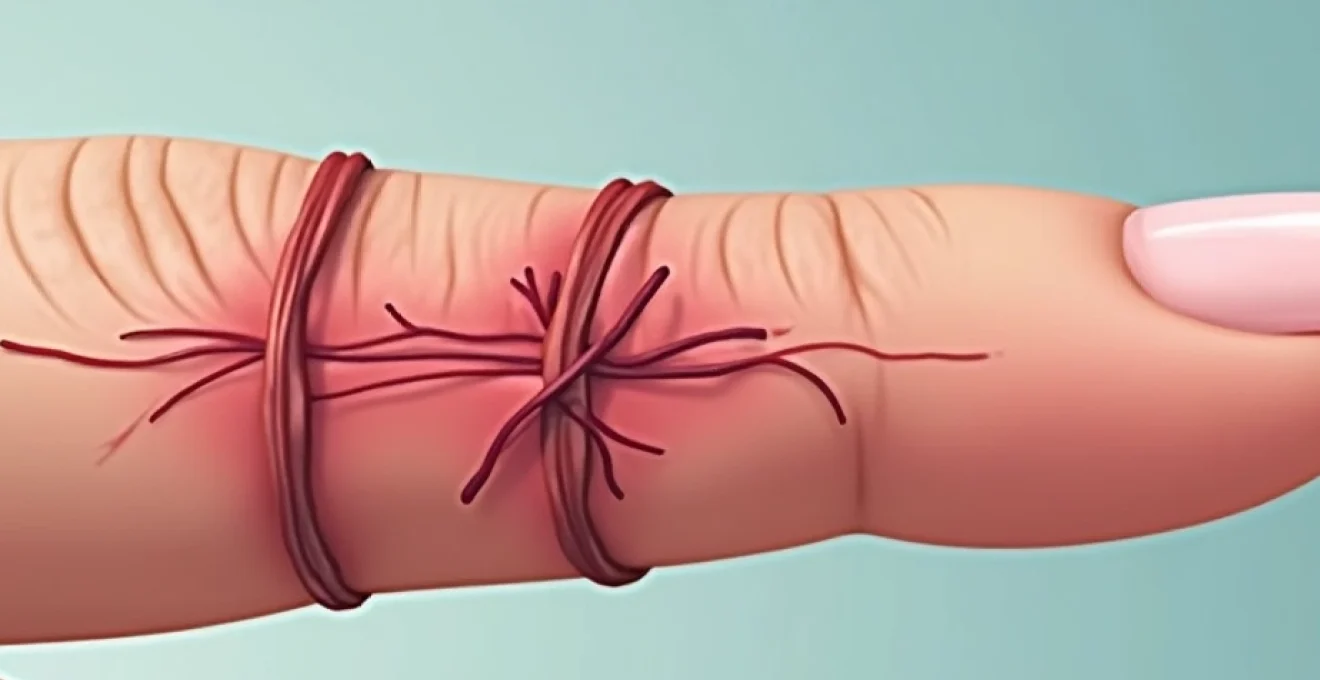
The sharp, excruciating pain that follows slamming your thumb in a car door is unmistakable and often accompanied by panic. This type of crush injury affects thousands of people daily, ranging from minor soft tissue damage to severe trauma requiring immediate medical intervention. Understanding the proper immediate response can significantly impact healing outcomes, prevent complications, and determine whether professional medical care is necessary. The thumb’s complex anatomy, including its nail bed, underlying bone structure, and extensive nerve supply, makes it particularly vulnerable to serious injury when subjected to crushing forces.
Immediate assessment of subungual haematoma and nail bed trauma
The first critical step following a thumb crush injury involves systematic assessment to determine injury severity and guide treatment decisions. Subungual haematoma , or bleeding beneath the nail, appears as a dark purple or black discoloration and represents one of the most common consequences of digital crush injuries. This condition occurs when blood vessels rupture beneath the nail plate, creating pressure that can become intensely painful.
Visual inspection techniques for crush injury severity grading
Begin your assessment by examining the thumb under good lighting conditions. Look for obvious deformity, which may indicate underlying fracture or dislocation. Note the extent of nail bed involvement – injuries affecting more than 50% of the nail bed typically require professional medical evaluation. Observe for active bleeding, laceration depth, and any visible bone fragments. The presence of a nail avulsion , where the nail partially or completely separates from the nail bed, indicates significant trauma requiring immediate medical attention.
Palpation methods to detect underlying phalangeal fractures
Gentle palpation can reveal important information about potential fractures, though this should be performed carefully to avoid additional injury. Press lightly along the thumb’s length, checking for point tenderness, crepitus (grinding sensation), or abnormal mobility. A fracture may present with localised pain that worsens with gentle pressure or movement. However, swelling and soft tissue damage can mask fracture symptoms, making clinical examination challenging in acute settings.
Signs of compromised vascular supply and digital circulation
Assess circulation by observing nail bed colour and performing the capillary refill test . Press firmly on the nail bed and release – normal pink colour should return within two seconds. Delayed capillary refill, persistent pallor, or bluish discoloration may indicate vascular compromise requiring urgent medical evaluation. Check for warmth and sensation in the thumb tip, as these parameters provide additional information about circulation status.
Neurological function testing using Two-Point discrimination
Test sensation by lightly touching the thumb pad with a blunt object. Normal sensation indicates intact nerve function, while numbness or tingling suggests potential nerve injury. The two-point discrimination test, using two pins separated by 5mm, can identify more subtle nerve damage. Loss of protective sensation significantly increases infection risk and may affect healing outcomes, making early identification crucial for treatment planning.
Emergency first aid protocol for acute digital crush injuries
Immediate first aid implementation can dramatically influence injury outcomes and pain levels. The primary goals include controlling bleeding, reducing swelling, preventing infection, and providing pain relief whilst preparing for potential medical evaluation. Acting quickly and systematically ensures optimal conditions for healing whilst minimising complications.
Cryotherapy application using the RICE method for soft tissue management
The RICE protocol – Rest, Ice, Compression, and Elevation – forms the foundation of immediate crush injury management. Apply ice wrapped in a thin cloth for 15-20 minute intervals, allowing 45-60 minutes between applications to prevent frostbite. Cryotherapy reduces inflammatory response, limits haematoma formation, and provides significant pain relief. Never apply ice directly to skin, as this can cause additional tissue damage. Continue ice therapy for the first 48-72 hours following injury.
Elevation positioning techniques to reduce hydrostatic pressure
Elevate the injured hand above heart level whenever possible to reduce hydrostatic pressure and limit swelling progression. This positioning encourages venous return and lymphatic drainage, reducing the accumulation of inflammatory fluid. Support the arm with pillows or cushions to maintain comfortable elevation for extended periods. Consistent elevation during the first 24-48 hours significantly impacts swelling severity and associated pain levels.
Antiseptic wound care for open lacerations and nail avulsions
Clean any open wounds gently with sterile saline or clean water to remove debris and reduce infection risk. Apply antiseptic solution sparingly, as excessive use can delay healing. Cover wounds with sterile dressings, changing them daily or when they become wet or soiled. For nail avulsions , avoid removing loose nail segments unless they pose an immediate hazard, as they may protect the underlying nail bed during healing.
Proper wound care in the first few hours following injury can prevent serious infections that might otherwise require prolonged antibiotic treatment or surgical intervention.
Temporary splinting methods using buddy taping techniques
Buddy taping involves securing the injured thumb to an adjacent finger for support and immobilisation. Use medical tape or bandages to gently bind the thumb to the index finger, placing padding between digits to prevent skin irritation. This technique provides stability whilst allowing some movement and can significantly reduce pain during the acute injury phase. Ensure circulation isn’t compromised by checking regularly for swelling or discoloration beyond the tape.
Pain management strategies for acute thumb trauma
Effective pain management following thumb crush injuries requires a multimodal approach combining pharmacological and non-pharmacological interventions. The intense pain associated with these injuries often results from tissue inflammation, nerve irritation, and pressure buildup beneath the nail. Understanding pain mechanisms helps guide appropriate treatment selection and timing.
Over-the-counter analgesics provide the first line of pain management for most patients. Ibuprofen offers dual anti-inflammatory and analgesic properties, making it particularly effective for crush injuries. The recommended adult dose ranges from 400-800mg every 6-8 hours, not exceeding 3200mg daily. Paracetamol can be used concurrently for additional pain relief, with standard dosing of 1000mg every 6 hours up to 4000mg daily. This combination approach often provides superior pain control compared to either medication alone.
Topical analgesics containing ingredients such as menthol, capsaicin, or NSAIDs can supplement oral medications whilst minimising systemic side effects. These preparations work through counter-irritant mechanisms or local anti-inflammatory action. Apply thin layers to intact skin around the injury site, avoiding open wounds or damaged nail beds. The onset of action typically occurs within 15-30 minutes, with effects lasting 2-4 hours.
For severe pain unresponsive to standard measures, consider seeking medical evaluation for stronger prescription analgesics. Some patients may benefit from short-term opioid therapy, particularly when significant tissue damage is present. However, most thumb crush injuries respond adequately to the aforementioned approaches when implemented correctly and consistently.
Medical intervention thresholds and professional assessment criteria
Determining when to seek professional medical care requires careful consideration of specific injury characteristics and symptoms. While many thumb crush injuries heal successfully with appropriate home care, certain presentations mandate immediate medical evaluation to prevent complications and ensure optimal outcomes.
Indications for emergency department referral and triage classification
Several clinical findings necessitate immediate emergency department evaluation. Open fractures, where bone is visible through the skin, require urgent surgical consultation and antibiotic therapy. Significant nail bed lacerations, particularly those involving more than half the nail bed width, need professional repair to prevent permanent nail deformity. Complete thumb tip amputation, though uncommon with car door injuries, demands immediate microsurgical evaluation for potential reattachment.
Additional urgent indications include signs of compartment syndrome, such as severe pain disproportionate to apparent injury, numbness, or loss of movement. Vascular compromise manifesting as persistent pallor, absent capillary refill, or coldness requires immediate assessment. Any crush injury associated with suspected metacarpal fracture or joint dislocation should receive prompt radiographic evaluation and orthopaedic consultation.
Radiographic imaging requirements for suspected bennett’s fractures
Bennett’s fractures, involving the base of the first metacarpal bone, can occur with severe thumb crush injuries and require specific radiographic views for accurate diagnosis. Standard thumb X-rays include posteroanterior, lateral, and oblique projections to visualise the carpometacarpal joint adequately. These fractures often appear as small avulsion fragments at the metacarpal base and may be easily missed on initial examination.
The clinical presentation typically includes tenderness at the anatomical snuffbox and pain with thumb movement or grip strength testing. Delayed diagnosis can result in chronic instability, arthritis, and functional impairment. Early recognition and appropriate treatment, often requiring surgical fixation, preserve long-term thumb function and prevent degenerative joint disease.
Surgical consultation criteria for nail bed repair procedures
Nail bed injuries exceeding 5mm in length or involving more than 25% of the nail bed surface area typically require surgical repair to prevent permanent deformity. The subungual haematoma involving greater than 50% of the nail surface often indicates significant nail bed disruption beneath an intact nail plate. In these cases, nail removal and direct nail bed repair may be necessary.
Complex injuries involving both nail bed laceration and underlying bone fracture require coordinated management between hand surgeons and orthopaedic specialists. The timing of intervention affects outcomes significantly – repairs performed within 12-24 hours of injury generally achieve better cosmetic and functional results compared to delayed procedures.
Tetanus prophylaxis considerations for contaminated wounds
Car door crush injuries often involve contaminated wounds requiring tetanus prophylaxis evaluation. Current tetanus immunisation status determines appropriate intervention – patients with uncertain or incomplete vaccination history should receive tetanus toxoid and immunoglobulin. Even minor appearing wounds can introduce tetanus spores, making prevention crucial for all patients with open injuries.
Tetanus prevention remains one of the most important and easily overlooked aspects of crush injury management, with potentially life-threatening consequences if neglected.
Complications prevention and early warning signs recognition
Understanding potential complications and their early warning signs enables prompt intervention when problems arise. Common complications include infection, nail deformity, chronic pain, and functional impairment. Most complications are preventable with appropriate initial management and careful monitoring during the healing process.
Infection represents the most serious early complication, particularly with open wounds or nail bed injuries. Early signs include increasing pain, redness extending beyond the immediate injury site, warmth, swelling, and purulent discharge. Systemic symptoms such as fever, malaise, or red streaking up the arm indicate spreading infection requiring immediate medical attention. Osteomyelitis , or bone infection, can develop with contaminated fractures and may require prolonged antibiotic therapy or surgical debridement.
Nail deformity commonly results from inadequate nail bed repair or secondary infection. Permanent changes include ridging, splitting, colour alteration, or incomplete regrowth. While purely cosmetic in many cases, severe deformities can affect thumb function and require surgical correction. Preventive measures include proper wound care, infection prevention, and timely repair of significant nail bed injuries.
Chronic pain syndromes, including complex regional pain syndrome (CRPS), can develop following severe crush injuries. Early recognition and treatment of persistent pain disproportionate to apparent tissue damage is crucial for preventing long-term disability. Symptoms include burning pain, temperature sensitivity, swelling, and colour changes that persist beyond expected healing timeframes.
Recovery timeline and functional rehabilitation milestones
Understanding expected recovery timelines helps patients gauge healing progress and identify potential complications early. Recovery phases typically include acute inflammation (0-72 hours), proliferative healing (3-21 days), and tissue remodelling (3 weeks to 6 months). Each phase has specific characteristics and requirements for optimal outcomes.
During the acute inflammatory phase, pain and swelling peak within the first 24-48 hours before gradually subsiding. Maintaining elevation, ice therapy, and pain management remains crucial during this period. The proliferative phase sees new tissue formation and wound healing acceleration. Gentle movement exercises can begin during this phase to prevent stiffness and promote circulation.
The remodelling phase involves tissue maturation and strength development. Progressive loading exercises help restore normal function whilst preventing re-injury. Complete nail regrowth typically requires 3-6 months, with some residual tenderness or sensitivity potentially persisting for up to a year following severe injuries.
Functional rehabilitation focuses on restoring grip strength, pinch strength, and fine motor control. Early mobilisation within pain tolerance prevents adhesion formation and joint stiffness. Occupational therapy evaluation may benefit patients with complex injuries or those experiencing functional limitations beyond expected timeframes. Return to normal activities should be gradual and symptom-guided, with full contact sports participation typically delayed until complete healing is achieved.