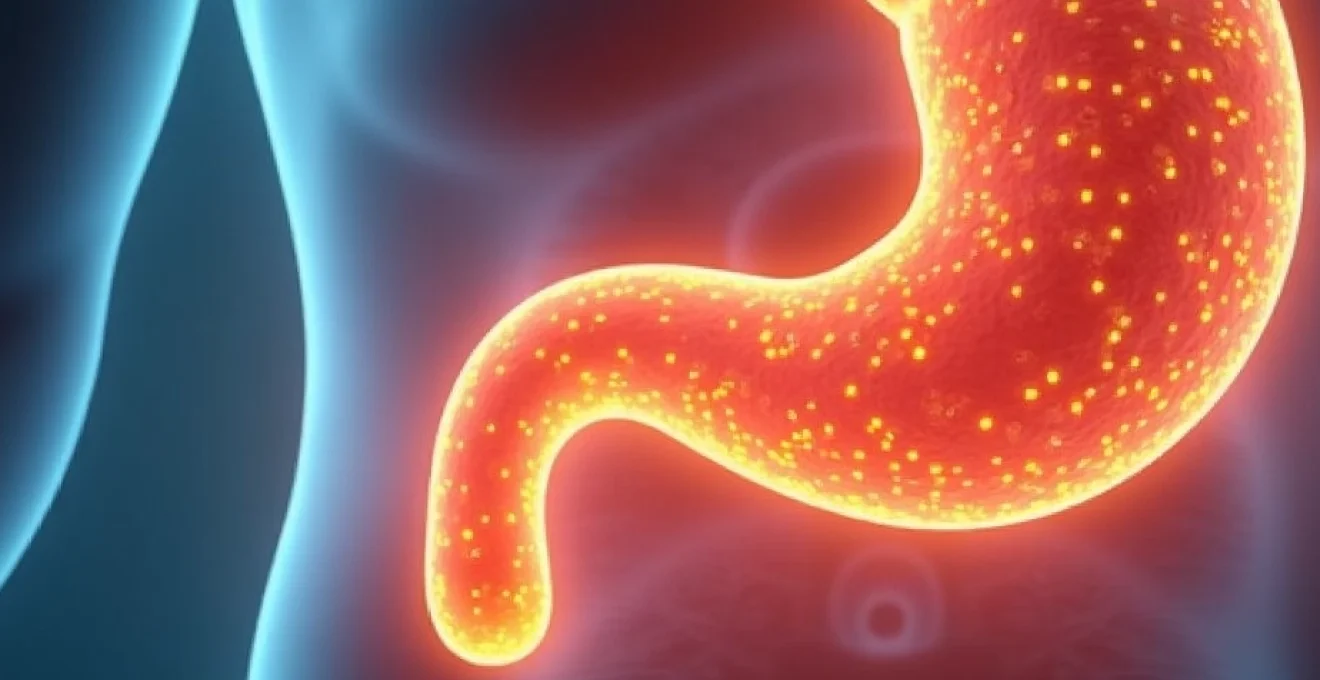
The simultaneous occurrence of stomach cramps and hot flashes presents a complex clinical picture that affects millions of women worldwide, particularly during the menopausal transition. These seemingly unrelated symptoms often share intricate physiological connections, primarily involving hormonal fluctuations that cascade through multiple body systems. Understanding the underlying mechanisms becomes crucial for proper diagnosis and effective management, as the combination can significantly impact quality of life and daily functioning.
Medical research reveals that approximately 75% of women experience vasomotor symptoms during menopause, with many simultaneously reporting gastrointestinal disturbances. The interplay between thermoregulatory dysfunction and digestive symptoms suggests shared pathophysiological pathways involving the autonomic nervous system, hormonal cascades, and neurotransmitter imbalances. This dual symptomatology requires careful evaluation to distinguish between physiological menopausal changes and potentially serious underlying conditions.
The complexity of these symptoms extends beyond simple hormonal changes, encompassing thyroid dysfunction, medication effects, psychological factors, and various gastrointestinal disorders. Recognising the multifaceted nature of this symptom constellation enables healthcare providers to develop comprehensive treatment strategies that address both the immediate discomfort and underlying causative factors.
Hormonal fluctuations during menopause and perimenopause
The menopausal transition represents one of the most significant hormonal upheavals in a woman’s life, fundamentally altering the delicate balance of reproductive and metabolic hormones. This period, spanning several years before and after the final menstrual period, involves dramatic fluctuations in oestrogen, progesterone, follicle-stimulating hormone (FSH), and luteinising hormone (LH) levels. These hormonal changes create a domino effect throughout the body, affecting everything from thermoregulation to gastrointestinal function.
The relationship between hormonal fluctuations and symptomatology is not merely correlational but deeply mechanistic. Oestrogen receptors are distributed throughout the body, including the hypothalamus (responsible for temperature regulation), the gastrointestinal tract, and the autonomic nervous system. When oestrogen levels decline, these systems lose their hormonal regulation, leading to the characteristic symptoms of menopause including hot flashes and digestive disturbances.
Oestrogen withdrawal syndrome and gastrointestinal motility
Oestrogen withdrawal syndrome encompasses a broad spectrum of symptoms that occur as circulating oestrogen levels decline during the menopausal transition. This syndrome affects gastrointestinal motility through multiple mechanisms, including alterations in smooth muscle contractility, changes in gastric acid secretion, and modifications in gut microbiome composition. The digestive tract contains abundant oestrogen receptors, particularly in the stomach and small intestine, making it highly susceptible to hormonal changes.
Research demonstrates that oestrogen directly influences gastric emptying rates and intestinal transit times. When oestrogen levels drop, many women experience slower gastric emptying, leading to feelings of fullness, bloating, and cramping. Simultaneously, the reduction in oestrogen affects the production of nitric oxide, a crucial vasodilator that helps regulate blood flow and smooth muscle function throughout the digestive system.
Luteinising hormone surges and abdominal cramping
During perimenopause, luteinising hormone levels often become erratic, with sudden surges that can trigger both vasomotor symptoms and gastrointestinal distress. These LH surges are associated with the characteristic hot flash phenomenon, but they also affect other smooth muscle systems throughout the body, including the intestinal tract. The temporal relationship between LH surges and abdominal cramping suggests a direct causative link mediated through autonomic nervous system activation.
The mechanism involves LH-induced activation of the sympathetic nervous system, which simultaneously triggers vasodilation (causing hot flashes) and affects gastrointestinal motility. This dual effect explains why many women report that their stomach cramps and hot flashes occur together, often with a predictable pattern that can help in diagnosis and treatment planning.
Progesterone deficiency impact on smooth muscle function
Progesterone deficiency, which often precedes oestrogen decline during perimenopause, significantly impacts smooth muscle function throughout the body. This hormone has a natural muscle-relaxing effect, and its absence can lead to increased muscle tension and spasms in the gastrointestinal tract. The loss of progesterone’s calming effect on smooth muscle explains why many women experience increased cramping and digestive discomfort during the early stages of the menopausal transition.
Furthermore, progesterone influences the production of gamma-aminobutyric acid (GABA), a neurotransmitter that helps regulate both anxiety and smooth muscle function. When progesterone levels drop, GABA production decreases, potentially leading to both increased anxiety and heightened gastrointestinal symptoms, creating a cycle where psychological stress exacerbates physical symptoms.
Follicle-stimulating hormone elevations and digestive disturbances
Elevated follicle-stimulating hormone levels, characteristic of the menopausal transition, contribute to digestive disturbances through their effects on metabolic rate and autonomic function. High FSH levels are associated with increased metabolic activity and heightened sympathetic nervous system activation, which can affect gastrointestinal motility and secretion patterns. This hormonal imbalance often manifests as alternating periods of constipation and diarrhoea, accompanied by cramping and discomfort.
The relationship between FSH elevation and digestive symptoms is further complicated by the hormone’s effects on other endocrine systems, including thyroid function and adrenal activity. These interconnected hormonal networks create complex feedback loops that can perpetuate both vasomotor symptoms and gastrointestinal disturbances, requiring comprehensive treatment approaches that address multiple hormonal pathways simultaneously.
Gastrointestinal disorders triggered by vasomotor symptoms
The relationship between vasomotor symptoms and gastrointestinal disorders represents a fascinating area of medical research, revealing how thermoregulatory dysfunction can directly trigger digestive problems. This connection is mediated through shared neural pathways, particularly involving the vagus nerve and sympathetic nervous system, which regulate both temperature control and gastrointestinal function. Understanding this relationship helps explain why many women report that their digestive symptoms worsen during hot flash episodes.
The autonomic nervous system serves as the primary link between vasomotor symptoms and gastrointestinal dysfunction. During a hot flash, sympathetic activation occurs to facilitate heat dissipation through vasodilation and sweating. However, this same sympathetic surge can disrupt normal digestive processes, leading to altered motility, changes in gastric acid secretion, and modifications in gut blood flow. These physiological changes can trigger or exacerbate existing gastrointestinal conditions.
Irritable bowel syndrome exacerbation during hot flashes
Irritable bowel syndrome affects approximately 10-15% of the global population, with women being disproportionately affected, particularly during hormonal transition periods. The condition’s characteristic symptoms of abdominal cramping, altered bowel habits, and bloating often intensify during hot flash episodes due to shared pathophysiological mechanisms involving gut-brain axis dysfunction and autonomic nervous system imbalance.
The gut-brain axis represents a bidirectional communication network between the gastrointestinal tract and the central nervous system. During hot flashes, this axis becomes hyperactivated, leading to increased visceral sensitivity and altered motility patterns. Many women with IBS report that their symptoms follow a cyclical pattern that correlates with their hot flash frequency and intensity, suggesting a direct mechanistic relationship between vasomotor symptoms and digestive dysfunction.
Gastroparesis secondary to autonomic nervous system dysfunction
Gastroparesis, characterised by delayed gastric emptying in the absence of mechanical obstruction, can develop secondary to autonomic nervous system dysfunction associated with hormonal changes during menopause. This condition manifests as early satiety, postprandial fullness, nausea, and cramping, symptoms that often coincide with hot flash episodes. The shared autonomic pathways between thermoregulation and gastric function explain this temporal relationship.
The vagus nerve, which plays a crucial role in both temperature regulation and gastric motility, becomes particularly vulnerable during the menopausal transition. Hormonal fluctuations can affect vagal tone, leading to impaired gastric emptying and the characteristic symptoms of gastroparesis. This condition requires careful management, as delayed gastric emptying can affect medication absorption and nutritional status, potentially complicating the treatment of other menopausal symptoms.
Functional dyspepsia associated with thermoregulatory disturbances
Functional dyspepsia represents a common disorder characterised by persistent or recurrent pain or discomfort in the upper abdomen without identifiable structural abnormalities. During the menopausal transition, this condition often becomes more prevalent and severe, with symptoms frequently coinciding with thermoregulatory disturbances such as hot flashes. The relationship appears to be mediated through alterations in gastric sensitivity and motility patterns.
The pathophysiology involves changes in gastric accommodation and visceral hypersensitivity, both of which can be influenced by hormonal fluctuations and autonomic dysfunction. Women with functional dyspepsia often report that their symptoms intensify during hot flash episodes, with increased cramping, bloating, and epigastric pain. This pattern suggests shared neural pathways and highlights the importance of addressing both symptom complexes simultaneously in treatment planning.
Small intestinal bacterial overgrowth in postmenopausal women
Small intestinal bacterial overgrowth (SIBO) has emerged as an increasingly recognised condition in postmenopausal women, potentially linked to hormonal changes that affect gastrointestinal motility and immune function. The condition involves abnormal bacterial proliferation in the small intestine, leading to symptoms including cramping, bloating, diarrhoea, and malabsorption. The relationship with hot flashes may be indirect, mediated through shared autonomic dysfunction and altered gut motility patterns.
Oestrogen deficiency affects intestinal motility and the production of antimicrobial compounds, potentially creating an environment conducive to bacterial overgrowth. Additionally, the autonomic dysfunction associated with vasomotor symptoms can further compromise normal cleansing waves in the small intestine, allowing bacterial populations to proliferate. This creates a complex clinical picture where digestive symptoms may be multifactorial, requiring comprehensive evaluation and targeted treatment approaches.
Thyroid dysfunction manifesting as dual symptomatology
Thyroid dysfunction represents one of the most important differential diagnoses when evaluating women presenting with both stomach cramps and hot flashes, as thyroid hormones profoundly influence both thermoregulation and gastrointestinal function. The thyroid gland’s regulatory role in metabolic processes means that both hyperthyroid and hypothyroid states can produce symptoms that mimic or overlap with menopausal symptoms, creating diagnostic challenges that require careful clinical evaluation.
The relationship between thyroid function and menopausal symptoms is particularly complex because thyroid disorders become more common with advancing age, often coinciding with the menopausal transition. Additionally, oestrogen affects thyroid hormone binding proteins, meaning that hormonal changes during menopause can influence thyroid function tests and symptom presentation. This intricate relationship necessitates comprehensive thyroid evaluation in women presenting with dual symptomatology.
Hyperthyroidism-induced gastric hypermotility and heat intolerance
Hyperthyroidism presents a clinical picture that can closely resemble severe menopausal symptoms, with patients experiencing significant heat intolerance, excessive sweating, and gastrointestinal disturbances including cramping and diarrhoea. The condition’s effects on the sympathetic nervous system create a state of chronic hyperactivation that affects multiple organ systems simultaneously, producing the characteristic constellation of symptoms.
Thyroid hormones directly affect gastric motility and secretion, with excess thyroid hormone leading to increased gastric acid production and accelerated transit times throughout the gastrointestinal tract. This hypermotility manifests as cramping, frequent bowel movements, and abdominal discomfort, symptoms that often accompany the heat intolerance and sweating characteristic of hyperthyroidism. The temporal relationship between these symptoms differs from menopausal hot flashes, with hyperthyroid symptoms typically being more constant and less episodic.
Hashimoto’s thyroiditis presenting with mixed autonomic symptoms
Hashimoto’s thyroiditis, an autoimmune condition affecting the thyroid gland, can present with mixed autonomic symptoms that include both vasomotor disturbances and gastrointestinal complaints. The condition’s inflammatory nature affects multiple systems beyond the thyroid, including the autonomic nervous system and gastrointestinal tract. This creates a complex symptom pattern that can include episodic flushing, temperature regulation difficulties, and various digestive symptoms including cramping.
The autoimmune component of Hashimoto’s thyroiditis introduces additional complexity, as the inflammatory process can affect the gut-brain axis and contribute to functional gastrointestinal disorders. Many patients with Hashimoto’s thyroiditis report digestive symptoms that precede or accompany their thyroid-related symptoms, highlighting the interconnected nature of autoimmune, endocrine, and gastrointestinal systems.
Subclinical hyperthyroidism and gastrointestinal manifestations
Subclinical hyperthyroidism, characterised by suppressed thyroid-stimulating hormone levels with normal free thyroid hormone concentrations, can produce subtle but significant symptoms including gastrointestinal disturbances and heat intolerance. This condition is particularly relevant in the context of menopausal women, as it can exacerbate existing hormonal symptoms and create diagnostic confusion.
The gastrointestinal manifestations of subclinical hyperthyroidism often include increased bowel frequency, abdominal cramping, and altered gastric motility. These symptoms may be episodic rather than constant, making them difficult to distinguish from functional gastrointestinal disorders or hormonal fluctuations. The heat intolerance associated with subclinical hyperthyroidism can manifest as increased sensitivity to warm environments rather than discrete hot flash episodes, requiring careful clinical assessment to differentiate from menopausal vasomotor symptoms.
Medication-induced side effects and drug interactions
The pharmacological management of menopausal symptoms, cardiovascular conditions, and other age-related health issues often involves multiple medications that can contribute to both gastrointestinal symptoms and thermoregulatory disturbances. Understanding medication-induced side effects becomes crucial when evaluating women presenting with stomach cramps and hot flashes, as drug-related causes are often overlooked but readily treatable once identified.
Hormone replacement therapy, while effective for managing menopausal symptoms, can initially cause gastrointestinal side effects including nausea, cramping, and bloating. The route of administration significantly influences side effect profiles, with oral preparations more likely to cause digestive symptoms compared to transdermal formulations. Additionally, the timing of HRT initiation relative to menopause onset can affect both efficacy and side effect occurrence, with delayed initiation sometimes leading to increased symptom severity before improvement occurs.
Selective serotonin reuptake inhibitors (SSRIs), commonly prescribed for mood symptoms during menopause, can paradoxically cause both gastrointestinal disturbances and thermoregulatory dysfunction. These medications affect serotonin receptors throughout the body, including those in the gastrointestinal tract and hypothalamus, potentially leading to nausea, cramping, and altered temperature regulation. The dual symptomatology can be particularly pronounced during the initial weeks of treatment or dose adjustments.
Cardiovascular medications, including beta-blockers and calcium channel blockers, can influence both digestive function and temperature regulation through their effects on autonomic nervous system activity and vascular function. Beta-blockers may mask some vasomotor symptoms while potentially contributing to gastrointestinal side effects, creating a complex clinical picture that requires careful medication review and potential adjustment.
The key to managing medication-induced symptoms lies in recognising the temporal relationship between drug initiation or dose changes and symptom onset, combined with a thorough understanding of each medication’s mechanism of action and potential interactions.
Anxiety disorders and psychosomatic manifestations
The psychological impact of the menopausal transition cannot be underestimated when evaluating women presenting with stomach cramps and hot flashes, as anxiety disorders often manifest with prominent somatic symptoms that can closely mimic organic disease processes. The bidirectional relationship between psychological stress and physical symptoms creates complex clinical presentations where mental health issues may both contribute to and result from physical symptomatology.
Anxiety disorders during menopause
frequently present with somatic symptoms that mimic medical conditions, creating a challenging diagnostic landscape. The autonomic nervous system dysfunction associated with anxiety can produce both gastrointestinal symptoms and thermoregulatory disturbances, making it difficult to distinguish between anxiety-related symptoms and organic disease processes.
Panic disorder, in particular, can manifest with symptoms that closely resemble hot flashes, including sudden onset of heat sensations, sweating, and accompanying gastrointestinal distress such as cramping and nausea. The physiological response to panic involves rapid activation of the sympathetic nervous system, triggering the fight-or-flight response that affects multiple organ systems simultaneously. This creates a symptom complex that can be virtually indistinguishable from hormonal fluctuations during menopause.
The gut-brain axis plays a crucial role in anxiety-related gastrointestinal symptoms, with psychological stress directly affecting gut motility, secretion, and barrier function. Chronic anxiety can lead to increased intestinal permeability, altered microbiome composition, and heightened visceral sensitivity, all of which contribute to cramping and digestive discomfort. The bidirectional nature of this relationship means that gastrointestinal symptoms can also trigger or exacerbate anxiety, creating a self-perpetuating cycle.
Generalised anxiety disorder during the menopausal transition often presents with persistent worry about physical symptoms, leading to hypervigilance that can amplify the perception of both vasomotor and gastrointestinal symptoms. This psychological amplification can make relatively mild physical symptoms feel severe and distressing, requiring treatment approaches that address both the psychological and physical components of the symptom experience.
Differential diagnosis and red flag symptoms requiring medical attention
The comprehensive evaluation of women presenting with stomach cramps and hot flashes requires systematic consideration of multiple diagnostic possibilities, ranging from benign menopausal symptoms to serious underlying pathology. Establishing an accurate diagnosis depends on careful history-taking, physical examination, and appropriate diagnostic testing, with particular attention to identifying red flag symptoms that warrant immediate medical intervention.
The temporal relationship between symptoms provides crucial diagnostic information. Menopausal hot flashes typically last 1-5 minutes and occur with predictable frequency, while pathological causes of flushing may have different duration and trigger patterns. Similarly, hormonal cramping often follows cyclical patterns related to residual ovarian function during perimenopause, whereas pathological causes may present with more persistent or progressively worsening symptoms.
Gastrointestinal red flag symptoms that require urgent evaluation include severe abdominal pain, unintentional weight loss, persistent vomiting, bloody stools, difficulty swallowing, and signs of intestinal obstruction. These symptoms may indicate serious conditions such as inflammatory bowel disease, gastrointestinal malignancy, or acute abdominal pathology that requires immediate medical attention rather than symptomatic management.
Vasomotor red flags include flushing episodes lasting longer than 10 minutes, associated chest pain or palpitations, blood pressure fluctuations, or neurological symptoms such as headache or visual disturbances. These presentations may suggest conditions such as pheochromocytoma, carcinoid syndrome, or cardiovascular pathology that require comprehensive investigation and specialist referral.
Early recognition of red flag symptoms can be life-saving, as delayed diagnosis of serious conditions may result in irreversible complications or reduced treatment effectiveness.
The diagnostic workup should include comprehensive laboratory testing to evaluate thyroid function, complete blood count, metabolic panel, and inflammatory markers. Depending on clinical presentation, additional tests may include tumour markers, urinary catecholamines, or imaging studies to rule out structural abnormalities. The systematic approach to diagnosis ensures that serious pathology is not missed while avoiding unnecessary testing in women with typical menopausal symptoms.
Constitutional symptoms such as unexplained fever, night sweats unrelated to hot flashes, or persistent fatigue should prompt investigation for systemic conditions including malignancy, autoimmune disorders, or chronic infections. The distinction between menopausal night sweats and pathological night sweats often lies in the severity, frequency, and associated symptoms, requiring careful clinical assessment to differentiate between benign and concerning presentations.
Family history plays a crucial role in risk stratification, with particular attention to gastrointestinal malignancies, endocrine disorders, and autoimmune conditions. Women with strong family histories of these conditions may require earlier or more intensive screening, even when presenting with apparently benign symptoms. The integration of family history with clinical presentation guides appropriate investigation and follow-up planning.
Finally, the response to initial treatment provides valuable diagnostic information. Women with typical menopausal symptoms should show improvement with appropriate hormonal or symptomatic treatment, while persistent or worsening symptoms despite adequate therapy should prompt reconsideration of the diagnosis and further investigation. This approach ensures that serious conditions are not overlooked while providing reassurance and effective treatment for women experiencing normal menopausal symptoms.