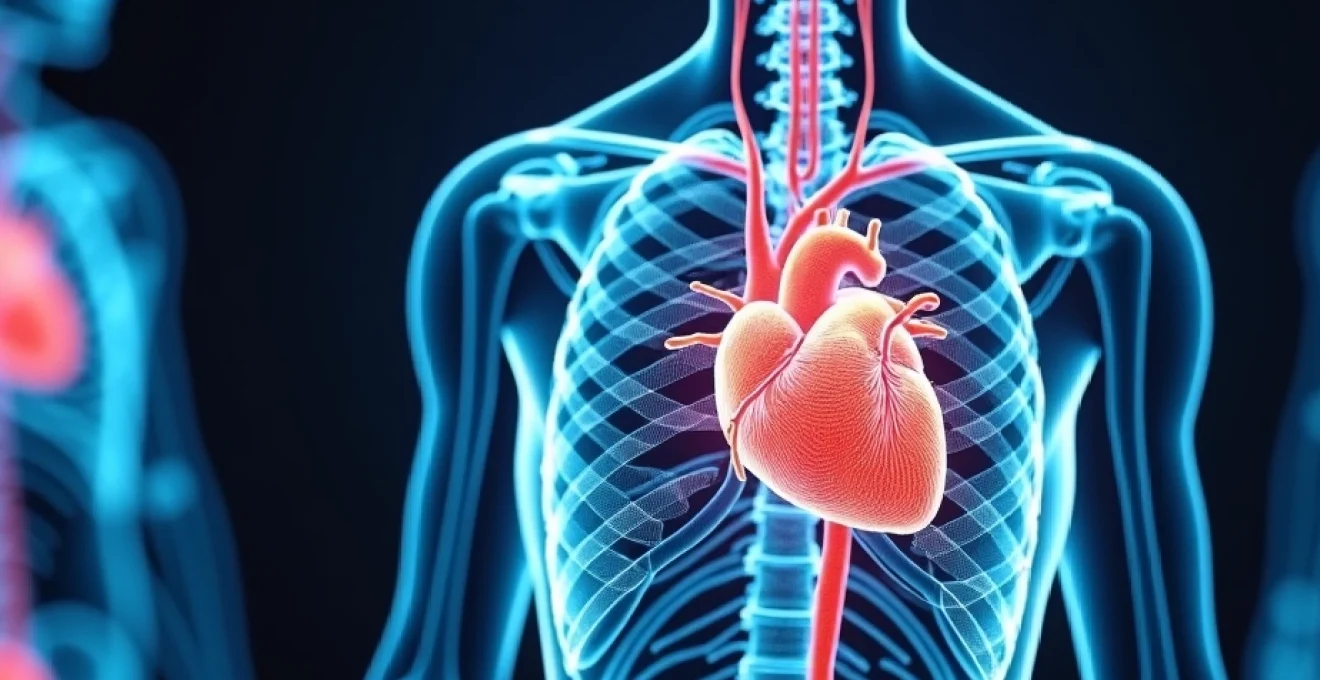
When your cardiologist mentions a perfusion defect on your cardiac scan, you might feel concerned about what this medical terminology actually means for your heart health. A perfusion defect represents an area of your heart muscle that isn’t receiving adequate blood flow, which can indicate various cardiac conditions ranging from coronary artery disease to previous heart attacks. Understanding these findings becomes crucial for making informed decisions about your treatment and long-term cardiac care.
Myocardial perfusion imaging serves as one of the most valuable diagnostic tools in modern cardiology, providing detailed insights into how blood flows through different regions of your heart muscle. These sophisticated scans can detect problems that might not be apparent during routine examinations or even on resting electrocardiograms. The technology has revolutionised how cardiologists assess coronary artery disease, helping them determine the most appropriate treatment strategies for each patient’s unique situation.
Understanding myocardial perfusion SPECT imaging and defect detection
Single Photon Emission Computed Tomography (SPECT) myocardial perfusion imaging represents the gold standard for evaluating blood flow to your heart muscle. This sophisticated imaging technique uses radioactive tracers to create detailed three-dimensional maps of cardiac perfusion, allowing physicians to identify areas where blood flow may be compromised. The procedure typically involves injecting a small amount of radioactive material into your bloodstream, which then travels to your heart and accumulates in proportion to blood flow.
The fundamental principle behind perfusion imaging relies on the fact that healthy heart muscle receives more blood flow than damaged or stressed tissue. When you undergo this scan, the gamma camera captures images that reveal how the radioactive tracer distributes throughout your heart muscle. Areas with normal blood flow appear bright on the images, whilst regions with reduced perfusion show up as darker spots or defects.
Technetium-99m sestamibi and thallium-201 radiopharmaceutical distribution patterns
Modern perfusion imaging primarily utilises two main radioactive tracers: Technetium-99m sestamibi and Thallium-201. Each tracer has distinct characteristics that influence how physicians interpret your scan results. Technetium-99m sestamibi offers excellent image quality with lower radiation exposure, making it the preferred choice for most patients. This tracer binds to mitochondria within heart muscle cells, providing clear visualisation of viable tissue.
Thallium-201, whilst less commonly used today, provides unique information about myocardial viability and redistribution patterns. This tracer can show changes in uptake over time, helping physicians distinguish between temporary ischaemia and permanent damage. The choice between these tracers depends on various factors including your specific clinical condition, body weight, and the particular information your cardiologist needs to assess your heart health effectively.
Gamma camera acquisition protocols for cardiac SPECT studies
The gamma camera technology used in SPECT imaging has evolved significantly over recent years, incorporating advanced features that enhance image quality and diagnostic accuracy. Modern cameras can rotate around your body to capture images from multiple angles, creating comprehensive three-dimensional reconstructions of your heart. The typical acquisition protocol involves collecting images over 15-20 minutes, during which you’ll need to remain as still as possible to ensure optimal image quality.
Quality control measures built into contemporary SPECT systems help minimise artifacts and ensure reliable results. These systems automatically correct for factors such as patient motion, tissue attenuation, and scatter, which can affect image interpretation. The technological advances in gamma camera design have significantly improved the ability to detect subtle perfusion abnormalities that might have been missed with older imaging systems.
Stress testing methodologies: exercise ECG vs pharmacological vasodilators
Stress testing forms an integral component of perfusion imaging, as it reveals how your heart responds to increased demands. Exercise stress testing involves walking on a treadmill or cycling on a stationary bike whilst your heart rate and blood pressure are monitored. This approach closely mimics the natural stress your heart experiences during daily activities, providing physiologically relevant information about coronary artery function.
When exercise testing isn’t feasible due to physical limitations, pharmacological stress agents offer an excellent alternative. Medications such as adenosine, dipyridamole, or dobutamine can simulate the effects of exercise by increasing heart rate or dilating coronary arteries. These pharmacological agents enable comprehensive cardiac assessment even in patients who cannot achieve adequate exercise levels, ensuring that all individuals can benefit from perfusion imaging regardless of their physical capabilities.
Normal perfusion patterns in left ventricular myocardial segments
Understanding normal perfusion patterns helps put your scan results into proper perspective. The left ventricle, your heart’s main pumping chamber, is divided into 17 standardised segments for analysis purposes. Each segment corresponds to specific coronary artery territories, allowing physicians to correlate perfusion defects with particular blood vessels that might be narrowed or blocked.
In a normal perfusion scan, all 17 segments should show uniform tracer uptake, appearing bright and homogeneous on the images. The apex of the heart may naturally appear slightly less bright due to its thinner muscle wall, but this represents a normal variant rather than pathology.
Normal perfusion patterns demonstrate even distribution of the radioactive tracer throughout all myocardial segments, indicating adequate blood flow to all regions of the heart muscle.
Interpreting perfusion defect classifications on SPECT myocardial perfusion imaging
Perfusion defects are categorised based on their appearance in stress and rest images, with each classification providing specific information about the underlying cardiac condition. This systematic approach to defect classification enables cardiologists to distinguish between different types of heart problems and determine the most appropriate treatment strategies. The classification system considers factors such as defect size, severity, and reversibility patterns.
The interpretation process involves comparing stress images with rest images to identify differences in tracer uptake patterns. Areas that show reduced uptake during stress but normal uptake at rest indicate reversible ischaemia, whilst regions with persistently reduced uptake suggest fixed defects. This comparative analysis provides crucial information about myocardial viability and the potential benefits of revascularisation procedures.
Fixed perfusion defects: myocardial infarction and scar tissue identification
Fixed perfusion defects appear as areas of reduced tracer uptake that persist in both stress and rest images. These defects typically indicate regions of myocardial scar tissue from previous heart attacks or other forms of cardiac damage. The severity of fixed defects correlates with the extent of tissue damage, with severe defects suggesting transmural infarction affecting the full thickness of the heart wall.
However, not all fixed defects represent irreversible damage. Some may indicate hibernating myocardium – viable heart muscle that has reduced function due to chronic underperfusion. Distinguishing between scar tissue and hibernating myocardium requires additional testing, such as viability studies using specific imaging protocols or alternative tracers. This distinction becomes particularly important when considering revascularisation procedures, as hibernating myocardium may recover function after restoring adequate blood flow.
Reversible ischaemic defects: Stress-Induced hypoperfusion analysis
Reversible perfusion defects represent one of the most clinically significant findings on myocardial perfusion imaging. These defects appear during stress but normalise at rest, indicating that the affected heart muscle becomes ischaemic when oxygen demands increase. This pattern strongly suggests the presence of significant coronary artery stenosis that limits blood flow during periods of increased cardiac workload.
The size and severity of reversible defects provide important prognostic information and guide treatment decisions. Large reversible defects affecting multiple coronary territories indicate extensive coronary artery disease and carry higher risks for future cardiac events.
Patients with extensive reversible perfusion defects often benefit significantly from revascularisation procedures, which can improve symptoms and potentially enhance long-term survival.
Partially reversible defects: hibernating myocardium assessment
Partially reversible defects show characteristics of both fixed and reversible patterns, with some improvement in tracer uptake from stress to rest but not complete normalisation. These defects often indicate a mixture of viable and non-viable tissue within the same myocardial region. The viable component may represent hibernating myocardium that could potentially recover function with appropriate intervention.
Assessment of partially reversible defects requires careful analysis of the degree of reversibility and correlation with other clinical factors. The extent of reversibility helps predict which patients might benefit from revascularisation procedures. Advanced imaging techniques such as late redistribution thallium imaging or metabolic imaging with fluorodeoxyglucose PET can provide additional information about myocardial viability in these complex cases.
Severity grading systems: summed stress score and summed difference score
Standardised scoring systems help quantify the extent and severity of perfusion abnormalities, providing objective measures for treatment planning and prognostic assessment. The summed stress score evaluates the overall burden of perfusion defects during stress, whilst the summed difference score measures the extent of reversible ischaemia. These scores range from 0 (normal) to 68 (severe abnormalities in all segments).
Perfusion defects are graded on a scale from 0 to 4, where 0 represents normal uptake and 4 indicates no detectable tracer uptake. Scores help standardise reporting and enable comparison between different studies over time. The quantitative approach to perfusion assessment reduces inter-observer variability and provides more objective criteria for clinical decision-making, particularly when determining the need for invasive procedures or assessing treatment response.
Coronary artery territory mapping and vascular distribution patterns
Understanding the relationship between perfusion defects and specific coronary arteries helps cardiologists determine which blood vessels require intervention. The 17-segment model divides the left ventricle into territories supplied by the three main coronary arteries: the left anterior descending artery, left circumflex artery, and right coronary artery. Each territory has characteristic perfusion patterns that help identify the culprit vessel in cases of coronary artery disease.
The left anterior descending artery typically supplies the anterior wall, anterior septum, and cardiac apex. Perfusion defects in these regions often indicate stenosis or occlusion of this vessel or its major branches. The left circumflex artery supplies the lateral wall and sometimes the inferior wall, depending on the individual’s coronary anatomy. The right coronary artery usually supplies the inferior wall and often the posterior wall and right ventricle.
However, coronary anatomy can vary significantly between individuals, with some people having right-dominant circulation whilst others have left-dominant or co-dominant patterns. These anatomical variations can influence the interpretation of perfusion defects and must be considered when correlating scan findings with coronary angiography results. Multi-vessel disease may produce complex perfusion patterns that require careful analysis to identify all affected territories.
The correlation between perfusion defect patterns and coronary artery territories enables precise localisation of stenotic vessels, facilitating targeted interventional procedures and optimal revascularisation strategies.
This territorial mapping becomes particularly valuable when planning percutaneous coronary interventions or bypass surgery, as it helps prioritise which vessels should be treated first based on the extent of ischaemic territory they supply.
Clinical implications of perfusion defects in coronary artery disease management
The presence and characteristics of perfusion defects significantly influence treatment decisions and patient management strategies. Small, mild defects may be managed conservatively with optimal medical therapy, including antiplatelet agents, statins, and anti-ischaemic medications. However, large or severe defects, particularly those involving multiple vascular territories, often warrant more aggressive interventions such as percutaneous coronary intervention or coronary artery bypass surgery.
The reversibility of perfusion defects plays a crucial role in determining the potential benefits of revascularisation procedures. Patients with extensive reversible ischaemia are more likely to experience symptom relief and improved quality of life following successful revascularisation. Studies have demonstrated that the extent of reversible ischaemia correlates with the magnitude of clinical benefit achieved through coronary interventions, helping justify the risks and costs associated with these procedures.
Risk stratification based on perfusion imaging findings helps identify patients at higher risk for future cardiac events. High-risk features include large perfusion defects affecting more than 10% of the left ventricle, transient ischaemic dilatation, and stress-induced reduction in left ventricular function. These findings may prompt more aggressive medical management, closer follow-up, and consideration of prophylactic interventions even in asymptomatic patients.
The prognostic value of perfusion imaging extends beyond initial diagnosis, as serial studies can monitor disease progression and treatment response over time. Changes in defect size or severity may indicate worsening coronary disease requiring adjustment of medical therapy or consideration of revascularisation. Conversely, improvement in perfusion patterns following treatment provides objective evidence of therapeutic success and may guide decisions about medication optimisation or activity restrictions.
False positive results and imaging artefacts in perfusion SPECT studies
Understanding potential sources of false positive results helps put your scan findings into proper clinical context. Soft tissue attenuation represents one of the most common causes of apparent perfusion defects that don’t reflect true coronary artery disease. Breast tissue in women can create apparent defects in the anterior wall, whilst diaphragmatic attenuation may produce false defects in the inferior wall. Modern imaging techniques, including attenuation correction and prone positioning, help minimise these artifacts.
Technical factors can also influence scan interpretation and potentially create misleading results. Patient motion during image acquisition can blur the images and create apparent defects. Inadequate stress levels during exercise testing may fail to reveal significant coronary stenosis, leading to false negative results. Quality control measures implemented during image acquisition and processing help identify and correct many of these technical issues before they affect clinical interpretation.
Certain patient characteristics can predispose to false positive findings, including obesity, large breast size, and previous cardiac surgery. Medications such as caffeine or theophylline can interfere with pharmacological stress agents, potentially affecting test accuracy. Clinical correlation with symptoms, exercise capacity, and other cardiac risk factors remains essential for proper interpretation of perfusion imaging results.
Recent advances in imaging technology, including new detector systems and reconstruction algorithms, have significantly reduced the incidence of artifacts and improved diagnostic accuracy. Hybrid SPECT/CT systems enable precise anatomical localisation of perfusion defects and help distinguish true abnormalities from technical artifacts. These technological improvements continue to enhance the reliability of perfusion imaging as a diagnostic tool for coronary artery disease assessment and treatment planning.