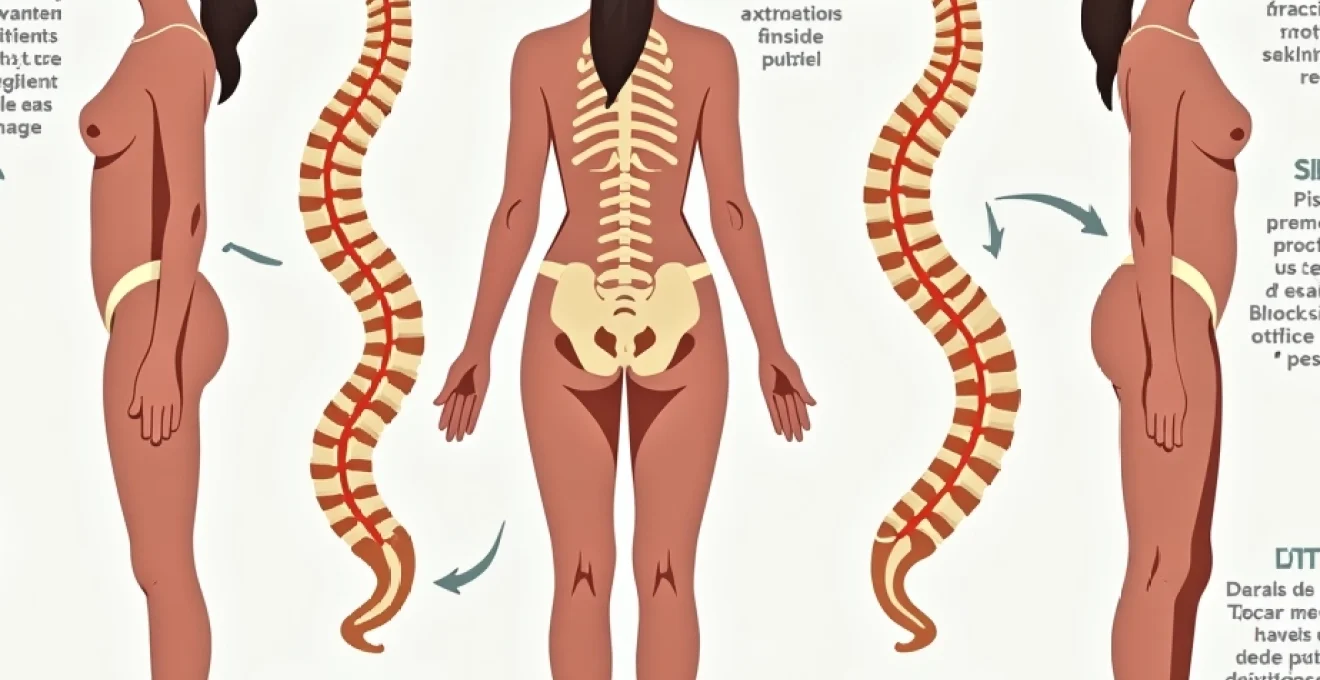
Spinal fusion surgery represents one of the most significant orthopaedic procedures, fundamentally altering the biomechanics of your spine whilst providing relief from chronic pain and instability. The question of when intimate physical activity can safely resume following this procedure is both medically complex and deeply personal. Understanding the intricate healing process, the various surgical approaches employed, and the specific timeline for bone graft integration becomes essential for making informed decisions about resuming sexual activity.
The journey back to intimate physical relationships involves careful consideration of multiple factors, from the type of fusion performed to individual healing rates. Modern spinal surgery has evolved significantly, with minimally invasive techniques often allowing for faster recovery times compared to traditional open procedures. However, the fundamental principle remains unchanged: premature return to physical activity can compromise surgical outcomes and potentially lead to hardware failure or pseudarthrosis.
Understanding spinal fusion recovery timeline and sexual activity restrictions
The recovery timeline following spinal fusion surgery varies considerably depending on the surgical approach, number of levels fused, and individual patient factors. Most orthopaedic surgeons recommend waiting between six to twelve weeks before resuming sexual activity, though this timeframe can be significantly shorter for patients undergoing minimally invasive endoscopic procedures. The critical factor isn’t merely the passage of time, but rather the achievement of specific healing milestones that indicate your spine can safely handle the physical stresses associated with intimate activity.
During the initial recovery phase, your body undergoes a complex biological process of bone formation and remodelling. The bone graft material, whether autograft, allograft, or synthetic, must integrate with your existing vertebrae to create a solid fusion mass. This process, known as osseointegration , typically requires a minimum of six weeks to establish initial stability, though complete consolidation may take six to twelve months.
Posterolateral fusion healing process and bone graft integration
Posterolateral fusion represents one of the most common approaches to spinal arthrodesis, involving the placement of bone graft material along the transverse processes and facet joints. This technique relies on the body’s natural healing response to create new bone formation between adjacent vertebrae. The healing process occurs in distinct phases: the inflammatory phase (first week), the soft callus formation phase (weeks 2-6), and the hard callus remodelling phase (months 3-12).
During the initial six weeks following posterolateral fusion, the bone graft exists in a relatively fragile state. Sexual activity involving significant spinal movement, particularly rotation and lateral bending, can disrupt the delicate healing process. The forces generated during intimate physical activity can exceed the mechanical strength of the developing fusion mass, potentially leading to graft displacement or failure to achieve solid arthrodesis.
ALIF and PLIF procedure recovery differences for intimate activities
Anterior Lumbar Interbody Fusion (ALIF) and Posterior Lumbar Interbody Fusion (PLIF) procedures involve different surgical approaches and healing considerations that directly impact the timeline for resuming sexual activity. ALIF procedures, performed through an anterior abdominal approach, typically involve less disruption to the posterior spinal muscles but may result in temporary sexual dysfunction due to potential injury to the superior hypogastric plexus.
PLIF procedures, whilst avoiding the risk of retrograde ejaculation associated with anterior approaches, involve more extensive posterior muscle dissection and may require longer periods of movement restriction. Patients undergoing PLIF typically experience greater initial discomfort and may need to avoid positions that involve spinal extension for extended periods. The interbody cage placement in both procedures provides immediate structural support, potentially allowing for earlier return to controlled sexual activity compared to posterolateral fusion alone.
Cervical vs lumbar fusion sexual position limitations
The anatomical location of your fusion significantly influences both the timeline for resuming sexual activity and the specific position limitations you’ll need to observe. Cervical fusion procedures typically allow for earlier return to sexual activity, often within four to six weeks, as the cervical spine experiences less mechanical stress during intimate physical activity. However, patients must avoid positions that involve extreme neck extension or rotation, which could compromise the healing fusion.
Lumbar fusion procedures present more complex considerations due to the significant forces that the lower spine experiences during various sexual positions. The lumbar spine serves as the primary load-bearing segment of the vertebral column, and sexual activity can generate substantial compressive, rotational, and shear forces. Positions involving deep flexion, extension, or twisting motions may need to be avoided for several months following surgery.
Hardware stability assessment using bridwell fusion grading system
The Bridwell Fusion Grading System provides orthopaedic surgeons with a standardised method for assessing fusion quality and hardware stability. This grading system, ranging from Grade I (fused with remodelling) to Grade IV (probable pseudarthrosis), helps determine when patients can safely return to unrestricted physical activity, including sexual intimacy. Patients achieving Grade I or II fusion status typically receive clearance for full activity resumption earlier than those showing signs of incomplete fusion.
Your surgeon will use radiographic evidence combined with clinical assessment to determine your fusion grade and provide specific recommendations regarding sexual activity resumption. Hardware loosening or migration can occur in the early post-operative period, making regular monitoring essential. The presence of stable hardware doesn’t necessarily indicate readiness for unrestricted sexual activity, as the biological fusion process remains the primary determinant of spinal stability.
Medical clearance protocols and orthopaedic surgeon consultation requirements
Obtaining proper medical clearance before resuming sexual activity represents a crucial step in ensuring both your safety and the long-term success of your spinal fusion. Most orthopaedic surgeons follow established protocols that include clinical examination, imaging studies, and functional assessments before providing clearance for intimate physical activity. These protocols help identify potential complications early and ensure that your spine has achieved sufficient stability to handle the mechanical demands of sexual intimacy.
The consultation process typically involves a comprehensive discussion of your symptoms, functional capabilities, and concerns about resuming intimate relationships. Your surgeon will assess factors such as pain levels, neurological function, and overall mobility before making specific recommendations. Many patients find that discussing sexual activity with their surgeon feels awkward, but remember that sexual health is an integral component of overall quality of life and recovery.
Post-operative X-Ray evidence of fusion progression
Serial X-ray examinations provide essential information about fusion progression and hardware stability throughout your recovery period. Typically performed at six weeks, three months, six months, and one year post-operatively, these imaging studies help your surgeon track the development of solid bony bridging between fused segments. The presence of continuous bone formation across the fusion site, without evidence of hardware loosening or graft resorption, indicates positive fusion progression.
X-ray evidence of early fusion formation doesn’t necessarily indicate readiness for unrestricted sexual activity, as the radiographic appearance often lags behind the actual mechanical strength of the developing fusion mass. Your surgeon will correlate imaging findings with clinical symptoms and functional capacity to make informed recommendations about activity progression. Dynamic flexion-extension X-rays may be obtained to assess the stability of the fusion construct under physiological loading conditions.
CT scan confirmation of solid arthrodesis before resuming sexual activity
Computed tomography (CT) scanning provides superior detail of bone formation and fusion quality compared to conventional X-rays. Many surgeons obtain CT scans at three to six months post-operatively to confirm solid arthrodesis before clearing patients for unrestricted activity. The multiplanar imaging capability of CT allows for detailed assessment of bone bridging in multiple planes, providing confidence in the mechanical integrity of the fusion construct.
CT evidence of solid arthrodesis typically indicates that your spine can safely handle the forces associated with sexual activity. However, the timing of CT scanning varies among surgeons, and some may rely primarily on clinical assessment and plain radiographs for clearance decisions. Three-dimensional CT reconstruction can provide particularly detailed visualisation of complex fusion constructs, especially in cases involving multi-level procedures or revision surgery.
Oswestry disability index scoring for functional assessment
The Oswestry Disability Index (ODI) serves as a standardised tool for assessing functional disability related to lower back problems. This questionnaire specifically includes items related to sexual function, making it particularly relevant for patients considering resumption of intimate activity following spinal fusion. ODI scores below 20% typically indicate minimal disability and may suggest readiness for return to normal sexual activity, whilst scores above 40% often indicate significant functional limitations.
Regular ODI assessment throughout your recovery provides objective documentation of functional improvement and helps guide decisions about activity progression. Your surgeon may use ODI scores in conjunction with other clinical measures to determine appropriate timing for sexual activity resumption. The sexual function component of the ODI directly addresses concerns about pain and disability during intimate moments, providing valuable insight into your readiness for physical intimacy.
Pain scale evaluation using visual analogue scale measurements
Visual Analogue Scale (VAS) pain measurements provide objective documentation of your pain levels throughout the recovery process. Most surgeons consider VAS scores below 3-4 out of 10 as indicative of acceptable pain levels for resuming normal activities, including sexual intimacy. However, the relationship between pain scores and functional capacity isn’t always linear, and some patients may experience manageable pain levels that don’t significantly interfere with intimate activity.
Pain medication usage often influences both pain scores and sexual function. Narcotic pain medications can significantly impact libido and sexual performance, whilst anti-inflammatory medications may provide adequate pain control without these side effects. Timing pain medication before intimate activity can help ensure comfort whilst minimising interference with sexual function. Regular pain assessment helps your healthcare team adjust medications and activity recommendations as your recovery progresses.
Biomechanical considerations for safe sexual positioning after spinal surgery
Understanding the biomechanical forces that occur during sexual activity becomes essential for protecting your healing fusion whilst maintaining intimacy with your partner. The human spine experiences complex loading patterns during intimate physical activity, including axial compression, bending moments, and rotational stresses. These forces can be significantly modified through careful position selection and movement patterns, allowing for safe resumption of sexual activity even during the early healing phases.
Research indicates that certain sexual positions generate forces comparable to activities of daily living, whilst others can produce loads exceeding those experienced during heavy lifting or vigorous exercise. By understanding these biomechanical principles, you can make informed decisions about position selection that prioritise both safety and satisfaction. The goal isn’t to eliminate all spinal movement, but rather to control and limit forces that could compromise your healing fusion.
Flexion and extension movement restrictions in various intimate positions
Spinal flexion and extension represent the primary movement patterns that must be carefully controlled following fusion surgery. Excessive flexion can increase intradiscal pressure at adjacent levels and create significant tension forces across the fusion construct. Extension movements, particularly when combined with axial loading, can generate high compressive forces and may compromise healing bone graft material.
Positions that maintain neutral spinal alignment whilst minimising extreme flexion or extension offer the safest approach to resuming intimate activity. Side-lying positions typically provide excellent control over spinal positioning whilst allowing for comfortable intimacy. The use of supportive pillows can help maintain proper spinal alignment and reduce the risk of inadvertent movement into restricted ranges. Communication with your partner about movement limitations becomes essential for ensuring both safety and mutual satisfaction.
Rotational stress limitations following Multi-Level fusion procedures
Rotational movements create some of the highest stresses across spinal fusion constructs, particularly in multi-level procedures where the remaining mobile segments must accommodate increased rotational demands. The coupled motion patterns of the spine mean that rotation rarely occurs in isolation, often combining with lateral bending and flexion-extension movements to create complex loading scenarios.
Multi-level fusion procedures require more stringent rotational restrictions due to the increased mechanical demands placed on adjacent segments and the larger fusion construct. Positions and movements that involve twisting motions should be avoided for extended periods, often 12-16 weeks or until solid arthrodesis is confirmed. The gradual return to rotational activities should be guided by clinical symptoms and imaging evidence of fusion progression.
Weight-bearing considerations for different surgical approaches
The surgical approach used for your fusion procedure significantly influences weight-bearing considerations during sexual activity. Anterior approaches typically provide immediate structural support through interbody cage placement, potentially allowing for earlier tolerance of compressive loads. Posterior approaches may rely more heavily on posterior instrumentation for immediate stability, with different implications for weight-bearing activities.
Partner positioning and weight distribution become critical considerations, particularly for the partner who underwent surgery. Being in a weight-bearing position too early in the recovery process can generate excessive compressive forces across the healing fusion. Alternative positioning strategies that minimise weight-bearing whilst maintaining intimacy should be explored and discussed with your healthcare provider. The use of supportive surfaces and props can help distribute forces more evenly and reduce peak loads on the spine.
Neutral spine alignment maintenance during physical intimacy
Maintaining neutral spine alignment represents one of the most important principles for safe sexual activity following fusion surgery. Neutral alignment minimises stress across the fusion construct whilst optimising load distribution to surrounding tissues. This concept requires understanding of proper spinal positioning and the ability to recognise and avoid positions that compromise optimal alignment.
Education about neutral spine positioning should begin early in your recovery process and continue throughout the return to normal activities. Physical therapy often includes training in proper body mechanics and positioning strategies that can be applied to intimate situations. The use of visual and tactile feedback can help you develop awareness of spinal positioning and maintain safe alignment during physical activity.
Risk factors and complications associated with premature sexual activity
Premature return to sexual activity following spinal fusion surgery carries significant risks that can compromise both immediate recovery and long-term surgical outcomes. The most serious complication involves disruption of the developing fusion mass, potentially leading to pseudarthrosis or nonunion. This condition requires revision surgery in many cases and can result in persistent pain and functional limitation. Understanding these risks helps patients make informed decisions about timing their return to intimate physical activity.
Hardware complications represent another significant concern when sexual activity is resumed too early. The forces generated during intimate physical activity can exceed the fatigue limits of spinal instrumentation, particularly when the biological fusion hasn’t yet provided adequate support. Screw loosening, rod breakage, and cage migration have all been reported in cases where patients returned to vigorous physical activity prematurely. These complications often require additional surgery and extended recovery periods.
Neurological complications, whilst less common, can occur when excessive forces are applied to a healing spine. Nerve root irritation or compression can result from hardware migration or excessive movement at the surgical site. Patients may experience new onset radicular pain, numbness, or weakness that wasn’t present immediately after surgery. Early recognition and treatment of these symptoms is essential for preventing permanent neurological damage.
Wound healing complications can also be exacerbated by premature physical activity. Excessive movement and stretching of the surgical incision can lead to wound dehiscence, increased scarring, or infection. Sexual activity that involves significant movement or positioning near the surgical site should be avoided until complete wound healing has occurred. Your surgeon will assess wound healing progress during follow-up visits and provide specific guidance about safe positioning relative to your incision.
The consequences of premature return to sexual activity can extend far beyond immediate complications, potentially affecting long-term spinal stability and overall quality of life. A cautious, graduated approach to resuming intimate physical activity represents the best strategy for protecting your surgical investment whilst optimising long-term outcomes.
Physical therapy progression milestones before resuming intimate relations
Physical therapy plays a crucial role in preparing your body for the safe resumption of sexual activity following spinal fusion surgery. The progression through specific therapeutic milestones provides objective evidence of your readiness to handle the physical demands of intimate relationships. Most comprehensive rehabilitation programmes include graduated exercise protocols that systematically challenge your spine’s ability to handle increasing loads and movement demands.
The initial phase of physical therapy focuses on basic mobility and pain management, typically beginning within days of surgery. Early mobilisation helps prevent complications such as blood clots and pneumonia whilst promoting healthy tissue healing. Gentle walking programmes and basic range-of-motion exercises form the foundation of early rehabilitation efforts. Achievement of independent ambulation and basic self-care activities represents the first major milestone in your recovery journey.
Core strengthening exercises typically begin around 6-8 weeks post-operatively, depending on your surgeon’s preferences and fusion healing progress. The ability to perform basic core stabilisation exercises without pain or excessive fatigue indicates improving spinal stability and may suggest readiness for careful resumption of sexual activity. Progressive resistance training helps restore the muscular support necessary for protecting your spine during physical activity.
Functional movement assessments become increasingly important as you progress through rehabilitation. Your physical therapist will evaluate your ability
to perform complex movement patterns that simulate the physical demands of intimate activity. These assessments may include activities such as rolling in bed, transitioning between positions, and maintaining specific postures for extended periods. Successful completion of these functional tasks provides confidence in your ability to engage in sexual activity safely.
The final milestone involves demonstrating tolerance for moderate cardiovascular activity and sustained physical effort. Sexual activity can be surprisingly demanding from a cardiovascular perspective, and your ability to tolerate activities such as brisk walking or stationary cycling for 20-30 minutes indicates sufficient fitness for intimate physical activity. Heart rate and blood pressure responses to exercise provide additional indicators of your physiological readiness for the increased demands of sexual intimacy.
Long-term sexual health outcomes following successful spinal arthrodesis
The long-term sexual health outcomes following successful spinal fusion are generally very positive, with most patients reporting significant improvements in both pain levels and sexual satisfaction compared to their pre-operative status. Research indicates that approximately 85-90% of patients experience either maintained or improved sexual function within one year of surgery. The elimination of chronic pain represents the most significant factor contributing to improved sexual health, as persistent pain had often severely limited intimate relationships prior to surgical intervention.
Studies tracking patients for five years or more post-fusion demonstrate sustained improvements in sexual satisfaction and frequency of intimate activity. The initial concerns about reduced spinal mobility are typically offset by the dramatic reduction in pain and improved overall quality of life. Many patients report feeling more confident about their physical capabilities and more willing to engage in intimate activities without fear of exacerbating their spinal condition. Partner satisfaction scores also show significant improvement, reflecting the positive impact of successful pain relief on intimate relationships.
However, it’s important to acknowledge that some patients may experience persistent limitations in certain sexual positions or activities. Multi-level fusion procedures, particularly those involving the lumbar spine, may result in permanent restrictions on extreme spinal movements. The key to long-term sexual satisfaction lies in adaptation and creativity, working with your partner to discover positions and techniques that provide mutual satisfaction whilst respecting your physical limitations.
Age and pre-operative sexual function serve as important predictors of long-term outcomes. Younger patients and those with active sexual relationships prior to the onset of spinal problems typically achieve better long-term sexual health outcomes. Patients who had experienced significant sexual dysfunction due to chronic pain often see the most dramatic improvements following successful fusion surgery. The restoration of confidence and reduction in pain-related anxiety contribute significantly to improved sexual experiences.
Communication with healthcare providers about sexual health concerns should continue throughout the long-term recovery period. Some patients may benefit from counselling or therapy to address psychological aspects of intimacy that developed during their period of chronic pain and disability. Couples therapy can be particularly beneficial for partners who need to rebuild intimacy and trust after extended periods of limited physical connection due to spinal problems.
The investment in spinal fusion surgery extends far beyond pain relief, offering the potential for restored intimacy and improved quality of life for both patients and their partners. With proper timing, medical clearance, and attention to biomechanical principles, the vast majority of patients can look forward to a fulfilling and active intimate relationship following successful spinal arthrodesis. The journey back to sexual health may require patience and adaptation, but the long-term outcomes typically justify the temporary restrictions and careful approach required during the recovery process.