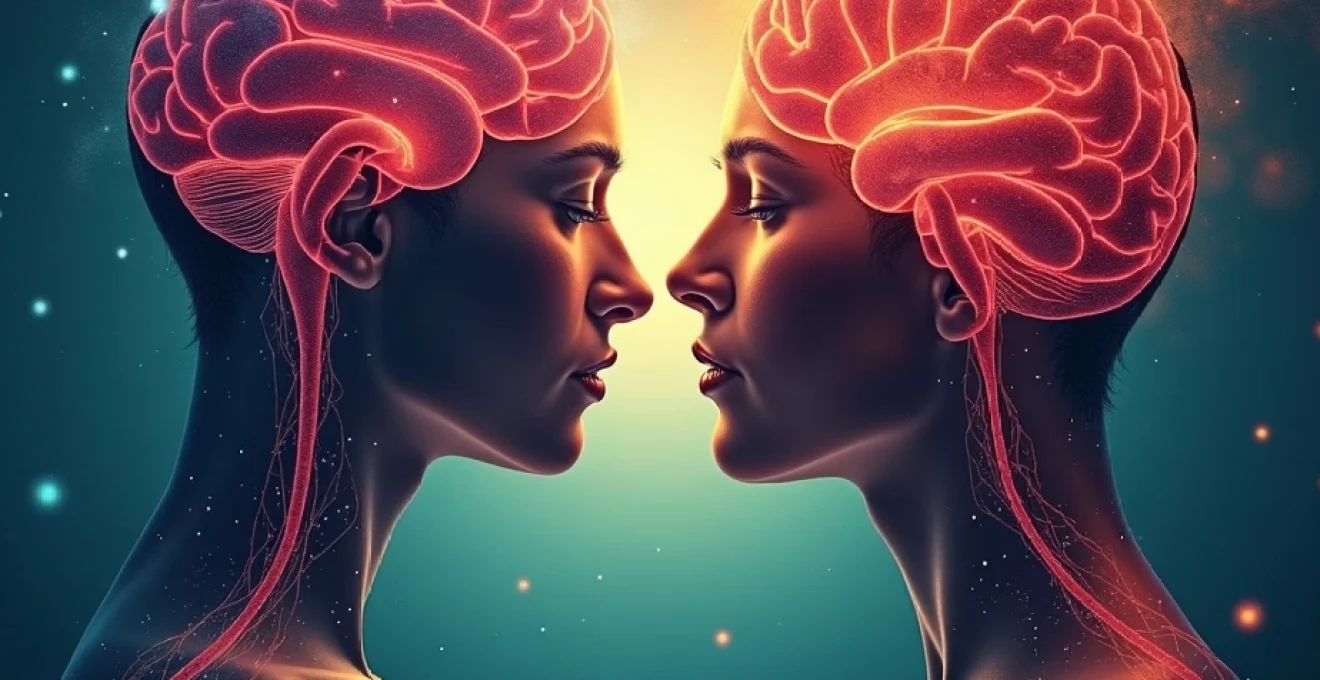
The profound physical and emotional intensity of orgasm can trigger unexpected responses, including tears that seem to emerge without explanation. This phenomenon, experienced by millions worldwide, challenges common assumptions about sexual pleasure and highlights the complex neurobiological processes occurring during climactic moments. Recent research reveals that crying after orgasm affects approximately 46% of women and 41% of men at some point in their lives, making it far more prevalent than previously understood.
The intersection of intense physical sensation, hormonal surges, and emotional vulnerability creates a perfect storm for unexpected emotional release. Understanding why tears flow after moments of peak pleasure requires examining the intricate dance between brain chemistry, psychological processing, and physiological responses that characterise human sexual experience.
Neurobiological mechanisms behind Post-Orgasmic emotional release
The human brain undergoes remarkable transformations during sexual climax, with multiple neural networks activating simultaneously to produce the cascade of sensations we recognise as orgasm. These complex neurobiological processes create conditions ripe for emotional overwhelm, as the brain struggles to integrate intense sensory input with the dramatic chemical changes occurring throughout the body.
Oxytocin and prolactin surge during sexual climax
During orgasm, the brain releases substantial quantities of oxytocin , often dubbed the “bonding hormone,” which facilitates emotional connection and trust between partners. This neurochemical surge can intensify feelings of vulnerability and attachment, potentially triggering tears as individuals process these heightened emotional states. The oxytocin release during climax can be up to five times higher than baseline levels, creating an emotional intensity that some people find overwhelming.
Prolactin, another key hormone released during orgasm, contributes to the post-climactic emotional landscape by promoting feelings of satisfaction and relaxation. However, the rapid shift from heightened arousal to prolactin-induced calm can create a jarring emotional transition. This dramatic hormonal swing mirrors the neurochemical changes observed in other intense emotional experiences, explaining why some individuals find themselves unexpectedly tearful following sexual release.
Dopamine depletion and serotonin rebound effects
The dopamine system, crucial for pleasure and reward processing, experiences significant fluctuations during sexual activity. Peak orgasmic moments trigger massive dopamine releases, creating intense pleasure sensations. However, the subsequent rapid depletion of available dopamine can leave individuals feeling temporarily depleted or emotionally vulnerable, manifesting as unexpected crying episodes.
Serotonin, the neurotransmitter associated with mood regulation, exhibits complex rebound patterns following orgasm. The initial suppression of serotonin during sexual arousal allows for uninhibited pleasure responses, but the post-orgasmic serotonin surge can create mood instability. This neurochemical rebalancing process sometimes triggers emotional releases that individuals experience as crying or feelings of melancholy , even after satisfying sexual experiences.
Parasympathetic nervous system activation and cathartic response
The transition from sympathetic nervous system dominance during sexual arousal to parasympathetic activation following orgasm represents a profound physiological shift. This change activates the body’s “rest and digest” responses, including emotional processing mechanisms that may have been suppressed during the intensity of sexual activity. The parasympathetic activation can trigger cathartic emotional releases as the nervous system processes accumulated stress and tension.
Research indicates that this autonomic nervous system transition creates optimal conditions for emotional catharsis. The deep relaxation following orgasm allows suppressed emotions to surface, potentially resulting in tears that serve as a healthy release mechanism. This process mirrors therapeutic techniques that use physical relaxation to facilitate emotional processing and healing.
Hypothalamic-pituitary-adrenal axis dysregulation
The hypothalamic-pituitary-adrenal (HPA) axis, responsible for stress response regulation, experiences significant disruption during intense sexual experiences. Orgasmic intensity can temporarily dysregulate this system, leading to unpredictable hormonal cascades that influence emotional responses. Cortisol levels, typically suppressed during sexual activity, may experience rebound effects that contribute to post-orgasmic emotional volatility.
This HPA axis disruption can be particularly pronounced in individuals with existing stress or trauma histories. The temporary loss of emotional regulation during sexual climax may allow underlying psychological material to surface, manifesting as unexpected crying episodes. Understanding this mechanism helps explain why some people experience more frequent post-orgasmic emotional responses during periods of increased life stress.
Post-orgasmic dysphoric disorder: clinical recognition and diagnosis
The clinical recognition of post-orgasmic emotional disturbances has evolved significantly over the past decade, with researchers identifying specific patterns of symptoms that constitute genuine psychological phenomena rather than isolated incidents. Post-coital dysphoria (PCD) and post-coital tristesse (PCT) represent the primary clinical frameworks for understanding persistent negative emotions following sexual activity.
DSM-5 classification criteria and diagnostic challenges
Currently, post-orgasmic dysphoric responses lack formal recognition in the Diagnostic and Statistical Manual of Mental Disorders (DSM-5), creating challenges for healthcare providers seeking to address patient concerns. However, emerging research suggests that persistent post-orgasmic distress may warrant clinical attention, particularly when symptoms significantly impact sexual functioning or relationship satisfaction.
Proposed diagnostic criteria focus on the consistency, duration, and severity of post-orgasmic emotional responses. Individuals experiencing regular distress lasting more than 30 minutes following orgasm, particularly when this distress interferes with sexual desire or relationship dynamics, may benefit from professional evaluation. The challenge lies in distinguishing between normal emotional processing and pathological responses requiring intervention.
Prevalence rates in male and female populations
Recent epidemiological studies reveal surprising prevalence rates for post-orgasmic crying and emotional distress. A comprehensive 2018 survey of 1,208 males found that 41% reported experiencing post-coital dysphoria, with 4% indicating regular occurrence. Among female populations, prevalence rates appear even higher, with studies documenting rates between 32% and 46% for occasional post-orgasmic emotional distress.
Gender differences in reporting and symptom expression complicate accurate prevalence assessment. Women more commonly report tearfulness and sadness, while men frequently describe feelings of emptiness, irritability, or unexplained melancholy . These gender-specific patterns may reflect both biological differences in hormone processing and socialisation factors that influence emotional expression and reporting.
Differential diagnosis from depression and anxiety disorders
Distinguishing post-orgasmic emotional responses from underlying mood disorders requires careful clinical assessment. Individuals with existing depression or anxiety may experience more frequent or intense post-orgasmic distress, but the phenomenon can also occur in psychologically healthy individuals. The key diagnostic distinction lies in the temporal relationship between sexual activity and symptom onset.
Clinicians must assess whether crying episodes occur exclusively following sexual activity or represent broader emotional dysregulation patterns. True post-orgasmic dysphoria typically resolves within hours and doesn’t significantly impact mood between sexual encounters. When post-orgasmic distress persists or generalises to other life areas, underlying mood disorders should be considered and appropriately treated.
Barry komisaruk’s research on orgasmic brain activity
Pioneering neuroimaging research has revolutionised understanding of orgasmic brain activity and its emotional consequences. Brain imaging studies reveal that orgasm activates over 30 distinct brain regions, including areas responsible for emotional processing, memory formation, and stress response. This widespread neural activation creates conditions for complex emotional reactions that may not align with the pleasure typically associated with sexual climax.
The research demonstrates that orgasmic brain activity patterns closely resemble those observed during intense emotional experiences, including both positive and negative emotional states. This neurological similarity helps explain why orgasm can trigger unexpected emotional responses, including tears, even when the sexual experience itself was pleasurable and satisfying.
Psychological trauma processing through sexual release
Sexual intimacy and orgasmic experiences can serve as powerful triggers for processing unresolved psychological trauma, even in individuals who may not consciously recognise their trauma history. The vulnerability and intensity inherent in sexual climax can create conditions where the psyche attempts to process and integrate difficult emotional material that has been stored in the body and unconscious mind.
Somatic experiencing theory and bodily memory storage
Somatic experiencing theory suggests that traumatic experiences become encoded in the body’s nervous system, creating physical and emotional patterns that can be triggered by intense experiences like orgasm. The profound physical release associated with sexual climax may activate these stored trauma responses, resulting in unexpected emotional reactions including crying, anxiety, or feelings of vulnerability.
The body’s capacity to store emotional memories in muscular tension, breathing patterns, and nervous system responses means that sexual intimacy can inadvertently access these stored experiences. During orgasm, the temporary dissolution of psychological defenses may allow these bodily memories to surface, manifesting as tears or emotional overwhelm that seems disproportionate to the current sexual experience.
Post-traumatic stress disorder symptom manifestation
Individuals with PTSD may experience particularly intense post-orgasmic emotional responses as sexual activity can trigger trauma-related memories or sensations. The hypervigilance and emotional dysregulation characteristic of PTSD can be temporarily overwhelmed by orgasmic intensity, leading to emotional flooding once the climactic experience subsides.
Sexual trauma survivors may find that even consensual, pleasurable sexual experiences trigger unexpected crying episodes due to the complex associations between physical intimacy and traumatic memories. The neurobiological changes during orgasm can activate trauma-related neural pathways, creating emotional responses that may seem disconnected from the current positive sexual experience.
Attachment theory and Intimacy-Related emotional triggers
Attachment patterns formed in early childhood significantly influence how individuals process intimate experiences, including sexual encounters. Those with insecure attachment styles may find that the intense bonding chemicals released during orgasm trigger fears of abandonment, rejection, or emotional overwhelm, manifesting as post-orgasmic tears or distress.
The temporary fusion and vulnerability experienced during sexual climax can activate attachment-related fears or longings, particularly for individuals with histories of inconsistent or traumatic caregiving. The oxytocin surge during orgasm may intensify attachment needs while simultaneously triggering defensive responses, creating an internal conflict that expresses itself through emotional release.
Peter levine’s trauma resolution through physical release
Trauma resolution theory emphasises the importance of completing thwarted defensive responses through physical discharge. Orgasmic experiences may serve as natural opportunities for this type of trauma resolution, allowing the nervous system to complete interrupted fight-or-flight responses through intense physical and emotional release.
The shaking, crying, or emotional overwhelm that sometimes follows orgasm may represent the nervous system’s attempt to discharge trapped survival energy from past traumatic experiences. This perspective frames post-orgasmic emotional responses as potentially healing rather than problematic, suggesting that tears following sexual climax may serve important psychological and physiological functions in trauma recovery.
Hormonal fluctuations and emotional lability patterns
The hormonal landscape following orgasm creates conditions for significant emotional variability, with multiple neurochemical systems attempting to reestablish equilibrium after intense activation. These hormonal fluctuations can trigger unexpected emotional responses, including crying episodes that seem disconnected from the preceding pleasurable experience. Understanding these patterns helps normalise post-orgasmic emotional reactions and provides insight into their biological basis.
Estrogen and testosterone levels both influence post-orgasmic emotional responses, with fluctuations in these hormones affecting neurotransmitter sensitivity and emotional processing capacity. Women may experience more pronounced hormonal swings due to menstrual cycle variations, while men’s hormonal patterns following ejaculation can create temporary emotional vulnerability. These gender-specific hormonal responses contribute to the different ways men and women experience and express post-orgasmic emotions.
The interplay between stress hormones and sex hormones creates additional complexity in post-orgasmic emotional responses. Cortisol suppression during sexual activity followed by rebound effects can amplify emotional reactivity, making individuals more susceptible to crying or other intense emotional expressions. This hormonal dance explains why the same individual might experience vastly different emotional responses to orgasm depending on their current stress levels, relationship dynamics, or overall health status.
Research indicates that individuals with hormone-related conditions such as thyroid disorders, PMDD, or hormonal contraceptive use may experience more frequent or intense post-orgasmic emotional responses. These conditions can amplify the natural hormonal fluctuations associated with sexual climax, creating heightened emotional sensitivity that manifests as unexpected tears or mood changes following otherwise satisfying sexual experiences.
Therapeutic interventions for Post-Climax emotional distress
When post-orgasmic crying becomes distressing or interferes with sexual enjoyment, various therapeutic approaches can help individuals understand and manage these responses. Cognitive-behavioural therapy (CBT) techniques can be particularly effective in helping individuals reframe their understanding of post-orgasmic emotions and develop coping strategies for managing intense emotional responses.
Mindfulness-based interventions offer valuable tools for processing post-orgasmic emotions without judgment or distress. Learning to observe emotional responses with curiosity rather than alarm can transform potentially distressing experiences into opportunities for self-understanding and emotional growth. Mindful awareness practices can help individuals distinguish between different types of post-orgasmic tears, recognising when crying represents healthy emotional release versus concerning psychological distress.
Somatic therapies focusing on body awareness and nervous system regulation can be particularly beneficial for individuals whose post-orgasmic crying relates to trauma processing or nervous system dysregulation. These approaches help individuals develop tools for managing intense emotional and physical sensations while building capacity for tolerating emotional intensity without becoming overwhelmed.
Professional guidance becomes essential when post-orgasmic emotional responses significantly impact sexual desire, relationship satisfaction, or overall psychological well-being.
Sex therapy specifically addresses the intersection of emotional and sexual functioning, providing specialised interventions for individuals struggling with post-orgasmic distress. AASECT-certified sex therapists possess specific training in addressing complex emotional responses to sexual experiences and can help individuals develop personalised strategies for managing post-orgasmic emotions while maintaining sexual satisfaction and intimacy.
Couples therapy may be beneficial when post-orgasmic crying affects relationship dynamics or partner understanding. Educating partners about the biological and psychological basis of post-orgasmic emotions can reduce blame, confusion, or hurt feelings while developing supportive responses that enhance rather than diminish intimate connection.
Gender-specific variations in Post-Orgasmic crying response
Biological and social factors create distinct patterns in how different genders experience and express post-orgasmic emotions. Women more frequently report sadness, tearfulness, and emotional overwhelm following orgasm, while men commonly describe feelings of emptiness, irritability, or unexpected melancholy. These differences reflect complex interactions between hormonal profiles, neurological processing patterns, and cultural socialisation regarding emotional expression.
Female hormonal cycles significantly influence post-orgasmic emotional responses, with many women reporting increased likelihood of post-climax crying during specific phases of their menstrual cycle. The luteal phase, characterised by declining estrogen levels, appears to correlate with increased emotional reactivity following sexual activity. Hormonal contraceptives can also affect these patterns, with some women experiencing changes in post-orgasmic emotional responses when starting or stopping hormonal birth control methods.
Male post-orgasmic emotional responses often relate to the dramatic prolactin surge following ejaculation, which can create temporary mood changes lasting several hours. The refractory period experienced by most men following orgasm corresponds with specific hormonal and neurochemical changes that can influence emotional processing and expression. Understanding these biological patterns helps normalise male experiences of post-orgasmic emotional vulnerability.
Non-binary and transgender individuals may experience unique post-orgasmic emotional responses influenced by hormone therapy, gender dysphoria, or the complex relationship between physical sensation and gender identity.
Cultural and social factors significantly shape how individuals interpret and respond to post-orgasmic emotions. Societal expectations regarding emotional expression can influence whether individuals view their tears as normal, concerning, or shameful. These cultural frameworks affect help-seeking behaviours and the likelihood that individuals will discuss their experiences with partners or healthcare providers.
Age-related factors also influence post-orgasmic emotional responses, with hormonal changes during menopause, andropause, or other life transitions affecting the frequency and intensity of emotional reactions following sexual climax. Older adults may experience different patterns of post-orgasmic emotions due to changes in hormone production, medication effects, or evolving relationship dynamics that accompany life stage transitions.