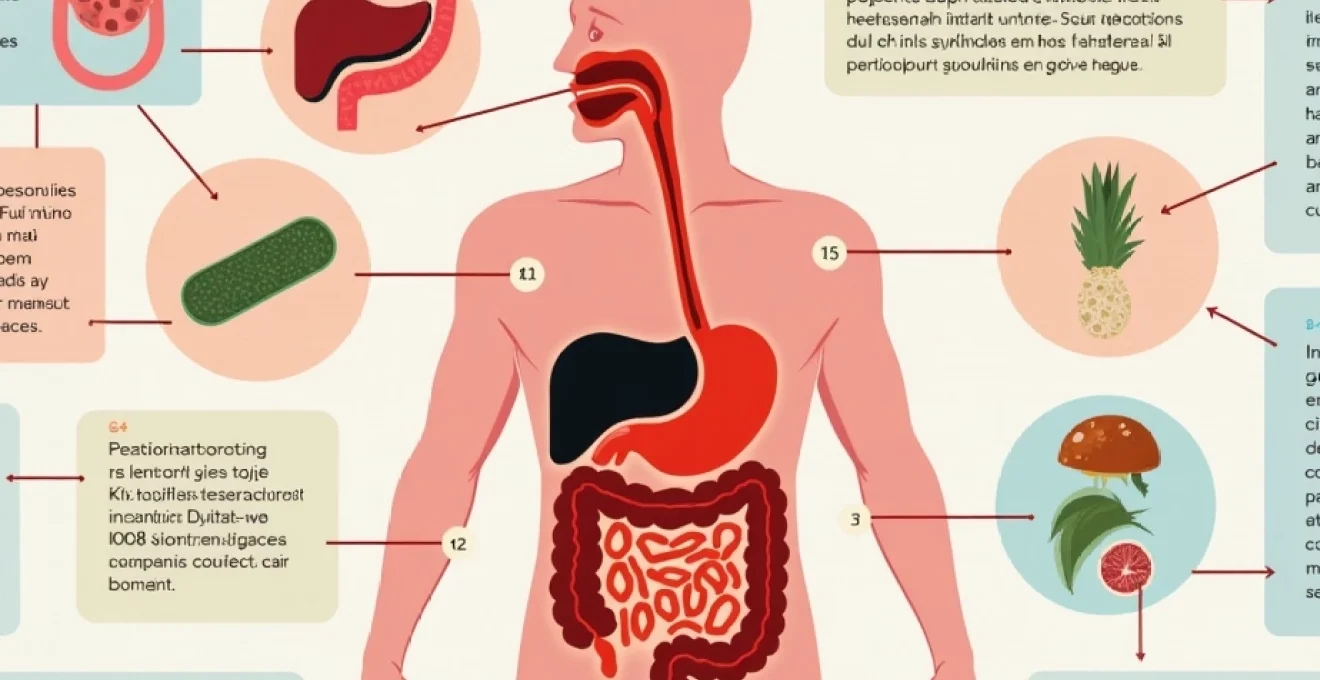
Synthroid, the brand name for levothyroxine sodium, represents one of the most commonly prescribed medications worldwide, treating millions of patients with hypothyroidism. Despite its widespread use, many patients struggle with understanding why strict administration guidelines exist, particularly the requirement to take this medication on an empty stomach. The absorption of levothyroxine is remarkably sensitive to various gastrointestinal conditions, food interactions, and timing protocols that can significantly impact therapeutic outcomes.
Research consistently demonstrates that improper administration of levothyroxine can reduce bioavailability by 30-80%, leading to suboptimal thyroid hormone replacement and potential treatment failures. Understanding the complex mechanisms behind these interactions becomes crucial for healthcare professionals and patients seeking optimal therapeutic management of hypothyroidism.
Levothyroxine sodium absorption mechanisms in gastrointestinal tract
The absorption of levothyroxine sodium occurs primarily through specific transport mechanisms located within the small intestinal mucosa. This process involves multiple cellular transport systems working in concert to facilitate the uptake of synthetic thyroid hormone from the gastrointestinal lumen into systemic circulation. The complexity of these mechanisms explains why environmental factors can so dramatically affect medication efficacy.
Small intestinal jejunum transport pathways for synthetic T4
The jejunum section of the small intestine serves as the primary absorption site for levothyroxine, utilising specialised transport proteins embedded within enterocyte membranes. These transport pathways demonstrate remarkable specificity for thyroid hormone molecules, requiring optimal pH conditions and specific cellular environments to function effectively. Research indicates that approximately 60-80% of orally administered levothyroxine undergoes absorption within the first two hours following ingestion when taken under fasting conditions.
Monocarboxylate transporter 8 (MCT8) role in thyroid hormone uptake
MCT8 represents one of the most important cellular transport mechanisms for thyroid hormone uptake, facilitating the movement of levothyroxine across intestinal epithelial barriers. This transporter demonstrates high affinity for thyroid hormones and operates through sodium-independent mechanisms that require specific cellular energy conditions. Clinical studies have shown that MCT8 dysfunction can result in significant reductions in levothyroxine bioavailability, emphasising the importance of maintaining optimal gastrointestinal conditions for proper transport function.
Organic anion transporting polypeptide (OATP) influence on bioavailability
OATP transporters contribute significantly to levothyroxine absorption through their ability to recognise and transport organic anions across cellular membranes. These transport proteins demonstrate particular sensitivity to changes in luminal pH and the presence of competing substrates, including various food components and medications. Studies have documented that OATP inhibition can reduce levothyroxine absorption by up to 40%, highlighting the critical nature of maintaining optimal absorption conditions.
Ph-dependent dissolution kinetics of levothyroxine tablets
The dissolution of levothyroxine tablets requires specific acidic conditions typically found in the fasting stomach, with optimal pH levels ranging between 1.5-3.0. This acidic environment facilitates the breakdown of tablet excipients and promotes the solubilisation of levothyroxine sodium for subsequent absorption. When gastric pH increases due to food intake or acid-suppressing medications, tablet dissolution becomes significantly impaired, leading to reduced drug availability for intestinal absorption.
Food-drug interactions affecting synthroid bioavailability
Food components present numerous challenges for levothyroxine absorption through various molecular interaction mechanisms. These interactions can occur through direct chemical binding, alteration of gastrointestinal pH, modification of transit time, or interference with cellular transport systems. Understanding these interactions becomes essential for optimising therapeutic outcomes and preventing treatment failures.
Calcium carbonate chelation with levothyroxine molecules
Calcium ions demonstrate a particularly strong affinity for levothyroxine molecules, forming stable chelation complexes that prevent drug absorption. This interaction occurs rapidly in the presence of calcium-rich foods or supplements, creating insoluble complexes that cannot be transported across intestinal membranes. Clinical studies have documented that concurrent calcium intake can reduce levothyroxine absorption by 20-25%, with effects persisting for up to four hours following calcium consumption.
Research demonstrates that calcium-levothyroxine chelation represents one of the most clinically significant food-drug interactions affecting thyroid hormone replacement therapy.
Coffee and Tannin-Based compound interference studies
Coffee consumption presents complex challenges for levothyroxine absorption through multiple interference mechanisms involving caffeine, tannins, and various organic compounds. These substances can bind directly to levothyroxine molecules, alter gastric emptying patterns, and modify intestinal pH conditions. Recent studies indicate that coffee consumption within one hour of levothyroxine administration can reduce absorption by 25-30%, with espresso-based beverages showing particularly pronounced effects.
High-fibre foods impact on gastrointestinal transit time
Dietary fibre significantly affects levothyroxine absorption through modification of gastrointestinal transit time and direct binding interactions. Soluble fibres can form gel-like matrices that trap levothyroxine molecules, preventing their contact with absorptive surfaces. Additionally, high-fibre meals accelerate gastric emptying and intestinal transit, reducing the time available for drug dissolution and absorption. Studies demonstrate that high-fibre breakfast consumption can decrease levothyroxine bioavailability by 15-20%.
Soya protein isoflavone binding mechanisms
Soya products contain isoflavones and proteins that demonstrate significant binding affinity for levothyroxine molecules, creating complexes that resist intestinal absorption. These interactions occur through hydrogen bonding and van der Waals forces that stabilise drug-protein complexes within the gastrointestinal tract. Clinical evidence suggests that regular soya consumption may require levothyroxine dose adjustments of 10-15% to maintain therapeutic thyroid hormone levels.
Clinical pharmacokinetics of fasting versus fed state administration
The pharmacokinetic profile of levothyroxine demonstrates dramatic differences between fasting and fed state administration, affecting all major parameters including peak concentrations, total exposure, and time to maximum effect. These differences have profound implications for therapeutic monitoring and dose optimisation strategies.
Peak plasma concentration (cmax) variations in fed conditions
Peak plasma concentrations of levothyroxine show significant reductions when administered with food compared to fasting conditions. Studies consistently demonstrate Cmax reductions ranging from 20-40% when levothyroxine is taken with various meal types. The magnitude of this reduction correlates directly with meal composition, particularly protein and calcium content. High-fat meals show the most pronounced effects, with some studies reporting Cmax reductions exceeding 50%.
Area under curve (AUC) reduction with concurrent food intake
Total drug exposure, measured as area under the plasma concentration-time curve (AUC), experiences substantial decreases when levothyroxine is administered with food. Clinical trials have documented AUC reductions of 25-45% across various food types, with consistent patterns observed regardless of patient demographics. This reduction in total exposure directly correlates with decreased therapeutic efficacy and may necessitate significant dose adjustments to maintain adequate thyroid hormone replacement.
Time to maximum concentration (tmax) delays in postprandial state
Food intake significantly delays the time required to achieve maximum levothyroxine plasma concentrations, with delays ranging from 1-3 hours depending on meal composition. These Tmax delays affect the onset of therapeutic action and can impact patient symptoms, particularly in individuals requiring precise thyroid hormone control. The delayed absorption pattern also complicates therapeutic monitoring, as standard blood sampling times may not reflect true peak drug exposure.
Gastric acid secretion requirements for optimal dissolution
Proper levothyroxine dissolution requires adequate gastric acid secretion to maintain the acidic environment necessary for tablet breakdown and drug solubilisation. The fasting stomach typically maintains pH levels between 1-2, providing optimal conditions for levothyroxine dissolution. This acidic environment serves multiple functions, including the breakdown of tablet excipients, solubilisation of the active pharmaceutical ingredient, and preparation of the drug for subsequent intestinal absorption.
Food intake triggers immediate gastric acid neutralisation through buffering mechanisms, raising stomach pH to levels between 4-6 that persist for 2-4 hours postprandially. This pH elevation significantly impairs levothyroxine dissolution, with studies showing decreased dissolution rates of 40-60% at pH levels above 3.5. Additionally, certain foods and beverages, particularly those high in protein or calcium, demonstrate enhanced buffering capacity that prolongs gastric pH elevation.
Patients using proton pump inhibitors or other acid-suppressing medications face particular challenges with levothyroxine absorption due to chronically elevated gastric pH. These individuals may require dose adjustments of 25-50% to achieve therapeutic thyroid hormone levels, highlighting the critical importance of gastric acidity for optimal drug dissolution. The timing of acid-suppressing medication administration relative to levothyroxine becomes crucial for maintaining therapeutic efficacy .
Gastric acid secretion represents the first critical step in levothyroxine absorption, with inadequate acidity resulting in poor dissolution and subsequent therapeutic failure.
Medication timing protocols for maximum therapeutic efficacy
Optimal levothyroxine administration requires adherence to specific timing protocols designed to maximise drug absorption and therapeutic outcomes. The standard recommendation involves taking levothyroxine 30-60 minutes before breakfast on an empty stomach, allowing adequate time for drug dissolution and absorption before food intake interferes with these processes. This timing protocol has been validated through numerous clinical studies demonstrating superior therapeutic outcomes compared to alternative dosing strategies.
Alternative timing strategies, including evening administration 3-4 hours after the last meal, have gained attention as potential solutions for patients struggling with morning dosing requirements. Research comparing evening versus morning administration has shown equivalent therapeutic outcomes when proper fasting intervals are maintained. Evening dosing may offer advantages for certain patient populations, particularly those taking multiple morning medications or experiencing gastrointestinal sensitivity.
The consistency of administration timing proves as important as the specific time chosen, with studies demonstrating improved therapeutic stability when patients maintain regular dosing schedules. Variations in administration timing of more than 2 hours can result in fluctuating thyroid hormone levels and symptom variability. Healthcare providers increasingly emphasise the importance of routine establishment to optimise patient adherence and therapeutic outcomes.
Special considerations apply to specific patient populations, including pregnant women who may require more frequent dose adjustments and monitoring, elderly patients with multiple comorbidities affecting absorption, and individuals with gastrointestinal disorders impacting drug uptake. These populations may benefit from modified timing protocols tailored to their specific physiological needs and medication requirements.
TSH suppression variability related to administration conditions
Thyroid-stimulating hormone (TSH) suppression demonstrates significant variability based on levothyroxine administration conditions, with improper dosing techniques resulting in suboptimal hormone replacement and elevated TSH levels. Clinical studies have documented TSH variations of 30-50% between optimal and suboptimal administration conditions, emphasising the critical importance of proper dosing protocols for achieving therapeutic targets.
The Brazilian study referenced in clinical literature demonstrated that patients taking levothyroxine with breakfast experienced average TSH levels of 2.9 mU/L compared to 1.9 mU/L when taking medication on an empty stomach. While both values remained within normal ranges, this 52% increase in TSH levels indicates incomplete thyroid hormone replacement that could lead to persistent hypothyroid symptoms. The study’s findings highlight the practical implications of administration timing on therapeutic outcomes.
Individual patient variability in response to different administration conditions presents additional challenges for therapeutic optimisation. Some patients demonstrate greater sensitivity to food interactions, experiencing more pronounced TSH elevations when levothyroxine is taken with meals. This variability necessitates individualised treatment approaches and regular monitoring to ensure adequate hormone replacement regardless of administration method chosen.
Long-term implications of suboptimal levothyroxine absorption include persistent hypothyroid symptoms, increased cardiovascular risk, and potential complications related to inadequate thyroid hormone replacement. Patients experiencing TSH elevations due to improper administration may require dose increases that could have been avoided through optimal dosing protocols. The economic impact includes increased healthcare costs related to additional monitoring, dose adjustments, and management of persistent symptoms resulting from inadequate hormone replacement .