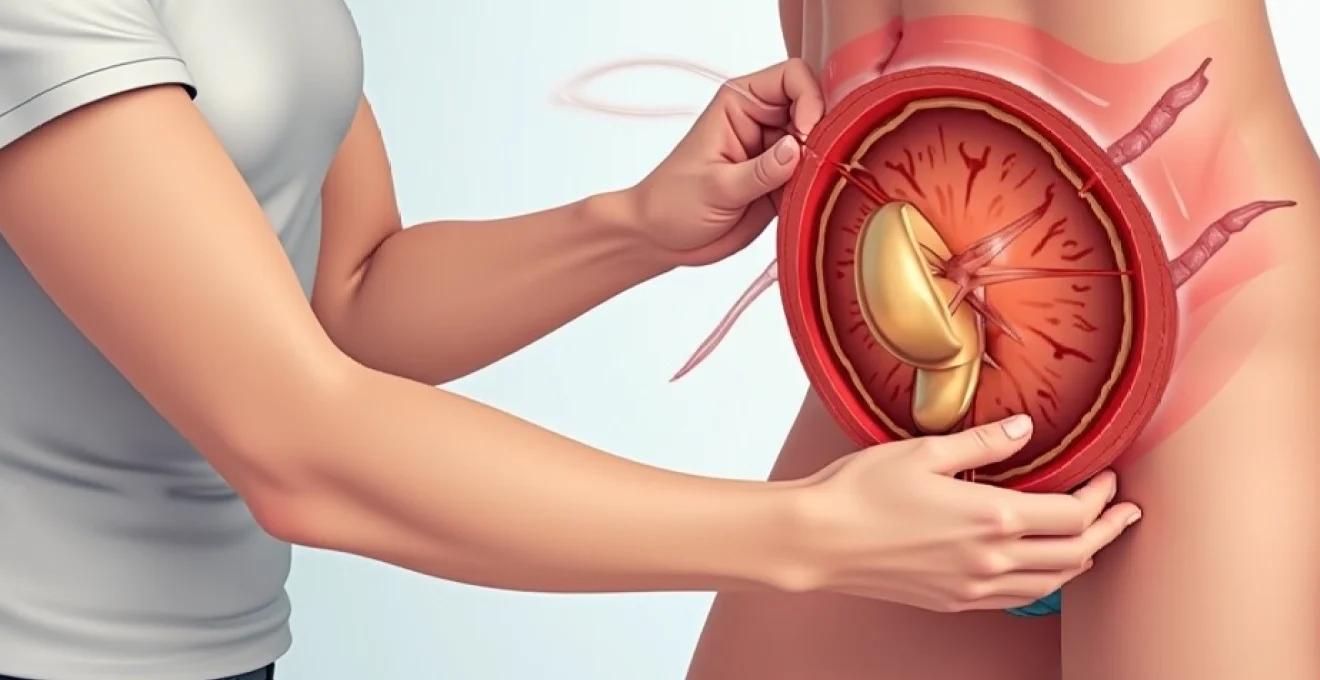
Testicular tightness represents one of the most common yet misunderstood concerns affecting male reproductive health. This persistent sensation of constriction in the scrotal area can significantly impact daily comfort and quality of life, leading many individuals to seek answers about the underlying causes and effective treatment options. The phenomenon encompasses a complex interplay of anatomical, physiological, and environmental factors that contribute to chronic scrotal muscle contraction and testicular discomfort.
Understanding the mechanisms behind persistent testicular tightness requires examination of the intricate relationship between the cremasteric and dartos muscles, hormonal influences, and various medical conditions that can affect scrotal function. From inflammatory processes to structural abnormalities, numerous factors can contribute to this uncomfortable sensation. Recognition of these contributing elements is essential for developing appropriate management strategies and ensuring optimal testicular health outcomes.
Anatomical factors contributing to scrotal tension and testicular tightness
The male reproductive anatomy features sophisticated mechanisms designed to protect and regulate testicular function through precise temperature control and positioning. These anatomical structures, when functioning improperly or becoming overactive, can contribute to persistent sensations of tightness and discomfort in the scrotal region.
Cremasteric muscle hyperactivity and involuntary contractions
The cremasteric muscle serves as the primary mechanism for testicular elevation and temperature regulation, responding to various stimuli including cold exposure, physical contact, and emotional stress. When this muscle becomes hyperactive, it can cause excessive testicular retraction, leading to persistent feelings of tightness and discomfort. This hyperactivity often manifests as involuntary contractions that occur throughout the day, creating a sensation of constant tension in the scrotal area.
Several factors can trigger cremasteric muscle hyperactivity, including heightened stress responses, certain medications, and neurological conditions affecting muscle control. The muscle’s sensitivity to temperature changes can also become exaggerated, causing it to contract more frequently and intensely than necessary for proper thermoregulation. This oversensitivity creates a cycle of chronic muscle tension that contributes to the persistent tightness many individuals experience.
Dartos muscle dysfunction and scrotal wall rigidity
The dartos muscle, located within the scrotal wall itself, plays a crucial role in maintaining scrotal texture and positioning. When this smooth muscle becomes dysfunctional or chronically contracted, it can create a rigid, tight sensation throughout the scrotal sac. This dysfunction often results from prolonged exposure to irritants, inflammatory conditions, or age-related changes in muscle elasticity and responsiveness.
Chronic dartos muscle contraction can significantly reduce scrotal flexibility, making the entire area feel constricted and uncomfortable. This rigidity can interfere with normal testicular movement and positioning, contributing to sensations of heaviness and tightness. The impact of dartos muscle dysfunction extends beyond mere discomfort , potentially affecting temperature regulation and overall testicular health when left unaddressed.
Tunica vaginalis inflammation and hydrocele formation
The tunica vaginalis, a protective membrane surrounding each testicle, can become inflamed due to various causes including infection, trauma, or autoimmune responses. This inflammation often leads to fluid accumulation between the membrane layers, creating a condition known as hydrocele. The resulting pressure and distension can contribute significantly to feelings of testicular tightness and heaviness.
Chronic inflammation of the tunica vaginalis creates a cascade of physiological changes that affect scrotal comfort and function. The inflammatory process can cause thickening of the membrane, reduced flexibility, and altered fluid dynamics within the scrotal compartment. These changes collectively contribute to persistent sensations of constriction and may interfere with normal testicular positioning and movement patterns.
Spermatic cord shortening and testicular retraction mechanisms
The spermatic cord, containing blood vessels, nerves, and the vas deferens, can undergo structural changes that affect testicular positioning and comfort. Shortening of the spermatic cord structures, whether due to scarring, inflammation, or congenital factors, can cause persistent testicular retraction and associated tightness sensations. This anatomical alteration affects the natural hanging position of the testicles, creating chronic tension in the scrotal area.
Testicular retraction mechanisms become problematic when they fail to allow for normal relaxation and positioning. The inability of the testicles to assume their optimal position creates ongoing mechanical stress on surrounding tissues and contributes to persistent discomfort. Understanding these retraction mechanisms is crucial for identifying appropriate treatment approaches and preventing further complications.
Medical conditions causing persistent testicular constriction
Various medical conditions can contribute to chronic testicular tightness through different pathophysiological mechanisms. These conditions range from inflammatory processes to structural abnormalities, each requiring specific diagnostic and therapeutic approaches for optimal management.
Epididymitis and chronic inflammatory response patterns
Epididymitis, inflammation of the epididymis, represents one of the most common causes of persistent testicular discomfort and tightness. This condition can develop from bacterial infections, sexually transmitted infections, or non-infectious inflammatory processes. The resulting inflammation creates swelling, pain, and alterations in normal scrotal anatomy that contribute to ongoing sensations of constriction.
Chronic epididymitis develops when initial inflammatory processes fail to resolve completely, leading to persistent tissue changes and ongoing discomfort. The chronic inflammatory response creates fibrosis and scarring within the epididymal tissue, affecting normal function and contributing to persistent tightness sensations.
The inflammatory cascade associated with chronic epididymitis can persist for months or even years, creating ongoing discomfort and functional impairment that significantly impacts quality of life.
Orchitis sequelae and Post-Infectious scarring
Orchitis, inflammation of the testicles themselves, can result from various infectious agents including viruses, bacteria, and other pathogens. The aftermath of orchitis often includes scarring, tissue fibrosis, and alterations in testicular structure that contribute to persistent sensations of tightness and discomfort. These post-infectious changes can significantly impact testicular function and comfort for extended periods following the initial infection.
Post-infectious scarring creates rigid areas within the testicular tissue that interfere with normal expansion and contraction patterns. This scarring can also affect blood flow and nerve function, contributing to abnormal sensations and persistent discomfort. The extent of post-infectious changes varies considerably between individuals, with some experiencing minimal long-term effects while others develop chronic complications requiring ongoing management.
Varicocele-induced venous congestion and scrotal heaviness
Varicoceles, enlarged veins within the scrotum, create unique patterns of discomfort and tightness through venous congestion and altered blood flow dynamics. The dilated veins can create a sensation of heaviness and fullness that many individuals interpret as tightness or constriction. This condition affects approximately 15% of men and can contribute to both discomfort and fertility issues when left untreated.
The venous congestion associated with varicoceles creates alterations in scrotal temperature regulation and can contribute to chronic inflammation in surrounding tissues. These changes affect normal scrotal function and contribute to persistent sensations of discomfort and tightness. The progressive nature of varicoceles means that symptoms often worsen over time without appropriate intervention, making early recognition and treatment particularly important.
Testicular torsion aftermath and ischaemic changes
Testicular torsion, while requiring emergency treatment, can leave lasting effects on testicular function and comfort even after successful surgical intervention. The ischaemic changes that occur during torsion episodes can create permanent alterations in testicular structure and function, contributing to ongoing sensations of tightness and discomfort. These post-torsion changes often include tissue fibrosis, altered nerve function, and modifications in normal testicular positioning mechanisms.
The aftermath of testicular torsion can include chronic pain syndromes and persistent alterations in scrotal sensation that contribute to ongoing discomfort. Even successful surgical correction cannot always prevent long-term complications, particularly when diagnosis and treatment are delayed. Understanding these potential long-term effects is crucial for managing patient expectations and developing appropriate follow-up care strategies.
Inguinal hernia compression effects on testicular positioning
Inguinal hernias can significantly impact testicular positioning and comfort through compression effects and alterations in normal anatomical relationships. The herniated tissue can create pressure on the spermatic cord and surrounding structures, contributing to sensations of tightness and discomfort in the scrotal area. This compression can also interfere with normal blood flow and nerve function, exacerbating discomfort and creating additional complications.
The relationship between inguinal hernias and testicular tightness is often overlooked in initial evaluations, leading to delays in appropriate diagnosis and treatment. Recognition of this connection is essential for comprehensive evaluation of men presenting with chronic scrotal discomfort, particularly when other obvious causes are not immediately apparent.
Hormonal imbalances affecting testicular muscle tone
Hormonal fluctuations and imbalances play a significant role in regulating testicular muscle tone and scrotal function. The complex interplay between testosterone, cortisol, and other hormones directly influences the contractile behaviour of cremasteric and dartos muscles, potentially contributing to persistent sensations of testicular tightness when these systems become disrupted.
Testosterone deficiency, whether due to primary hypogonadism or secondary causes, can affect normal muscle relaxation patterns in the scrotal area. Low testosterone levels often correlate with increased muscle tension and altered pain perception, creating conditions that favour persistent testicular tightness. The relationship between hormonal status and scrotal comfort becomes particularly apparent during periods of significant hormonal change, such as andropause or following certain medical treatments.
Elevated cortisol levels, commonly associated with chronic stress conditions, can significantly impact testicular muscle tone through effects on the sympathetic nervous system. Chronic stress hormones promote sustained muscle contraction and heightened sensitivity to pain stimuli, creating an environment where testicular tightness becomes more likely to develop and persist.
The stress-hormone-muscle tension connection creates a self-perpetuating cycle where discomfort leads to increased stress, which in turn exacerbates muscle tension and prolongs the sensation of testicular tightness.
Thyroid hormone imbalances also contribute to alterations in muscle function and tone throughout the body, including the scrotal area. Hyperthyroidism can increase muscle sensitivity and contractility, while hypothyroidism may affect muscle relaxation and recovery patterns. These hormonal influences on muscle function help explain why some individuals experience variations in testicular tightness that correlate with broader metabolic and endocrine changes.
Environmental and lifestyle triggers for scrotal muscle contraction
Environmental factors and lifestyle choices significantly influence scrotal muscle tone and contribute to sensations of testicular tightness. Understanding these triggers enables individuals to identify modifiable risk factors and implement strategies to reduce their impact on testicular comfort and overall reproductive health.
Temperature extremes represent primary environmental triggers for scrotal muscle contraction, with cold exposure causing immediate and sometimes prolonged cremasteric muscle activation. However, excessive heat exposure can also contribute to discomfort through different mechanisms, including inflammation and altered blood flow patterns. The modern lifestyle often involves frequent transitions between temperature-controlled indoor environments and varying outdoor conditions, creating repeated cycles of muscle contraction and relaxation that can contribute to chronic tension patterns.
Clothing choices play a crucial role in scrotal comfort, with tight-fitting garments creating mechanical compression that can exacerbate sensations of tightness. Synthetic fabrics that don’t breathe well can trap heat and moisture, creating conditions that promote inflammation and discomfort. The impact of clothing extends beyond immediate comfort , potentially affecting long-term testicular health through sustained compression and altered temperature regulation.
Occupational factors, particularly prolonged sitting or exposure to vibration, can contribute to chronic testicular tightness through sustained pressure and altered blood flow patterns. Men who spend extensive time in seated positions often experience increased scrotal temperature and reduced circulation, creating conditions that favour muscle tension and discomfort. Similarly, exposure to workplace chemicals or environmental toxins can trigger inflammatory responses that contribute to persistent testicular symptoms.
Physical activity patterns also influence testicular comfort, with both excessive exercise and sedentary behaviour potentially contributing to muscle tension and discomfort. High-intensity activities can cause temporary increases in cremasteric muscle activity, while lack of movement can lead to poor circulation and muscle stiffness. Finding the appropriate balance of physical activity becomes essential for maintaining optimal scrotal comfort and function.
Diagnostic approaches for evaluating chronic testicular tightness
Comprehensive evaluation of chronic testicular tightness requires a systematic approach that considers both common and uncommon causes of scrotal discomfort. The diagnostic process typically begins with detailed medical history taking, focusing on symptom onset, character, and associated factors that may provide clues to underlying pathophysiology.
Physical examination represents the cornerstone of testicular evaluation, requiring careful assessment of scrotal anatomy, testicular position, and muscle tone patterns. Skilled examination can often identify structural abnormalities, inflammatory changes, or muscle dysfunction that contribute to persistent tightness sensations. The examination technique must be thorough yet gentle to avoid exacerbating discomfort while gathering essential diagnostic information.
Imaging studies, particularly scrotal ultrasound, provide valuable information about testicular structure, blood flow patterns, and the presence of conditions such as varicoceles or hydroceles. Advanced imaging techniques can reveal subtle abnormalities that may not be apparent on physical examination alone, contributing to more accurate diagnosis and treatment planning. The non-invasive nature of ultrasound makes it an ideal first-line imaging modality for evaluating testicular complaints.
Laboratory testing may include hormone level assessments, infection screening, and inflammatory markers to identify underlying systemic conditions contributing to testicular symptoms. Comprehensive testing helps differentiate between local and systemic causes of testicular tightness, guiding appropriate treatment strategies.
The combination of clinical assessment, imaging studies, and laboratory testing creates a comprehensive diagnostic framework that maximises the likelihood of identifying treatable causes of chronic testicular tightness.
Specialized testing, such as nerve conduction studies or detailed hormone panels, may be necessary in complex cases where standard evaluation fails to identify clear causes. These advanced diagnostic approaches help identify subtle neurological or endocrine factors that contribute to persistent symptoms, enabling more targeted treatment approaches for difficult cases.
Therapeutic interventions and management strategies for testicular tension relief
Treatment approaches for chronic testicular tightness must address both underlying causes and symptomatic relief, often requiring combination therapy for optimal outcomes. The treatment strategy typically begins with conservative measures before progressing to more invasive interventions when necessary, always considering the individual patient’s specific circumstances and treatment preferences.
Conservative management approaches include lifestyle modifications, supportive garments, and physical therapy techniques designed to reduce muscle tension and improve scrotal comfort. These interventions focus on addressing modifiable risk factors while providing symptomatic relief through non-pharmacological means. The effectiveness of conservative treatments often depends on patient compliance and the underlying cause of the tightness sensation.
Pharmacological interventions may include anti-inflammatory medications, muscle relaxants, or hormone replacement therapy, depending on the identified underlying causes. These treatments target specific pathophysiological mechanisms contributing to testicular tightness, often providing significant symptom relief when appropriately selected and dosed. The choice of pharmacological intervention requires careful consideration of potential side effects and contraindications, particularly in men of reproductive age.
Surgical interventions become necessary when conservative and medical treatments fail to provide adequate relief, or when structural abnormalities require correction. Procedures such as varicocelectomy, hydrocele repair, or hernia correction can address specific anatomical causes of testicular tightness, often providing lasting symptom resolution. The decision to pursue surgical treatment requires careful weighing of potential benefits against surgical risks and recovery requirements.
Emerging treatment modalities, including nerve blocks, minimally invasive procedures, and novel therapeutic approaches, offer additional options for men with refractory symptoms. These advanced treatments often provide relief when traditional approaches have been unsuccessful, expanding the therapeutic options available for managing chronic testicular tightness. The development of new treatment technologies continues to improve outcomes for men with persistent scrotal discomfort, offering hope for those who have not found relief through conventional approaches.