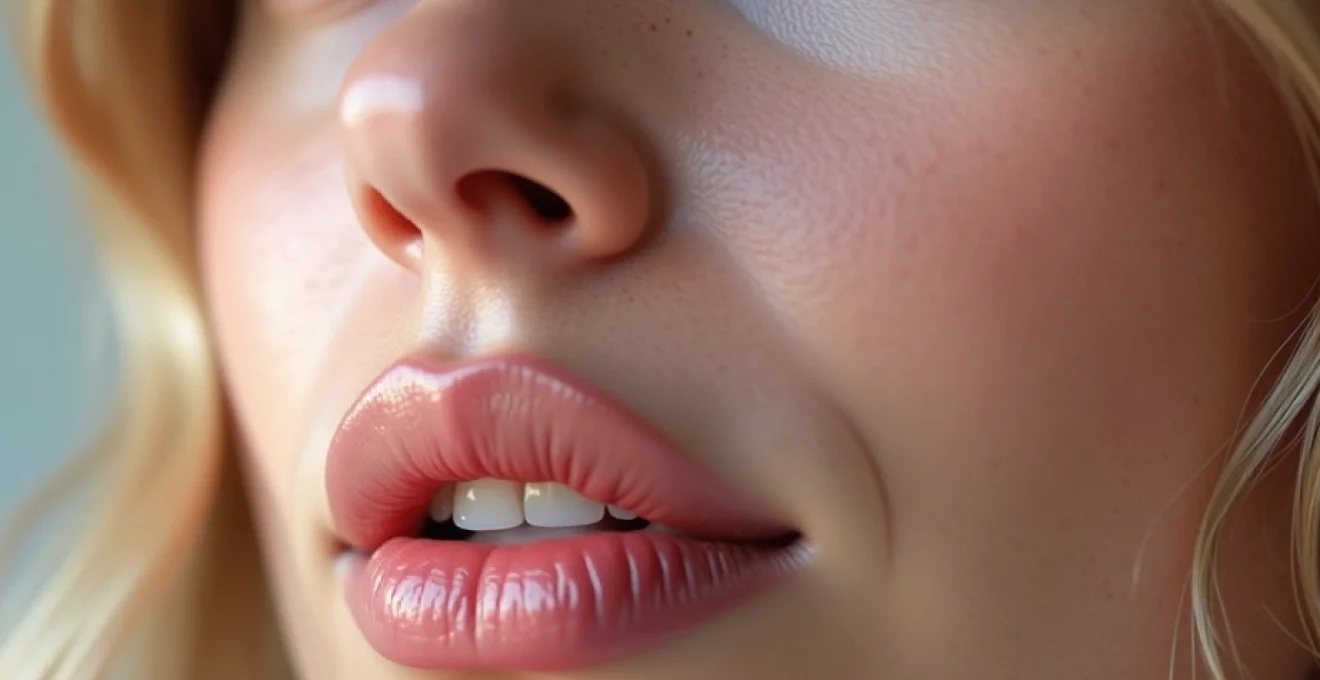
Upper lip twitching affects millions of people worldwide, manifesting as involuntary muscle contractions that can range from barely noticeable tremors to pronounced spasms. This common neurological phenomenon occurs when the complex network of facial muscles receives erratic nerve signals, causing the orbicularis oris muscle around your mouth to contract unexpectedly. While most cases of lip twitching are benign and temporary, understanding the underlying mechanisms can help you identify when these fasciculations might indicate something more serious requiring medical attention.
The facial muscles responsible for lip movement are controlled by intricate neural pathways that can be disrupted by various factors ranging from everyday stress to serious neurological conditions. Modern research reveals that lip twitching affects approximately 15-20% of adults at some point in their lives, with the upper lip being particularly susceptible due to its rich nerve supply and frequent use in facial expressions and speech.
Neurological mechanisms behind facial muscle fasciculations
Facial muscle fasciculations represent complex neurological events involving the seventh cranial nerve, also known as the facial nerve. This critical neural pathway controls 43 muscles in your face, including the precise muscles responsible for upper lip movement. When functioning normally, motor neurons send coordinated electrical signals from your brainstem to these muscles, enabling smooth, controlled movements essential for speaking, eating, and facial expression.
The process begins in the facial nucleus within your brainstem, where motor neurons generate action potentials that travel down the facial nerve’s various branches. These electrical impulses must cross the neuromuscular junction, a specialised connection between nerve and muscle tissue, where neurotransmitters facilitate the conversion of electrical signals into mechanical muscle contraction. Any disruption in this sophisticated communication system can result in the involuntary muscle contractions you experience as lip twitching.
Motor neurone dysfunction and fasciculation patterns
Motor neurone dysfunction creates distinctive fasciculation patterns that medical professionals use to differentiate between benign twitching and more serious conditions. Benign fasciculation syndrome typically produces irregular, random muscle contractions that vary in intensity and location, whilst pathological fasciculations often follow more predictable patterns. In healthy individuals, occasional fasciculations occur naturally as motor neurons experience minor fluctuations in their electrical activity, particularly during periods of fatigue or stress.
The frequency and amplitude of these fasciculations depend on various factors including the health of your motor neurons, the efficiency of neurotransmitter release, and the sensitivity of muscle fibres to stimulation. Research indicates that motor neurons can fire spontaneously at rates ranging from 0.1 to 50 Hz, with higher frequencies typically associated with pathological conditions rather than benign twitching episodes.
Calcium channel disruption in orbicularis oris muscle
Calcium channel disruption plays a crucial role in triggering involuntary muscle contractions within the orbicularis oris muscle complex. These voltage-gated calcium channels regulate the flow of calcium ions into nerve terminals, directly controlling neurotransmitter release and subsequent muscle activation. When calcium homeostasis becomes disrupted due to electrolyte imbalances, medications, or metabolic disorders, it can lead to hypersensitive muscle membranes that contract spontaneously.
The orbicularis oris muscle contains multiple types of calcium channels, including L-type, N-type, and P/Q-type channels, each responding differently to various stimuli and pathological conditions. Disruption of these channels can create a cascade effect, where small electrical disturbances amplify into visible muscle contractions that manifest as upper lip twitching.
Neurotransmitter imbalances affecting facial nerve branches
Neurotransmitter imbalances significantly impact the function of facial nerve branches, particularly the buccal and marginal mandibular branches that innervate the upper lip region. Acetylcholine , the primary neurotransmitter at neuromuscular junctions, must maintain precise concentrations to ensure proper muscle function. When acetylcholine levels fluctuate due to stress, medications, or metabolic changes, it can result in erratic muscle contractions.
Additionally, gamma-aminobutyric acid (GABA), the brain’s primary inhibitory neurotransmitter, helps regulate overall neural excitability. Decreased GABA activity or increased glutamate levels can lower the threshold for muscle activation, making facial muscles more susceptible to spontaneous contractions. This neurochemical imbalance often occurs during periods of high stress or anxiety, explaining why lip twitching frequently coincides with emotional or physical strain.
Myokymia versus hemifacial spasm differentiation
Distinguishing between myokymia and hemifacial spasm requires understanding their distinct neurological origins and presentation patterns. Myokymia typically manifests as fine, continuous muscle contractions that create a rippling or undulating appearance beneath the skin, most commonly affecting the eyelid but occasionally involving the upper lip. These contractions usually result from peripheral nerve irritation and tend to be self-limiting, resolving within days to weeks.
Hemifacial spasm, conversely, involves more pronounced muscle contractions affecting one entire side of the face, often beginning around the eye before progressing to include the mouth and lip regions. This condition typically stems from vascular compression of the facial nerve at the brainstem level, requiring more intensive medical intervention. The spasms in hemifacial spasm are typically more forceful and may cause visible facial asymmetry during episodes.
Stress-induced physiological responses triggering lip twitching
Psychological stress triggers a complex cascade of physiological responses that can directly contribute to facial muscle fasciculations. When you experience stress, your body activates the hypothalamic-pituitary-adrenal axis, releasing stress hormones that affect neuromuscular function throughout your body. This stress response system evolved to prepare your body for immediate physical action, but in modern life, chronic activation can lead to persistent muscle tension and involuntary contractions.
The relationship between stress and muscle twitching involves multiple interconnected systems, including your autonomic nervous system, endocrine system, and neuromuscular apparatus. Understanding these connections helps explain why upper lip twitching often intensifies during periods of high stress, anxiety, or emotional turmoil, and why stress management techniques can be highly effective in reducing fasciculation frequency and intensity.
Cortisol-mediated muscle hyperexcitability mechanisms
Elevated cortisol levels create muscle hyperexcitability through several distinct mechanisms that directly impact facial muscle function. Chronic cortisol elevation alters sodium-potassium pump activity in muscle cell membranes, leading to changes in resting membrane potential that make muscles more susceptible to spontaneous contractions. This hormone also affects calcium handling within muscle cells, disrupting the normal excitation-contraction coupling process.
Research demonstrates that cortisol levels above 20 micrograms per decilitre can significantly increase muscle membrane excitability, with effects becoming more pronounced during prolonged stress exposure. The hormone also interferes with magnesium absorption and retention, creating secondary electrolyte imbalances that further contribute to muscle hyperirritability and twitching episodes.
Sympathetic nervous system activation and facial muscles
Sympathetic nervous system activation during stress responses directly influences facial muscle tone and reactivity through complex neurochemical pathways. When activated, the sympathetic system releases norepinephrine and epinephrine, which bind to adrenergic receptors in muscle tissue and nerve terminals. This binding increases muscle fiber sensitivity to stimulation and can trigger spontaneous contractions even in the absence of voluntary neural commands.
The facial muscles contain numerous alpha and beta adrenergic receptors, making them particularly responsive to sympathetic stimulation. During acute stress, sympathetic activation can increase facial muscle tension by up to 300% above baseline levels, creating an environment where even minor neural fluctuations can trigger visible twitching episodes.
Chronic stress impact on magnesium depletion
Chronic stress significantly depletes magnesium stores through increased urinary excretion and reduced intestinal absorption, creating conditions that promote muscle fasciculations. Magnesium serves as a natural calcium channel blocker and muscle relaxant, helping maintain proper neuromuscular function. When magnesium levels fall below optimal ranges, typically under 1.8 mg/dL in serum, muscles become hyperexcitable and prone to spontaneous contractions.
Studies indicate that chronic stress can reduce magnesium levels by 15-25% within just two weeks of onset, with effects becoming more pronounced during prolonged stress exposure. This depletion creates a vicious cycle where magnesium deficiency increases stress sensitivity, while increased stress further depletes magnesium stores, perpetuating the cycle of muscle hyperirritability and twitching.
Sleep deprivation effects on neuromuscular junction function
Sleep deprivation profoundly impacts neuromuscular junction function through multiple pathways that increase the likelihood of facial muscle fasciculations. During sleep, your nervous system undergoes crucial restorative processes, including neurotransmitter synthesis and synaptic maintenance. When you consistently get fewer than seven hours of quality sleep, these processes become compromised, leading to altered neuromuscular transmission and increased muscle excitability.
Research reveals that sleep deprivation can reduce acetylcholine receptor sensitivity by up to 40% whilst simultaneously increasing spontaneous neurotransmitter release, creating an unstable neuromuscular environment. This combination makes facial muscles more susceptible to involuntary contractions, with upper lip twitching being particularly common due to the high density of neuromuscular junctions in this region.
Electrolyte imbalances and muscular hyperirritability
Electrolyte imbalances represent one of the most common and treatable causes of upper lip twitching, affecting millions of individuals worldwide. These essential minerals maintain the delicate electrochemical gradients across cell membranes that enable proper nerve conduction and muscle contraction. When electrolyte levels deviate from optimal ranges, the resulting ionic disturbances can create conditions that promote spontaneous muscle contractions and fasciculations throughout the body, with facial muscles being particularly susceptible due to their high metabolic activity and dense innervation.
The four primary electrolytes involved in neuromuscular function—sodium, potassium, calcium, and magnesium—work synergistically to maintain membrane stability and enable coordinated muscle contractions. Even minor imbalances in these minerals can trigger a cascade of physiological changes that manifest as muscle twitching, cramping, or spasms. Understanding these relationships helps explain why certain dietary changes, medications, or medical conditions can precipitate episodes of lip twitching and why targeted electrolyte replacement often provides rapid symptom relief.
Potassium deficiency, medically known as hypokalaemia , stands as the most frequent electrolyte disturbance associated with muscle fasciculations. Normal serum potassium levels range between 3.5-5.0 mEq/L, and values below this range can significantly alter muscle membrane excitability. Potassium plays a crucial role in maintaining the resting membrane potential of muscle cells, and deficiency causes membrane depolarisation that makes muscles fire spontaneously. This effect becomes particularly pronounced in facial muscles due to their high potassium requirements for rapid, precise movements required for speech and expression.
Calcium imbalances, particularly hypocalcaemia, create another pathway for muscle hyperirritability that can manifest as upper lip twitching. Calcium ions regulate the excitability of nerve and muscle membranes, with normal serum levels ranging from 8.5-10.5 mg/dL. When calcium levels drop below normal ranges, nerve membranes become hyperexcitable, leading to spontaneous firing and involuntary muscle contractions. This condition, known as tetany , often begins with perioral twitching around the mouth and lips before potentially progressing to more generalised muscle spasms if left untreated.
Magnesium deficiency contributes to muscle fasciculations through its role as a natural calcium channel blocker and muscle relaxant. With normal serum levels ranging from 1.7-2.2 mg/dL, magnesium helps stabilise muscle membranes and prevents excessive calcium influx that can trigger involuntary contractions. Modern diets often provide insufficient magnesium, with studies indicating that up to 60% of adults consume less than the recommended daily allowance. This widespread deficiency helps explain the high prevalence of benign muscle fasciculations in the general population.
Electrolyte imbalances affect approximately 25% of hospitalised patients and contribute to muscle fasciculations in nearly 40% of individuals experiencing chronic stress or following restrictive diets.
Sodium imbalances, though less commonly associated with isolated muscle twitching, can contribute to overall neuromuscular instability when combined with other electrolyte disturbances. Both hyponatraemia (low sodium) and hypernatraemia (high sodium) can alter nerve conduction and muscle membrane stability, creating conditions that promote involuntary contractions. These effects become more pronounced when sodium imbalances occur alongside potassium or magnesium deficiencies, creating a complex interplay of ionic disturbances that can manifest as persistent facial muscle fasciculations.
Medication-induced fasciculations and drug interactions
Numerous medications can trigger upper lip twitching through various mechanisms affecting neuromuscular transmission and muscle membrane stability. Pharmaceutical-induced fasciculations represent a significant clinical concern, with studies indicating that medication side effects account for approximately 20-30% of all reported muscle twitching cases. Understanding these drug-related mechanisms becomes increasingly important as polypharmacy becomes more common, particularly among older adults who may be taking multiple medications simultaneously.
Stimulant medications, including prescription attention deficit hyperactivity disorder treatments and over-the-counter caffeine preparations, frequently cause muscle fasciculations by increasing central nervous system excitability. Amphetamines and methylphenidate-based medications can elevate dopamine and norepinephrine levels, leading to increased muscle membrane excitability and spontaneous contractions. Caffeine, consumed by over 85% of adults daily, blocks adenosine receptors and increases cyclic adenosine monophosphate levels, both of which can contribute to muscle hyperirritability and twitching episodes.
Antipsychotic medications, particularly first-generation or typical antipsychotics, can cause extrapyramidal side effects including facial muscle fasciculations. These medications block dopamine receptors in the basal ganglia, disrupting the normal balance of neurotransmitters involved in movement control. Second-generation antipsychotics, while generally having fewer movement-related side effects, can still occasionally cause facial muscle twitching, especially during initial treatment phases or dose adjustments.
Lithium, commonly prescribed for bipolar disorder, has a narrow therapeutic window and can cause tremors and muscle fasciculations when serum levels exceed optimal ranges. The drug affects sodium channels in nerve membranes and can alter neurotransmitter release patterns, leading to involuntary muscle contractions. Regular monitoring of lithium levels becomes crucial, as concentrations above 1.5 mEq/L significantly increase the risk of neuromuscular side effects, including persistent facial twitching.
Corticosteroids, whether prescribed for inflammatory conditions or used illicitly for performance enhancement, can induce muscle fasciculations through multiple pathways. These medications affect electrolyte balance, particularly potassium and magnesium levels, whilst also altering muscle membrane properties. Prolonged corticosteroid use can lead to muscle weakness and fasciculations that may persist for weeks or months after discontinuation, requiring careful monitoring and gradual dose reduction when possible.
Antidepressant medications, including selective serotonin reuptake inhibitors and tricyclic antidepressants, occasionally cause muscle twitching as a side effect. These drugs can affect neurotransmitter balance and may interact with other medications to increase the risk of fasciculations. The risk becomes particularly elevated when antidepressants are combined with other medications that affect serotonin levels, potentially leading to serotonin syndrome, which can include muscle rigidity and involuntary movements.
Drug-induced muscle fasciculations affect approximately 15% of patients taking multiple medications, with the risk increasing proportionally to the number of concurrent prescriptions.
Anticonvulsant medications present a paradoxical relationship with muscle fasciculations, as they are designed to reduce neural excitability but can occasionally cause involuntary movements as side effects. Phenytoin, carbamazepine, and newer agents like lamotrigine can rarely cause facial fasciculations, particularly during treatment initiation or dose escalation. These effects typically resolve with dose adjustment or medication switching, but require careful medical monitoring to distinguish from breakthrough seizure activity.
When upper lip twitching indicates serious neurological conditions
While the majority of upper lip twitching episodes result from benign causes such as stress, caffeine intake, or electrolyte imbalances, certain patterns and accompanying symptoms may indicate serious underlying neurological conditions that require immediate medical attention. Understanding these warning signs becomes crucial for early detection and intervention, as prompt treatment can significantly improve outcomes for many neurological disorders. The key lies in recognising when fasciculations represent more than temporary muscle irritation and may signal conditions affecting the central or peripheral nervous system.
Several red flag symptoms should prompt immediate medical evaluation when accompanying upper lip twitching. These include progressive muscle weakness, difficulty swallowing or speaking, persistent numbness or tingling in facial regions, asymmetrical facial movements, or twitching that spreads to involve multiple muscle groups over time. Additionally, fasciculations that occur exclusively during sleep, persist for more than several weeks without improvement, or are accompanied by cognitive changes or other neurological symptoms warrant comprehensive medical assessment by a qualified neurologist.
Amyotrophic lateral sclerosis (ALS), commonly known as Lou Gehrig’s disease, represents one of the most serious conditions that can initially manifest as facial muscle fasciculations. This progressive neurodegenerative disease affects motor neurons in the brain and spinal cord, leading to gradual muscle weakness and eventual paralysis. Early symptoms may include subtle muscle twitching in various locations, including the face and lips, often accompanied by muscle weakness that becomes more apparent over time. The fasciculations in ALS typically have a characteristic pattern, being more frequent, persistent, and eventually accompanied by muscle atrophy and weakness.
Multiple sclerosis (MS) can occasionally present with facial muscle fasciculations as an early symptom, particularly when demyelinating lesions affect the facial nerve pathways in the brainstem. Unlike benign fasciculations, MS-related muscle twitching often occurs alongside other neurological symptoms such as vision changes, sensory disturbances, or cognitive difficulties. The intermittent nature of MS symptoms, with periods of relapse and remission, can make early diagnosis challenging, but the presence of multiple neurological symptoms affecting different body systems typically distinguishes MS from benign fasciculation syndrome.
Brain tumours, particularly those located in regions affecting the facial nerve or motor cortex, can cause persistent facial muscle fasciculations that gradually worsen over time. Meningiomas and other intracranial masses may compress neural pathways responsible for facial muscle control, leading to involuntary contractions that initially may be subtle but become more pronounced as the tumour grows. Unlike stress-related twitching, tumour-associated fasciculations typically show progressive worsening and may be accompanied by headaches, seizures, or other focal neurological deficits.
Myasthenia gravis, an autoimmune disorder affecting neuromuscular junction function, can present with facial muscle weakness and occasional fasciculations, particularly around the mouth and eyes. This condition typically causes fluctuating muscle weakness that worsens with activity and improves with rest, creating a distinctive pattern that helps distinguish it from other neurological conditions. The muscle weakness in myasthenia gravis often affects multiple muscle groups simultaneously and may be accompanied by drooping eyelids, double vision, or difficulty with speech and swallowing.
Approximately 5% of individuals presenting with persistent facial fasciculations are ultimately diagnosed with a serious neurological condition, emphasising the importance of proper medical evaluation for unexplained or prolonged muscle twitching episodes.
Facial nerve schwannomas, benign tumours that develop on the facial nerve itself, can cause a combination of muscle weakness and fasciculations on the affected side of the face. These slow-growing tumours typically cause gradual onset of symptoms that may include hearing loss, balance problems, and facial muscle dysfunction. Early detection through appropriate imaging studies can lead to successful surgical treatment with preservation of facial nerve function in many cases.
Brainstem lesions, whether caused by stroke, inflammatory conditions, or other pathological processes, can disrupt the complex neural networks controlling facial muscle function. These lesions may cause fasciculations alongside other brainstem symptoms such as dizziness, swallowing difficulties, or coordination problems. The combination of facial fasciculations with other brainstem signs requires urgent neurological evaluation and imaging to determine the underlying cause and appropriate treatment approach.
When evaluating upper lip twitching for potential serious causes, healthcare providers consider several factors including the duration and progression of symptoms, associated neurological signs, family history of neurological conditions, and response to conservative treatments. Electromyography (EMG) and nerve conduction studies can help differentiate between benign fasciculations and those associated with motor neuron disease or other serious conditions. Advanced imaging techniques such as MRI may be necessary to evaluate for structural lesions affecting the facial nerve pathways or brainstem regions.
The prognosis for serious neurological conditions causing facial fasciculations varies significantly depending on the underlying diagnosis and timing of intervention. Early detection and treatment of conditions like multiple sclerosis or myasthenia gravis can often lead to good long-term outcomes with appropriate medical management. However, progressive conditions such as ALS currently have limited treatment options, though early diagnosis allows for important discussions about care planning and may provide opportunities to participate in clinical trials of emerging therapies.
Understanding when upper lip twitching may indicate a serious neurological condition empowers individuals to seek appropriate medical attention when necessary whilst avoiding unnecessary anxiety about benign fasciculations. The key lies in recognising concerning patterns and associated symptoms that distinguish serious conditions from the common, harmless muscle twitches that affect most people occasionally. Healthcare providers can perform comprehensive evaluations to distinguish between benign and pathological causes, ensuring that serious conditions receive prompt attention whilst providing reassurance for benign cases.